


Sapporo
Sapporo is the largest city in Hokkaido and the fifth largest in Japan. It has about 2 million people. The city was planned on a grid in the late 1800s, so the centre is easy to read and easy to walk.
Sapporo suits a trip of three or four nights. Come in winter for snow, the Snow Festival and skiing. Come in summer for cool, green parks and beer gardens. The city is also known for miso ramen, seafood and beer, and it is a good base for the rest of Hokkaido.

Sapporo – Tu prépares un voyage ?
Crée ton itinéraire jour par jour dans l'application Tripomatic.


Quand partir
June and July are the most comfortable months, with warm days and long daylight. August is warmer and more humid. Winter is long, cold and very snowy, which suits skiing and winter festivals but needs warm clothes and good boots.
The biggest event is the Sapporo Snow Festival in early February. Large snow and ice sculptures fill Odori Park, and ice sculptures light up Susukino. Book hotels well ahead.
Meilleure période pour visiter: juin, juillet
Sites incontournables
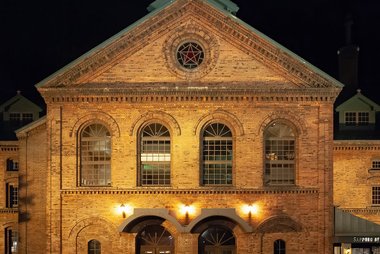
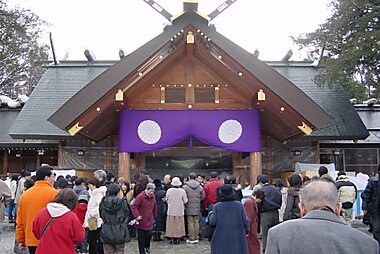
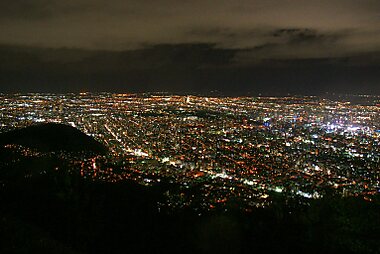
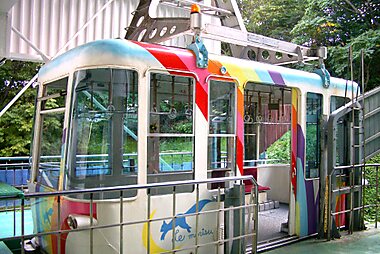
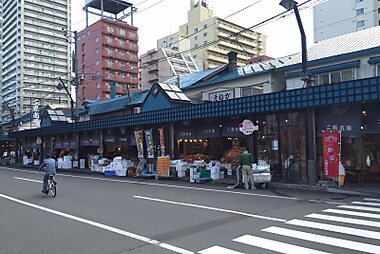
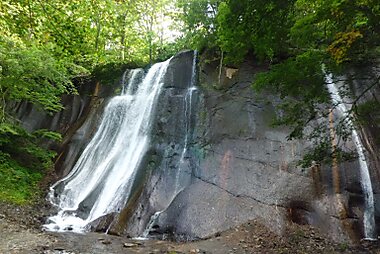
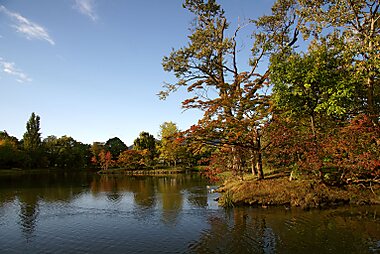
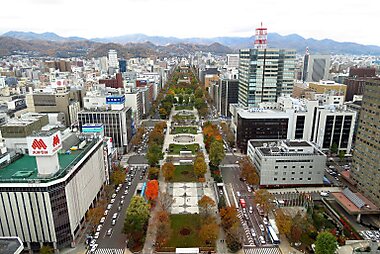
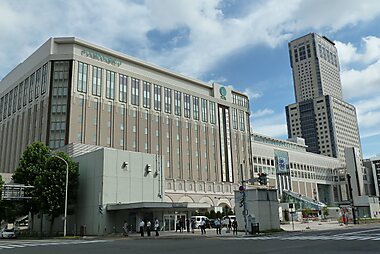
- Odori Park is a long green park in the middle of the city. It runs east to west and splits the grid into north and south. Most big events are held here.
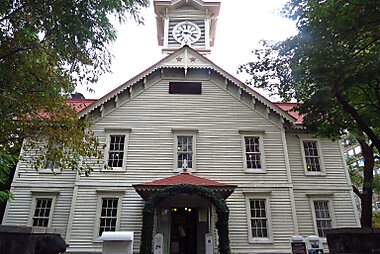
- Sapporo Clock Tower is a wooden building from 1878. It was first a drill hall for the Sapporo Agricultural College, and the clock was added in 1881. Today it is a small museum.
- Former Hokkaido Government Office Building is the red-brick former seat of the Hokkaido government. Entry is free. Flower gardens and a pond lie in front of it.
- Sapporo TV Tower stands at the east end of Odori Park. Its observation deck gives a view along the park and costs 1,200 yen.
- Sapporo Beer Museum is in a red-brick former sugar factory. It tells the story of Sapporo beer, which has been brewed here since 1876, and it ends with a paid tasting.
- Hokkaido Shrine is a Shinto shrine in the forest of Maruyama Park. It honours the Emperor Meiji and early explorers of Hokkaido.
- Mount Moiwa gives wide views of the city, especially after sunset. A ropeway and a mini cable car take you to the top.
- Moerenuma Park is a park designed by the artist Isamu Noguchi. It has hills, art and a glass pyramid, and entry is free.
Listes recommandées


Expériences à vivre
- Snow Festival: In early February, see giant snow sculptures in Odori Park and ice sculptures in Susukino. Both are lit in the evening.
- Munich Christmas Market and White Illumination: From late November to Christmas, Odori Park has a German-style market and winter lights.
- Summer beer garden: In summer, beer gardens open in Odori Park. Drink Sapporo beer outside under the trees.
- YOSAKOI Soran: In early June, dance teams perform in Odori Park and around the city.
- Night view from the mountain: Ride the Mt. Moiwa Ropeway at sunset and stay for the lights of the city.
- Winter outdoors: Takino Snow World at Takino Suzuran Hillside National Government Park offers winter activities. Mt. Moiwa also has a small ski resort.
Visites et activités
Sapporo — Carte

Excursions à la journée
Hokkaido has several good day trips. They are listed here from closest to farthest.
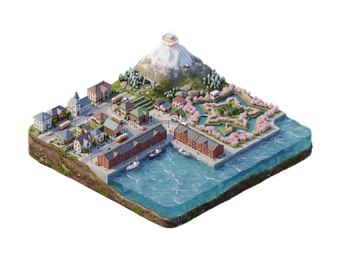
- Otaru: about 30 to 50 minutes by JR rapid train. Come for the canal, the hillside streets and fresh sushi.
- Jozankei Hot Springs: about 1 to 1.5 hours by bus from Sapporo Station. It is a hot spring town in a river valley, good for a bath and a walk.
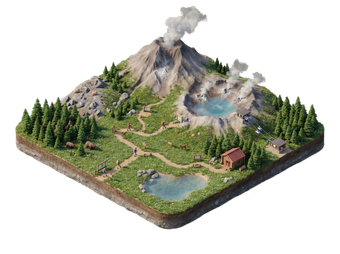
- Noboribetsu: about 1 to 1.5 hours by limited express train. It is the largest hot spring town in Hokkaido and has the steaming Jigokudani (Hell Valley).
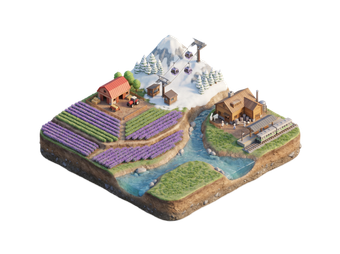
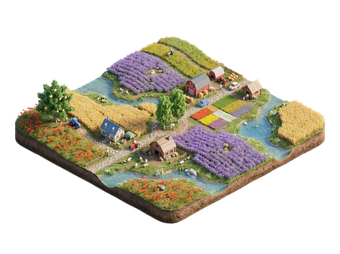
- Furano and Biei: about 2 to 3 hours each way by train. They are known for farms and lavender fields. Lavender is at its best in early to mid July. This is a long day, so consider staying a night.
Où s'aventurer
Other places in Hokkaido to add to a longer trip.
Near Sapporo
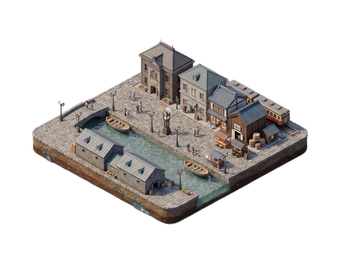
- Otaru is a harbour town with a canal and sushi.
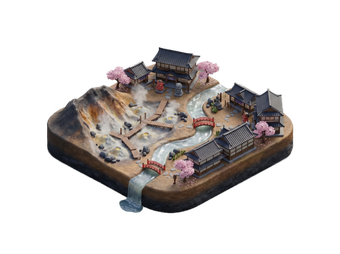
- Noboribetsu is a hot spring town with volcanic scenery.
Central Hokkaido
- Furano and Biei are farm towns with flower fields.
- Daisetsuzan is a large mountain national park for hiking.
Farther away
- Hakodate is a port city in the south.
- Shiretoko National Park, Kushiro and Obihiro are in eastern Hokkaido.
- Rishiri Island and Rebun Island are islands in the far north.
S'y rendre
- By air: Most visitors arrive at New Chitose Airport (CTS), about 50 km south of the city. Airport trains run to Sapporo Station in about 35 to 45 minutes, with up to six trains an hour during the day. A basic fare ticket is needed, and IC cards work. Flights from Tokyo take about 1 hour 40 minutes. Okadama Airport is closer to the centre but has only a few flights, mainly within Hokkaido. JR Hokkaido airport train
- By train: From Tokyo, the Shinkansen goes to Shin-Hakodate-Hokuto in about 4 hours. The Hokuto limited express then reaches Sapporo in about 3.5 hours. The full trip takes about 8 hours and costs about 30,000 yen. Seat reservations are required on the Shinkansen. From Hakodate, the same Hokuto express runs to Sapporo.
- By ferry: A ferry from Oarai near Tokyo to Tomakomai takes about 19 hours. Tomakomai is about 60 km south of Sapporo.
Se déplacer
- Subway: Three lines, Namboku, Tozai and Toho, all meet at Odori Station. The Namboku line serves Sapporo Station, Odori and Susukino. The Toho line serves Sapporo Dome.
- How to pay: Use a Kitaca or Suica IC card on the subway, streetcar and buses. A SAPICA card also works and gives points back, but only in the Sapporo area. Kitaca also works on JR trains around Sapporo, including to Otaru and the airport.
- Day passes: A subway 1-day card costs 830 yen. The Donichika ticket costs 520 yen and is valid on weekends, public holidays and 29 December to 3 January.
- Streetcar: One loop line serves the southwest of the centre, where there is no subway. It is the easiest way to reach the Mt. Moiwa ropeway.
- Buses: Hokkaido Chuo Bus, JR Hokkaido Bus and Jotetsu Bus run the main routes. The Loop 88 Factory Line bus links the Sapporo Station area with the Beer Museum and Sapporo Factory.
- On foot: The centre is flat and compact. In winter, the Sapporo Underground Pedestrian Space lets you walk between Sapporo Station and Odori without going outside.
Conduite
- Traffic drives on the left.
- Licence: Japan accepts only an International Driving Permit under the 1949 Geneva Convention, used with your home licence. A 1968 Vienna permit is not valid. Some countries need an official Japanese translation of the licence instead, available from JAF.
- Is a car worth it? Not for the city. The subway and trains are easier. A car helps for the wider Hokkaido countryside, such as Furano and Biei, in summer.
- Winter: Roads are snowy and icy. Allow extra time and check that your rental car has winter tyres. Drive in winter only if you are used to snow. Many visitors use trains and buses instead.
Gastronomie
Sapporo is the birthplace of miso ramen. Other local dishes are soup curry and jingisukan, a grilled lamb barbecue. Seafood is excellent, especially crab. Sapporo is also famous for its beer.
Where to eat:
- Ganso Ramen Yokocho (Original Ramen Alley) is a narrow lane of ramen shops in Susukino. It is a good place to try miso ramen.
- Nijo Market is a covered seafood market near Odori. Shops sell crab and salmon, and small eateries serve seafood bowls.
- Susukino has many bars and restaurants close together, so it is the easiest area for an evening meal.
- The Sapporo Beer Garden next to the Beer Museum serves draft beer and jingisukan.
Sécurité et santé
Sapporo is a safe city for visitors. Petty crime is uncommon, but keep an eye on your bag in crowded places such as festivals and Susukino at night.
- Winter: Pavements are icy. Wear boots with good grip and walk slowly.
- Bears: Brown bears live in the hills around Sapporo, and some have been seen in and near the city, including around Maruyama Park. Check for trail or park closures before you hike, and follow local notices.
Histoire
Sapporo is a young city. In 1869 the new Meiji government set up the Hokkaido Development Commission to open up the island. It chose the Ishikari Plain as its centre, and the city grew from a planned grid. Sapporo became a city in 1922.
- Sapporo Clock Tower dates from the early years. It was built in 1878 as a drill hall for the Sapporo Agricultural College.
- Hokkaido University grew from that college. The American teacher William S. Clark told students "Boys, be ambitious". His statue stands on Hitsujigaoka hill.
- Sapporo Beer Museum reflects the city's beer history. Sapporo Breweries was founded in 1876.
Sapporo hosted the Winter Olympics in 1972, the first held in Asia. The Snow Festival began in 1950 and now draws more than 2 million visitors.
Infos pays
Here are the essentials for travelling in Japan:
- Devise
- yen japonais JPY ¥ · Paiements par carte · Couramment acceptées
- Électricité
- 100 VType A / Type B
- Langues
- japonais
- Eau du robinet
- Potable
- Sens de conduite
- À gauche
- Indicatif téléphonique
- +81


Sapporo – Planifie tes journées
Transforme les lieux de ce guide en un véritable itinéraire, avec des itinéraires intelligents, des estimations de temps et tout ce dont tu as besoin pour un voyage parfait.


Destinations associées
Data: © OpenStreetMap contributors, Wikidata, Wikipedia, Tripomatic, Official websites, geoBoundaries (CC BY 4.0). Tours by GetYourGuide. We earn commission from bookings. Travel guide generated with AI.
Planifie ton voyage avec Tripomatic
- Planification avec l'IAObtiens une journée prête à l'emploi en un geste, laisse l'IA répartir ta liste de souhaits sur ton voyage ou planifie tout en discutant.
- Alertes de voyageAvis officiels, météo extrême, grèves et risques naturels pour les lieux de chaque jour de ton voyage.
- Jours fériés et événementsConsulte les jours fériés, festivals et fermetures durant ton voyage, ainsi que leur impact sur tes projets.
- Estimation des coûtsDétails des coûts de voyage générés par l'IA pour savoir quel budget prévoir avant de partir.
- Visites et billetsRéserve des visites, des billets coupe-file et des activités directement dans ton planning.