



Suisse
Switzerland is a small, mountainous country in the heart of Europe, known for the Alps, precise trains, and four national languages. It ranges from the glass towers of Zurich to car-free Alpine villages like Zermatt. The landscape and culture shift by region: German-speaking cities in the north and center, French-speaking cities such as Geneva and Lausanne in the west, and Italian-speaking Lugano in the south.
Switzerland suits hikers, skiers, and travelers who want an easy, well-organized trip. Landlocked in the center of the continent, it connects easily by train to neighboring countries, so it works well as part of a wider European trip.

Suisse – Tu prépares un voyage ?
Crée ton itinéraire jour par jour dans l'application Tripomatic.


Argent et paiements
Switzerland uses the Swiss franc, not the euro — it is one of the few countries in Western Europe outside the eurozone.
Contactless card and mobile payment work almost everywhere, including on buses and at parking meters. Carry some cash for small mountain huts, farm shops, and a few rural ticket machines that only take coins. ATMs are common in every town. Switzerland is one of the most expensive countries in Europe for food and lodging.
Listes recommandées


Visites et activités
Suisse — Carte

 Ouvrir la carte interactive
 Pourboires
Restaurant and bar prices have included service by law since 1974, so tipping is not expected the way it is in North America. Rounding up the bill or leaving small change for good service is a common, appreciated gesture, not a requirement. Taxi drivers and hotel porters appreciate the same kind of small rounding-up rather than a fixed percentage.
included by law; round up if you like
round up
round up
a couple of francs
a few francs
Électricité
Switzerland uses Type C and Type J plugs at 230 V / 50 Hz. Type J is unique to Switzerland and Liechtenstein: it fits ungrounded Type C Europlugs, but a German or French Type F "Schuko" plug is too wide for the recessed Swiss socket and needs an adapter.
Langue
Switzerland has four official languages: German, French, Italian, and Romansh. Which one is spoken depends on the region — German in the north, east, and center, French in the west, Italian in the south (Ticino), and Romansh only in parts of eastern Graubünden. English is widely understood in cities and tourist areas, less so in small villages and among older residents.
Rester connecté
Prepaid SIM and eSIM plans from Swisscom, Sunrise, or Salt are easy to buy at airports and phone shops. Mobile coverage is excellent even in high mountain valleys and ski areas.
Sécurité et urgences
Switzerland is one of the safest countries in Europe for tourists. The main risks are pickpocketing in crowded train stations and at tourist sites, and opportunistic theft from parked cars or unattended bags at mountain resorts. Mountain sports carry real risk: check conditions before hiking or skiing off marked routes, and hire a certified guide for glacier travel.
Santé
Tap water is safe to drink everywhere in Switzerland, including most public fountains in towns and cities (a sign reading "Kein Trinkwasser" / "eau non potable" marks the rare fountain that is not drinkable). Pharmacies ("Apotheke" / "pharmacie" / "farmacia") are well-stocked, and a rotating pharmacy stays open outside normal hours in most towns. No special vaccinations are required for entry.
Visas et formalités d'entrée
Switzerland is part of the Schengen Area, though not part of the European Union. Citizens of the EU/EFTA, the United States, the United Kingdom, Canada, Australia, and many other countries can enter for tourism without a visa for stays of up to 90 days within a 180-day period. Travelers from countries without a visa-waiver agreement need a Schengen visa, applied for through a Swiss embassy or consulate before travel.
Visa and entry requirements change frequently. Verify current requirements with the official immigration authority or your country's embassy before travel.
Savoir-vivre
Swiss culture values punctuality — arrive on time for trains, tours, and reservations. Greet shopkeepers with a simple "Grüezi" (German-speaking areas), "Bonjour" (French-speaking areas), or "Buongiorno" (Italian-speaking areas) when entering a small shop; walking in silently can come across as rude. Quiet hours matter, especially on Sundays, when loud activities like mowing the lawn or running a washing machine are frowned upon. Keeping public space clean and sorting recycling correctly are both taken seriously.
Jours fériés et horaires
Public holidays vary somewhat by canton, but the dates below apply nationwide. Many shops close on Sundays and on public holidays, and some smaller towns still keep a midday lunch break.
Se déplacer
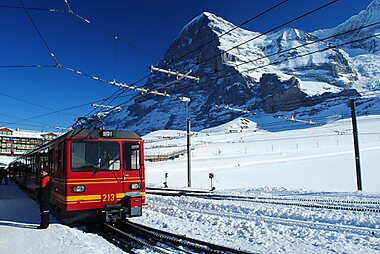
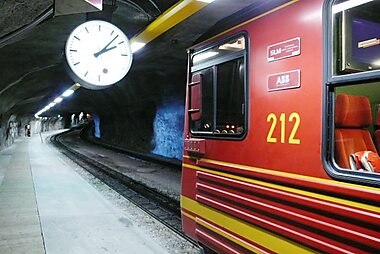
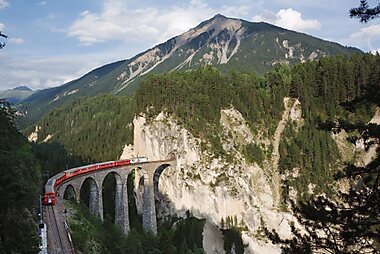
- By train: The network, run mainly by SBB/CFF/FFS, is fast, frequent, and famously punctual, reaching even small Alpine villages. A Swiss Travel Pass covers unlimited trains, buses, and boats for a set number of days; book tickets and check timetables at SBB.
- By boat: Scenic lake steamers connect towns on Lake Geneva, Lake Lucerne, and Lake Zurich — a relaxing alternative to the train for short hops.
- By bus: Yellow Postbuses, recognizable by their three-note horn, extend the rail network into mountain valleys and villages with no train station.
- By air: Domestic flights are rarely worth it. The country is small, and trains are usually faster city to city.
Conduite
- Vignette: All motorways and expressways require an annual vignette sticker (or e-vignette), sold at the border, gas stations, post offices, and online; it is not sold for shorter periods.
- Winter driving: Winter tyres are strongly recommended, though not legally mandatory, from November to April. Some high mountain passes close completely in winter.
- Parking: Blue zones require a paper parking disc showing arrival time; white zones are metered; many town centers have paid underground garages.
- Fuel: Stations are self-service. Pumps are labeled "Bleifrei" / "Sans plomb" / "Senza piombo" for petrol and "Diesel" for diesel; card payment at the pump is standard.
- Electric vehicles: Charging stations are common along motorways and in city parking garages, covering most of the country's driving routes.
Gastronomie
Swiss meals tend to follow a light breakfast, a proper hot lunch that is still the main meal of the day for many workers, and a lighter dinner. Cheese and potatoes anchor much of the classic cooking: fondue (melted cheese with bread), raclette (melted cheese scraped over potatoes and pickles), and rösti (a fried potato cake) are the dishes most associated with the country, alongside Zürcher Geschnetzeltes (veal in cream sauce) in the German-speaking regions.
Chocolate and pastries are a serious local specialty — look for meringues with double cream around Gruyère, or a slice of spiced Basler Läckerli. A mid-morning or afternoon coffee break is a normal part of the day. Restaurants range from simple mountain huts to formal dining rooms; markets and bakeries are cheaper, good options for a quick lunch.
Où s'aventurer
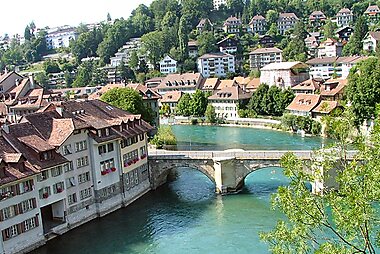
Switzerland's most-visited destinations cluster around its cities and lakes. Zurich is the country's largest city and financial center, with a compact old town on the river Limmat. The capital, Bern, has a UNESCO-listed medieval center built on a bend in the river Aare.
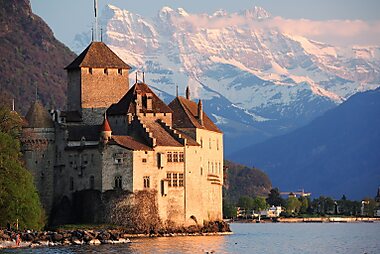
In French-speaking Switzerland, Geneva sits on Lake Geneva and hosts many international organizations, while Lausanne nearby is known for its Olympic heritage and hillside old town. Montreux, further along the lake, is known for its jazz festival and mild lakeside climate.
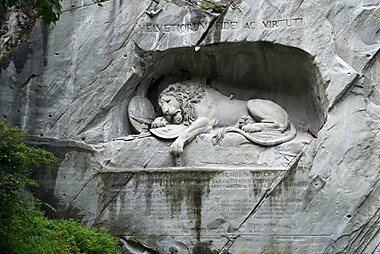
Lucerne, on Lake Lucerne, is a classic base for exploring the mountains of central Switzerland, and Basel in the north is known for its art museums and easy access to Germany and France. In the south, Italian-speaking Lugano sits on a lake ringed by palm trees.
For mountain scenery, Interlaken is the main gateway to the Jungfrau region, Zermatt is a car-free village beneath the Matterhorn, and St. Moritz is a high-Alpine resort town in the Engadin valley.
Suisse – Planifie ton voyage
Choisis les lieux que tu veux voir et Tripomatic les transforme en un itinéraire jour par jour, avec des itinéraires intelligents, des estimations de temps et tout ce dont tu as besoin pour un voyage parfait.




