


Syracuse
Syracuse was one of the greatest cities of the ancient Greek world, and its 2,700-year history is easy to see. Greek temples, a huge rock-cut theatre and Roman ruins sit next to Baroque churches and a lively seafront. The scientist Archimedes was born here.
The city has two halves. Ortigia is a small island of pale stone lanes, squares and sea views, where most visitors stay. The mainland holds the big archaeological park and the main museum. Two or three nights is enough to see both, eat well and swim from the rocks. Syracuse also makes a good base for the Baroque towns and nature reserves of south-eastern Sicily.

Syracuse – Tu prépares un voyage ?
Crée ton itinéraire jour par jour dans l'application Tripomatic.


Quand partir
Spring and autumn are the best seasons: warm, sunny and good for walking. Summer is hot and humid, but the sea is at its warmest, and swimming stays pleasant into October. Winter is mild and green, with some rainy days and few visitors.
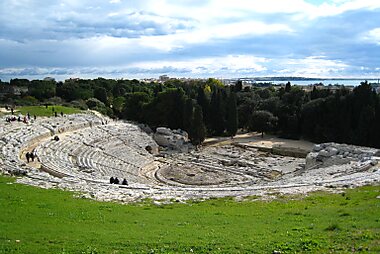
The biggest annual event is the season of classical plays in the Greek Theatre. Ancient Greek tragedies and comedies are staged at sunset in the 2,500-year-old theatre from spring to early summer. Book tickets early, as many nights sell out.
Meilleure période pour visiter: avril, mai, juin, juillet, septembre, octobre, novembre
Sites incontournables
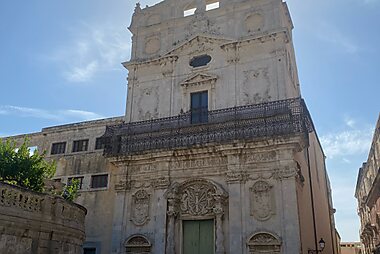
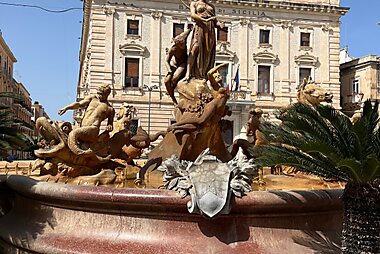

Ortigia is the historic heart of Syracuse and the best place to start. Walk its lanes and seafront, and allow time for the squares and churches.
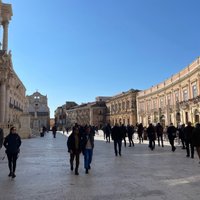
Cathedral of Syracuse is built around the Doric columns of a Greek temple from the 5th century BC. You can still see them inside and along the outer wall. It stands on Piazza Duomo, the most elegant square in the city.
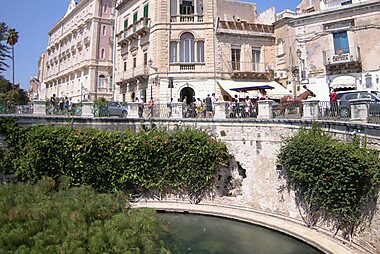
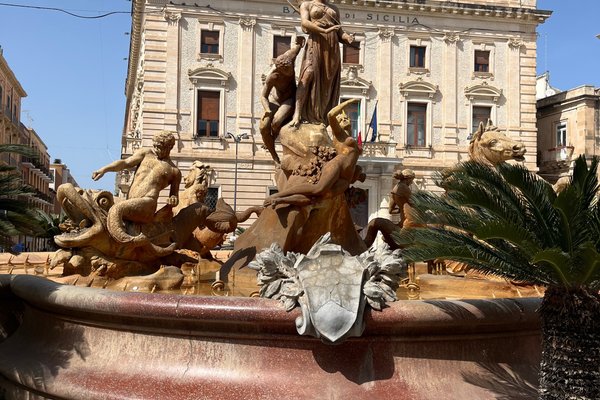
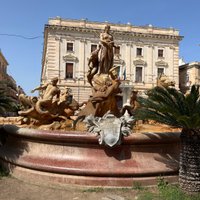
Fonte Aretusa is a freshwater spring right next to the sea, planted with papyrus. Greek myth says the nymph Arethusa became this spring.
Tempio di Apollo greets you as you cross onto Ortigia. Its 6th-century BC ruins are among the oldest Doric temple remains in Sicily.
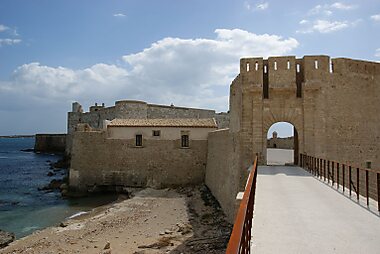
Castello Maniace guards the southern tip of the island. The emperor Frederick II built it in the 13th century, and its walls give wide views over the sea.
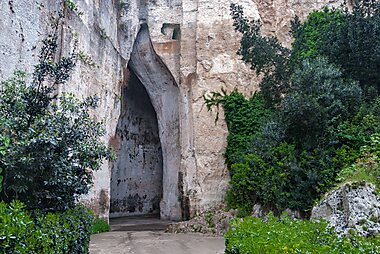
Neapolis Archaeological Park is the city's main archaeological area on the mainland. Inside are the Greek Theatre, the Anfiteatro romano di Siracusa and the Ear of Dionysius, a tall cave cut into an old quarry and famous for its echo. Go early in the day in summer, as there is little shade.
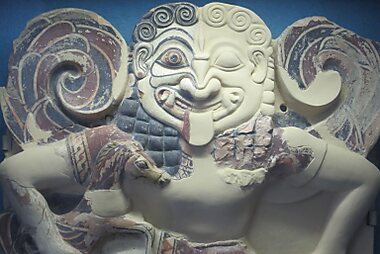
Paolo Orsi Archaeological Museum is one of the largest archaeological museums in Europe. It covers Sicily from prehistory to the early Christian period.
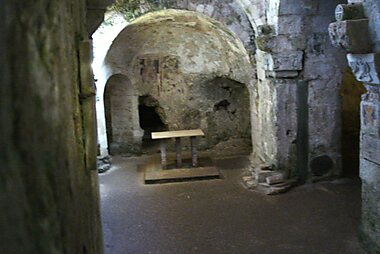
Catacombe di San Giovanni are a maze of early Christian burial tunnels under the church of San Giovanni. Visits are by guided tour.
Listes recommandées
Syracuse Unmissables
Syracuse's history spans more than 2,500 years, centred on the island of Ortigia and the Neapolis Archaeological Park. Ortigia holds the Baroque Cathedral built around a Greek temple, the Temple of Apollo, the Fountain of Arethusa and Castello Maniace. On the mainland, Neapolis brings together the Greek Theatre, the Roman Amphitheatre and the Ear of Dionysius, with the Paolo Orsi museum and the Catacombs of St John close by.
14 lieux
Historic Churches
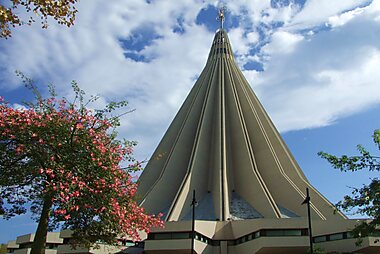
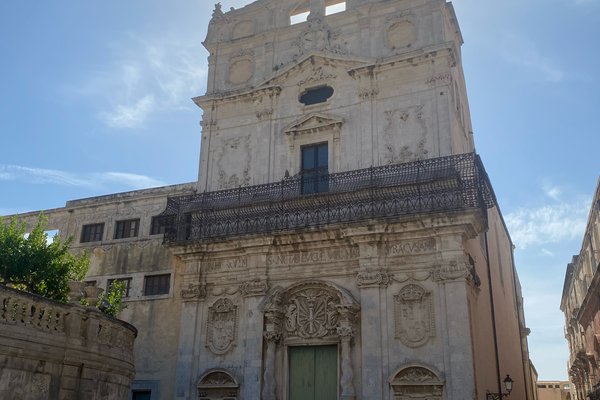
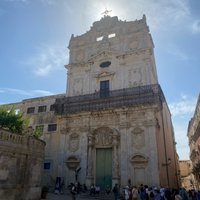
Syracuse's churches span from a cathedral built inside a Greek temple to the modern cone of the Madonna delle Lacrime sanctuary. In between are Norman churches, the shrine of Saint Lucy, the city's patron, and the Baroque churches of Ortigia.
11 lieux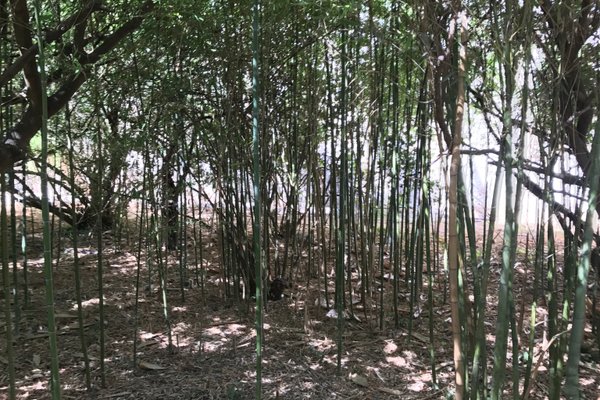
Coast, Caves and Springs
Beyond its monuments, Syracuse has limestone quarries turned into gardens, papyrus-lined springs and a rocky coast protected as a marine reserve. This list covers the natural side of the city, from the caves of Neapolis to the beaches and headlands south of Ortigia.
11 lieuxExpériences à vivre
Some of the best moments in Syracuse are about the sea and the city's living traditions.
- Swim from the rocks of Ortigia: in summer, wooden platforms are set up on the rocks along the eastern seafront. Locals swim there straight from the old town.
- Take a boat trip around Ortigia: small boats leave from the harbour for a tour of the island's walls and the sea caves to the south.
- See a traditional puppet show: the Teatro Dei Pupi performs Sicilian opera dei pupi, with knights in armour fighting in old legends.
- Join the Feast of Saint Lucy: on 13 December, the silver statue of the city's patron saint is carried in a large procession from the cathedral to the Basilica Santuario di Santa Lucia al Sepolcro.
- Watch the sunset on the seafront: the western promenade of Ortigia faces the big harbour, and locals stroll there every evening.
Visites et activités
Syracuse — Carte

 Ouvrir la carte interactive
Excursions à la journée
South-eastern Sicily is full of Baroque towns, beaches and ancient sites. Many are within an hour of Syracuse.
- Noto — about 30–35 minutes by train, or about 1 hour by bus. A small town rebuilt in golden stone after the 1693 earthquake, with a famous Baroque main street.
- Vendicari Nature Reserve — about 40 minutes by car. Lagoons with flamingos in season, sandy beaches and a coastal path south of Noto.
- Pantalica — about 1 hour by car. A wild limestone gorge lined with thousands of rock-cut tombs, shared with Syracuse on the UNESCO list. Wear good shoes.
- Modica and Ragusa — about 1–1.5 hours by car, longer by bus. Two hillside Baroque towns. Modica is known for its grainy chocolate, and Ragusa Ibla for its old quarter.
- Catania — about 1 hour 15 minutes by train or bus. A lively city of black lava stone with a famous fish market.
- Mount Etna — about 1.5–2 hours by car. Europe's most active volcano, with craters, lava fields and cable car rides. Most visitors join a tour.
Où s'aventurer
S'y rendre
- By air: Catania Fontanarossa Airport (CTA) is the gateway. Direct Interbus coaches run to Syracuse many times a day and take about 70 minutes. They stop on Corso Umberto, a 15-minute walk from Ortigia. Buy tickets before boarding, online or at the airport ticket office.
- By train: Regional trains link Syracuse with Catania in about 1 to 1.5 hours, and with Taormina and Messina further north. Some trains stop at the station near Catania airport. Siracusa station is about 20 minutes on foot from Ortigia. Trenitalia
- By bus: Regional coaches connect Syracuse with Catania, Noto and other towns in the south-east. They are often more frequent than trains.
Se déplacer
- On foot: Ortigia is small and best explored on foot. The Neapolis archaeological area and the main museum are about 2–3 km north, a 30–40 minute walk.
- Buses: SAIS Autolinee runs the city buses, which link the station, Ortigia and the Neapolis area. Buy tickets before you board, in the SAIS app, online or at a ticket office. SAIS Autolinee
- Free shuttles: Free shuttle buses link the main car parks with Ortigia.
- Taxi: There are taxi stands at the station and at Piazza Pancali at the entrance to Ortigia. A taxi is the easiest way to reach Neapolis in the summer heat.
- Cycling: The seafront and the flat streets around Ortigia are pleasant by bike. Traffic is heavier on the mainland.
Conduite
- Is a car worth it?: Not for the city itself. Ortigia is walkable and parking is limited. A car is useful for beaches, nature reserves and inland sites that buses serve poorly.
- Restrictions: Ortigia has a limited traffic zone (ZTL). Non-resident cars are not allowed in during set hours, and fines are sent to rental companies. Ask your hotel before you drive onto the island.
- Parking: Use the large Talete car park on the northern edge of Ortigia, or the car parks near the bridges. Street parking with blue lines is paid.
Gastronomie
Syracuse cooking is built on fish, citrus, almonds and the vegetables of the south-east. Look for pasta with anchovies and toasted breadcrumbs, fresh swordfish and raw red prawns. For breakfast or a hot afternoon, try granita with a soft brioche. Finish with cannoli or almond pastries. Local wines include Nero d'Avola and the sweet Moscato di Siracusa.
The best place to eat is Ortigia. The morning street market near the Tempio di Apollo sells fish, fruit and cheese, and its stalls make sandwiches to order. In the evening, the lanes of the old Jewish quarter and the streets around Piazza Duomo are full of small restaurants.
Sécurité et santé
Syracuse is a safe city for visitors. Normal care is enough: watch your bags in crowds, on buses and at busy evening spots in Ortigia.
In summer, the heat is the main risk. Carry water and avoid the open archaeological sites at midday. When swimming from rocks, use the ladders and platforms and take care on slippery stone. Pharmacies are easy to find.
Histoire
Greek settlers from Corinth founded Syracuse in the 8th century BC on Ortigia. The city grew rich and powerful, and its rulers built the Tempio di Apollo and the temple to Athena that is now part of the Cathedral of Syracuse. In 413 BC, Syracuse defeated a huge Athenian army, one of the great events of the ancient world. Thousands of prisoners were held in the city's stone quarries, like the one around the Ear of Dionysius.
The city's most famous son, Archimedes, designed war machines to defend it against Rome. He was killed when the Romans took Syracuse in 212 BC. The Romans left the Anfiteatro romano di Siracusa, and early Christians dug the Catacombe di San Giovanni. Byzantines, Arabs, Normans and Spanish rulers followed. The emperor Frederick II built Castello Maniace.
A major earthquake in 1693 destroyed much of south-eastern Sicily. Ortigia was rebuilt in the Baroque style you see today. In 1953, a small image of the Virgin Mary was said to weep, and the huge Madonna delle Lacrime Sanctuary was later built to house it. Since 2005, Syracuse and the necropolis of Pantalica have been a UNESCO World Heritage Site.
Infos pays
Quick practical facts for Italy at a glance:
- Devise
- euro EUR € · Paiements par carte · Largement acceptées
- Numéros d'urgence
- 112
- Électricité
- 230 V · 50 HzType C / Type F / Type L
- Langues
- italien
- Eau du robinet
- Potable
- Sens de conduite
- À droite
- Indicatif téléphonique
- +39
Syracuse – Planifie tes journées
Transforme les lieux de ce guide en un véritable itinéraire, avec des itinéraires intelligents, des estimations de temps et tout ce dont tu as besoin pour un voyage parfait.


Destinations associées


Data: © OpenStreetMap contributors, Wikidata, Wikipedia, Tripomatic, Official websites, geoBoundaries (CC BY 4.0). Tours by GetYourGuide. We earn commission from bookings. Travel guide generated with AI.
Planifie ton voyage avec Tripomatic
- Planification avec l'IAObtiens une journée prête à l'emploi en un geste, laisse l'IA répartir ta liste de souhaits sur ton voyage ou planifie tout en discutant.
- Alertes de voyageAvis officiels, météo extrême, grèves et risques naturels pour les lieux de chaque jour de ton voyage.
- Jours fériés et événementsConsulte les jours fériés, festivals et fermetures durant ton voyage, ainsi que leur impact sur tes projets.
- Estimation des coûtsDétails des coûts de voyage générés par l'IA pour savoir quel budget prévoir avant de partir.
- Visites et billetsRéserve des visites, des billets coupe-file et des activités directement dans ton planning.