


Kamakura
Kamakura is a coastal city about one hour south of Tokyo. It was the seat of the Kamakura shogunate from the late 12th century to 1333, and many Zen temples and shrines from that time remain in the wooded hills.
It suits a day trip from Tokyo or a stay of two or three nights. Temples, hill trails and the sea are close together, and most sights are on or near three train stations.

Kamakura – Stai pianificando un viaggio?
Costruisci il tuo itinerario giorno per giorno nell'app Tripomatic.


Quando andare
Spring and autumn are the most comfortable seasons. Summer is hot and very humid, and winter is cool. Rain falls on many days from March to November.
The main event to plan around is the hydrangea bloom in June and July. Hase-dera has a well-known hydrangea path. June is also in the rainy season, so bring a light rain jacket.
Periodo migliore per la visita: giugno
Attrazioni principali

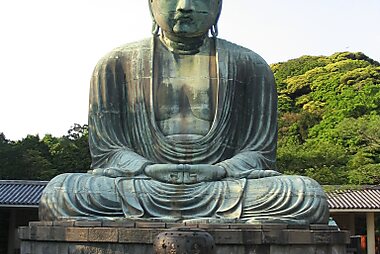

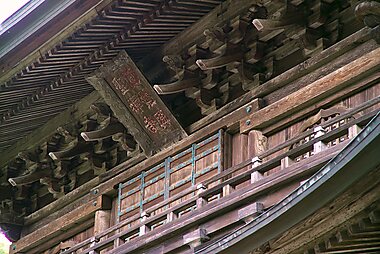
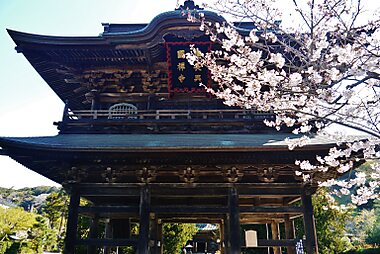
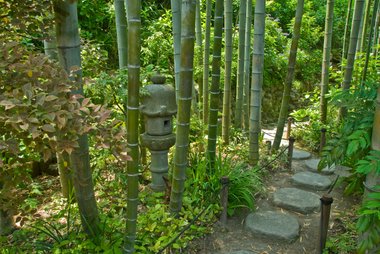
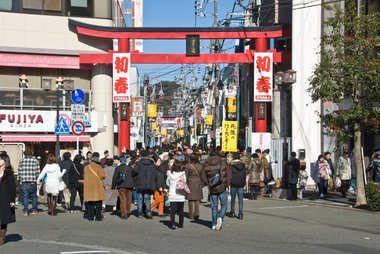
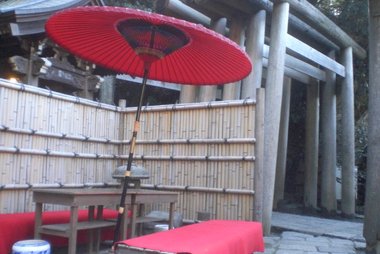
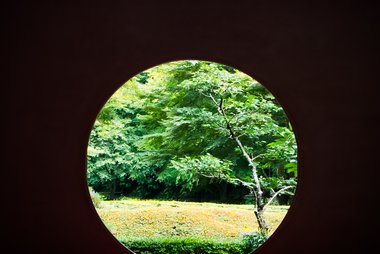
The sights fall into three areas: Kita-Kamakura, central Kamakura and Hase.
- Great Buddha of Kamakura is a bronze statue of Amida Buddha cast around 1252. It has stood in the open air since a tsunami destroyed its hall in 1498. Entry to the temple grounds is 300 yen, and 50 yen more lets you go inside the statue.
- Tsurugaoka Hachimangū Shrine is the most important Shinto shrine in Kamakura. It is the centre of the city's festivals.
- Komachi Dori is a pedestrian street with food and souvenir shops near the station. It is the easiest place to buy snacks.
- Kenchō-ji was completed in 1253 and is the oldest Zen training monastery in Japan. Its large gate and the pond garden behind the main hall are the main sights.
- Engaku-ji was founded in 1282 and is right beside Kita-Kamakura Station. Its Great Bell and its Shariden hall are National Treasures. Entry is 500 yen.
- Meigetsuin Temple is a Zen temple in Kita-Kamakura known as the Temple of Hydrangeas. It is known for its flowers in the rainy season.
- Hase-dera Temple is a hillside temple with a 9.18 m wooden statue of Kannon. It has a view over Yuigahama bay and a small cave with Benzaiten statues.
- Bamboo Garden is a paid bamboo grove at the Hōkoku-ji temple. A matcha tea set can be added to the ticket.
Elenchi in evidenza


Kamakura's Sacred Sites
Kamakura serves as the spiritual heart of Kanagawa Prefecture, housing some of Japan’s most significant Zen Buddhist temples and Shinto shrines. This collection features Kenchō-ji and Engaku-ji, the top-ranked of the city's Five Great Zen Temples, alongside the historic Tsurugaoka Hachimangū. Visitors can explore unique sites like Zeniarai Benzaiten, where tradition involves washing money for good fortune, and the ancient Amanawa Shinmei Shrine, dating back to 710. From the hillside views at Hase-dera to the secluded red torii gates of Sasuke Inari, these sites represent centuries of Japanese religious architecture and history.
10 luoghi
Kamakura Heritage Trail
This trail navigates Kamakura's architectural evolution, from the 13th-century Buddhist treasures at Hasedera to the Western-influenced villas of the Meiji and Taisho eras. Highlights include the 1907 Gokurakudo brick tunnel, the Gothic-style Kamakura Church built in 1926, and several manor houses that are registered Tangible Cultural Properties. The route connects literary museums, historic ryokans, and the Kamakura Museum of National Treasures, which houses essential artifacts from the city's period as Japan's political capital.
20 luoghiCosa provare
- Horseback archery: yabusame is held on the main approach to Tsurugaoka Hachimangū Shrine in mid-April and mid-September.
- Hydrangea path: walk the path at Hase-dera Temple in June and July, when the flowers bloom.
- Zazen: Engaku-ji holds open meditation sessions, mostly at weekends.
- Money washing: at Zeniarai Benzaiten, visitors wash coins and notes in a cave spring. Many believe the money will multiply.
- Enoden ride: take the small train along the coast from Kamakura to Enoshima, about 25 minutes.
- Hill walks: paths in the hills around the city link some temples.
Tour e attività
Kamakura — Mappa

Gite in giornata
Closest trips are listed first.
- Enoshima: a small island with a shrine, caves and a viewing tower. Take the Enoden from Kamakura Station, about 25 minutes. On clear days in autumn and winter you can see Mt Fuji from the tower.
- Yokohama: a large port city, about 30 minutes by JR from Kamakura.
- Hakone: a mountain area with hot springs and lake views. The trip takes about 2 hours each way with transfers, so an overnight stay works better.
Cosa esplorare
Come arrivare
- By air: Kamakura has no airport. Most visitors land at Tokyo Haneda or Narita and continue by train via Tokyo or Yokohama.
- From Tokyo by train: the JR Yokosuka Line runs direct from Tokyo Station to Kamakura in about 1 hour.
- From Shinjuku: the JR Shonan-Shinjuku Line takes about 1 hour. Only trains for Zushi run direct to Kamakura, so otherwise change at Ofuna.
- From Yokohama: about 30 minutes by JR.
- Information: timetables are on the JR East site.
Come muoversi
- Train: JR stops at Kita-Kamakura (Engaku-ji and the Kenchō-ji area) and at Kamakura (central sights). The Enoden line starts next to JR Kamakura Station.
- Enoden: a small coastal railway to Fujisawa. Hase Station is the third stop and is 5 to 10 minutes on foot from the Great Buddha and 5 minutes from Hase-dera. The line also stops at Enoshima.
- How to pay: IC cards such as Suica and PASMO work on the Enoden. The Noriorikun day pass costs 800 yen. See the Enoden site.
- Buses: city buses serve sights away from the stations. Traffic can delay them in busy seasons.
- On foot or by bicycle: the town is small enough to explore on foot or with a rental bicycle.
Guidare
- Is a car worth it?: no. Trains and the Enoden reach the main sights, and buses can be delayed by traffic in busy seasons.
- Driving side: traffic in Japan drives on the left.
- Licence: visitors need an International Driving Permit under the 1949 Geneva Convention. Some countries' licences instead need an official Japanese translation from JAF.
Cibo e bevande
The local specialty is shirasu, small whitebait from the Shonan coast. It is served on rice bowls and in set meals, especially around Enoshima.
For a quick meal or snacks, go to Komachi Dori, which is lined with restaurants, sweet shops and food shops. More restaurants cluster around the stations.
Sicurezza e salute
- Safety: Kamakura is a safe destination. Crime against visitors is low.
- Rain and trails: hill trails can be slippery after rain. Wear shoes with good grip.
- Sea and earthquakes: Kamakura is on the coast, and a tsunami destroyed the Great Buddha's hall in 1498. After an earthquake near the sea, move to high ground.
Storia
Minamoto no Yoritomo moved into Kamakura in 1180 and became shogun in 1192. After his death in 1199, the Hōjō family ruled as regents. The shogunate lasted until 1333, when Nitta Yoshisada attacked and entered the city by bypassing the cape at Inamuragasaki at low tide.
Zen temples from this period still stand. Kenchō-ji was completed in 1253 for the regent Hōjō Tokiyori. Engaku-ji was founded in 1282 at the request of Hōjō Tokimune after the Mongol invasions.
Great Buddha of Kamakura was cast around 1252. Its wooden hall was destroyed by storms and then washed away by a tsunami in 1498, so the statue now sits in the open.
Informazioni sul paese
Here are the essentials for traveling in Japan:
- Valuta
- yen giapponese JPY ¥ · Pagamenti con carta · Comunemente accettata
- Elettricità
- 100 VTipo A / Tipo B
- Lingue
- giapponese
- Acqua del rubinetto
- Potabile
- Senso di marcia
- A sinistra
- Prefisso telefonico
- +81


Kamakura – Pianifica le tue giornate
Trasforma i luoghi di questa guida in un vero itinerario, con percorsi intelligenti, stime dei tempi e tutto il necessario per un viaggio perfetto.


Destinazioni correlate



Data: © OpenStreetMap contributors, Wikidata, Wikipedia, Tripomatic, Official websites, geoBoundaries (CC BY 4.0). Tours by GetYourGuide. We earn commission from bookings. Travel guide generated with AI.
Pianifica il tuo viaggio con Tripomatic
- Pianificazione con IAOttieni una giornata pronta in un tocco, lascia che l'IA distribuisca la tua lista dei desideri lungo il viaggio o pianifica tutto chattando.
- Avvisi di viaggioAvvisi ufficiali, maltempo, scioperi e calamità naturali per i luoghi di ogni giorno del tuo viaggio.
- Giorni festivi ed eventiScopri giorni festivi, festival e chiusure nei giorni del tuo viaggio e cosa comportano per i tuoi programmi.
- Stima dei costiDettaglio dei costi di viaggio calcolato dall'IA per sapere quanto mettere a budget prima di partire.
- Tour e bigliettiPrenota tour, biglietti prioritari e attività direttamente all'interno del tuo piano.