


Yokohama
Yokohama is Japan's second-largest city, with about 3.7 million people. It sits on Tokyo Bay, roughly 30 minutes by train from central Tokyo. The port opened to foreign trade in 1859, and that history still shapes the city. You see it in the brick warehouses, the large Chinatown and the old foreign-residents' hillside district.
Most visitors stay near the waterfront. Minato Mirai is the modern harbour district with a Ferris wheel, museums and shopping. Chinatown, Yamashita Park and the Kannai area are a short walk away. Yokohama suits a day trip from Tokyo, or a calmer base for a few nights with easy trips to Kamakura and Hakone.

Yokohama – Stai pianificando un viaggio?
Costruisci il tuo itinerario giorno per giorno nell'app Tripomatic.


Quando andare
Spring and autumn are the best seasons. Late March to April brings cherry blossom, and October to November is mild and clear. June and July are the rainy season. August is hot and humid. Typhoons are most likely from August to October. Winter is cold but dry and often sunny.
Plan a trip around the Christmas market at the Yokohama Red Brick Warehouse. It runs from late November to 25 December, with lights over the harbour.
Periodo migliore per la visita: maggio, giugno
Attrazioni principali
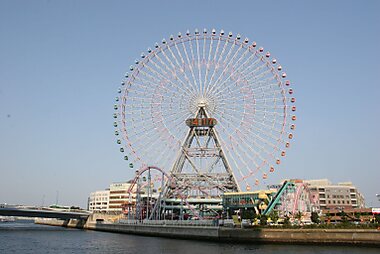
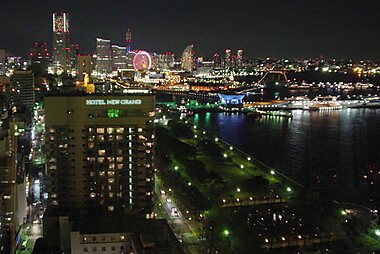
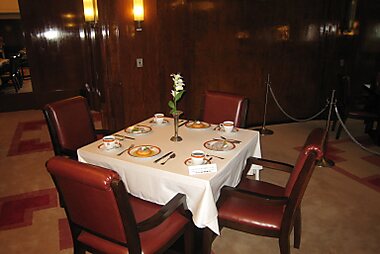
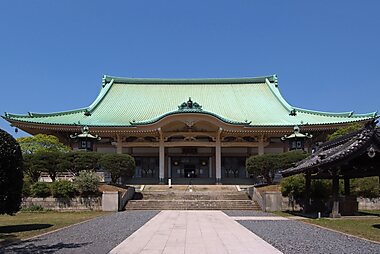
- Cosmo Clock 21 is the giant Ferris wheel and clock that defines the Minato Mirai skyline. It lights up after dark and is best seen from across the water.
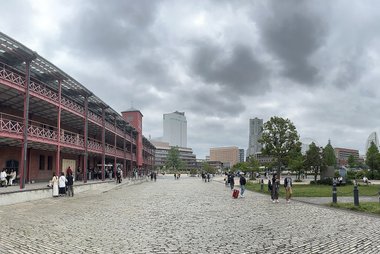
- The Yokohama Red Brick Warehouse is a pair of brick customs buildings from 1911 and 1913. Today they hold shops, restaurants and event space on the harbour.
- Yamashita Park is a long waterfront park with a rose garden. Berthed beside it is Hikawa Maru, an ocean liner from 1930 that sailed to Seattle and Vancouver.
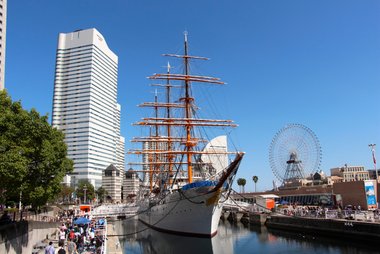
- Nippon Maru is a four-masted sailing ship from 1930 in the harbour. A combined ticket also covers the Yokohama Port Museum next door.
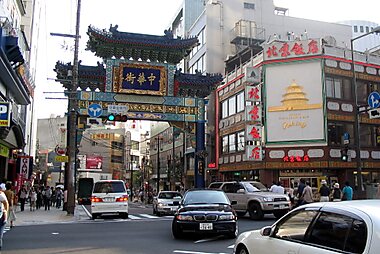
- Yokohama Chinatown is the largest Chinatown in Japan. Come hungry and walk the side streets, not only the main road.
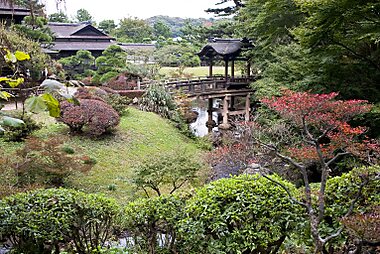
- Sankei-en is a large landscape garden built by the silk trader Hara Tomitaro. It holds old buildings moved from Kyoto and Wakayama, including a pagoda from 1457.
- Osanbashi Pier is the cruise-ship pier, shaped as a long wooden deck. It is a good free spot for harbour views and sunsets.
- Sojiji Temple in the north of the city is one of the two head temples of Soto Zen. It moved here in 1911 after a fire destroyed it in Noto.
Elenchi in evidenza


Cosa provare
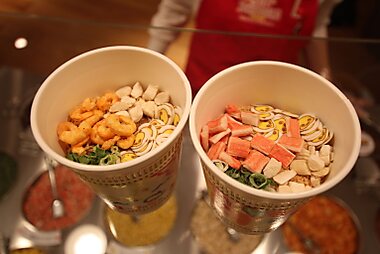
- Make your own Cup Noodles. At the CUPNOODLES MUSEUM you can design a cup and choose the flavours. The museum is closed on Tuesdays. Book the Chicken Ramen workshop ahead.
- Ride the Air Cabin at sunset. The gondola crosses the harbour in a few minutes and gives a view of the skyline and the bay.
- Watch a baseball game. The Yokohama DeNA BayStars play at Yokohama Stadium from spring to autumn. The crowd chants and sings through the match.
- Skate by the harbour. From December to February an outdoor ice rink opens at the Red Brick Warehouse.
- Take a Sea Bus. The short boat ride from Yokohama Station to Minato Mirai shows the city from the water.
- Try Oktoberfest. A beer festival runs at the Red Brick Warehouse every autumn.
Tour e attività
Yokohama — Mappa

Gite in giornata
Yokohama is a good base for day trips. Trains run often and times below are one way.
- Tokyo: about 30 minutes by JR or Tokyu train to central stations. Easy for a half day or a full day.
- Kamakura: about 25 minutes by JR train. A coastal town with the Great Buddha, Zen temples and hiking trails.
- Yokosuka: about 45 minutes by JR train. It has a naval port and the historic battleship Mikasa.
- Hakone: under 2 hours by train and local rail, with a change at Odawara. Hot springs, lake cruises and views of Mount Fuji on clear days.
Cosa esplorare
Come arrivare
- By air: Haneda Airport is the closest. The Keikyu line runs to Yokohama Station in 25 to 30 minutes for under ¥500. To reach Minato Mirai, change trains at Yokohama Station. Narita Airport is farther. The Narita Express goes direct to Yokohama Station in about 90 minutes, and all seats are reserved.
- By train from Tokyo: JR Tokaido and Yokosuka lines, the Keihin-Tohoku line and the Tokyu Toyoko line from Shibuya reach Yokohama Station in about 30 minutes. Shin-Yokohama, on the Tokaido Shinkansen, is about 15 minutes from Tokyo Station.
- By Shinkansen: Shin-Yokohama is about 1.5 hours from Nagoya and about 2 hours from Kyoto. Change to the Blue Line subway or the JR Yokohama Line to reach the centre, about 15 minutes.
- By bus: Airport limousine buses run to Yokohama City Air Terminal (YCAT). Use them when you have heavy luggage or arrive late.
- By sea: Cruise ships dock at Osanbashi Pier.
Come muoversi
- Trains and subway: JR, Keikyu, Tokyu and the Minatomirai Line cover the centre. The city's Blue Line and Green Line subway accept contactless credit and debit cards at all stations. Suica and PASMO IC cards work on trains, subways and buses.
- Buses: The Akai Kutsu loop bus links Sakuragicho, Minato Mirai, the Red Brick Warehouse, Chinatown and Yamashita Park. A single ride costs ¥220.
- Ropeway and boats: The Yokohama Air Cabin gondola runs from Sakuragicho Station to Unga Park, near Cosmo World. The ride takes about 5 minutes. Sea Bus boats connect Yokohama Station with Minato Mirai and the Red Brick Warehouse.
- On foot: Minato Mirai, Kannai, Chinatown and Yamashita Park are all within a 20 to 30 minute walk of each other. Sankei-en and Sojiji need a bus or train.
- Official transit: Yokohama Municipal Subway touch payment.
Guidare
- Is a car worth it? Not for a city stay. Trains and buses cover all main sights. A car helps only for trips to the hills or the Miura peninsula. Japan drives on the left.
- Parking: Paid car parks are common but costly in Minato Mirai and near Chinatown. Many hotels charge a nightly fee.
- Restrictions: Expressways in the Tokyo Bay area are tolled. Rental cars usually include an ETC card for automatic payment.
Cibo e bevande
Chinatown is the main place to eat. Look for steamed buns, dim sum and set lunches on the side streets, not only the main road. Many places have queues at midday, so go early or late.
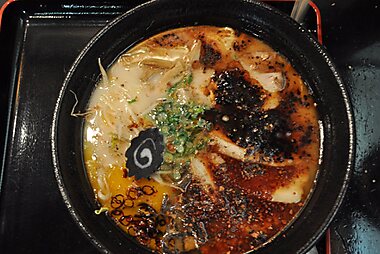
Yokohama is also known for iekei ramen. This style has a pork and soy broth and thick, straight noodles. For a fun ramen stop, the Shin-Yokohama Ramen Museum in Shin-Yokohama has small shops from around Japan. For evening drinks, try the izakaya streets in Noge near Sakuragicho, or the area around Motomachi.
Sicurezza e salute
Yokohama is very safe for visitors. Petty crime is rare. Lost items are often returned.
- Street touts in nightlife areas may lead you to overpriced bars. Say no and choose places that show prices.
- Earthquakes are common in Japan. Know your hotel's exit, and follow local alerts.
- Typhoons are most likely from August to October. Check the forecast before outdoor plans.
- Tap water is safe to drink.
- Summer heat and humidity can be intense. Drink water and rest indoors in the afternoon.
Storia
Yokohama was a small fishing village until 1853, when Commodore Perry's ships arrived nearby. In 1854 Japan signed a treaty with the United States. The port opened to foreign trade in 1859. Foreign merchants lived in Kannai and on the hill in Yamate. Chinese traders settled where Yokohama Chinatown is now.
In 1872 Japan's first railway linked Yokohama with Tokyo. In 1923 the Great Kanto earthquake destroyed much of the city. Yamashita Park was built on rubble from that disaster and opened in 1930. The Yokohama Red Brick Warehouse were built in 1911 and 1913 as customs buildings and reopened to the public in 2002.
Air raids in May 1945 destroyed large parts of the city. From 1983 the old shipyard land became Minato Mirai 21. Cosmo Clock 21 and the Yokohama Bay Bridge opened in 1989.
Informazioni sul paese
Here are the essentials for traveling in Japan:
- Valuta
- yen giapponese JPY ¥ · Pagamenti con carta · Comunemente accettata
- Elettricità
- 100 VTipo A / Tipo B
- Lingue
- giapponese
- Acqua del rubinetto
- Potabile
- Senso di marcia
- A sinistra
- Prefisso telefonico
- +81


Yokohama – Pianifica le tue giornate
Trasforma i luoghi di questa guida in un vero itinerario, con percorsi intelligenti, stime dei tempi e tutto il necessario per un viaggio perfetto.


Destinazioni correlate



Data: © OpenStreetMap contributors, Wikidata, Wikipedia, Tripomatic, Official websites, geoBoundaries (CC BY 4.0). Tours by GetYourGuide. We earn commission from bookings. Travel guide generated with AI.
Pianifica il tuo viaggio con Tripomatic
- Pianificazione con IAOttieni una giornata pronta in un tocco, lascia che l'IA distribuisca la tua lista dei desideri lungo il viaggio o pianifica tutto chattando.
- Avvisi di viaggioAvvisi ufficiali, maltempo, scioperi e calamità naturali per i luoghi di ogni giorno del tuo viaggio.
- Giorni festivi ed eventiScopri giorni festivi, festival e chiusure nei giorni del tuo viaggio e cosa comportano per i tuoi programmi.
- Stima dei costiDettaglio dei costi di viaggio calcolato dall'IA per sapere quanto mettere a budget prima di partire.
- Tour e bigliettiPrenota tour, biglietti prioritari e attività direttamente all'interno del tuo piano.