


Santiago de Cuba
Santiago de Cuba is Cuba's second-largest city and its most Caribbean one. It sits on a deep bay between the sea and the Sierra Maestra mountains, about 870 km southeast of Havana. Steep streets, colonial squares and a strong Afro-Cuban and Haitian heritage give it a different feel from the capital.
The city is the home of son, the music that later grew into salsa, and live music is part of every evening here. It is also called the cradle of the Revolution, and many key sites of Cuban history are within a short walk or drive. Santiago suits travellers who like history and music more than beaches, and who can handle heat, hills and the hardships of Cuba today. The independence hero Antonio Maceo was born here, and the musician Compay Segundo was born nearby.

Santiago de Cuba – Reis plannen?
Stel je dagelijkse reisroute samen in de Tripomatic-app.


Beste reistijd
The best time to visit is from December to April, when it is dry and slightly less hot. Santiago is one of the hottest cities in Cuba, and from May to October the heat is humid and heavy, with more rain. June to November is the Atlantic hurricane season, with the highest risk from August to October. In October 2025, Hurricane Melissa hit the province directly.
The biggest event is the carnival in July, the most famous in Cuba. Street parades of congas and comparsas fill the city in the second half of the month, around the feast of the city's patron saint on 25 July. In difficult years the carnival has been reduced or cancelled, so check before you plan your trip around it.
Beste reistijd: januari, februari
Topbezienswaardigheden
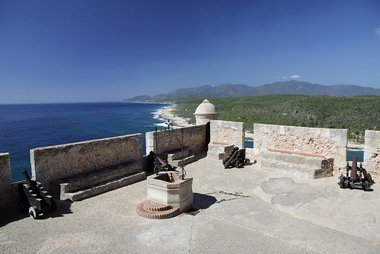


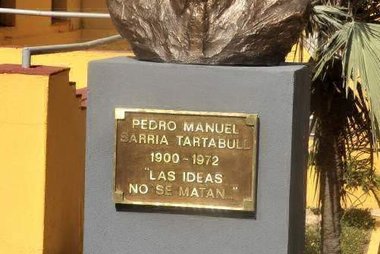

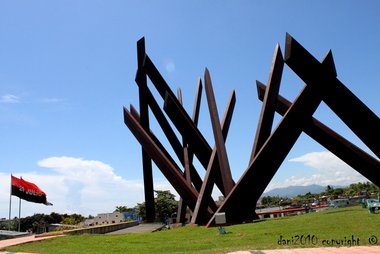

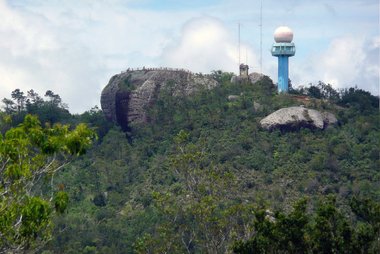
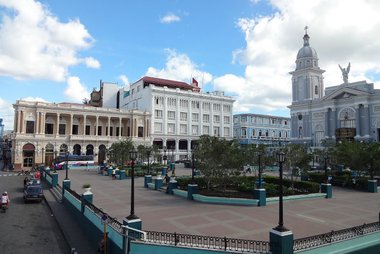

Santiago's main sights are in the hilly old centre around the cathedral, plus a few places a short taxi ride away.
- Castillo de San Pedro de la Roca (El Morro) is a 17th-century Spanish fortress on the cliffs at the entrance to the bay, about 10 km southwest of the centre. It is a UNESCO World Heritage Site, with a museum inside and wide views of the sea.
- Parque Céspedes is the heart of the city. Locals meet here in the evening, and the square is surrounded by the cathedral, the town hall and old colonial houses.
- Catedral Nuestra Señora de la Asunción stands on the south side of the square. The present building dates from 1810 and has a museum of religious art.
- Casa de Diego Velázquez on the same square dates from the early Spanish colony. Today it is a museum of colonial furniture and decoration.
- Santa Ifigenia is the resting place of José Martí, Carlos Manuel de Céspedes and Fidel Castro. Soldiers change the guard at Martí's mausoleum every 30 minutes.
- Museo Histórico 26 de Julio is in the former Moncada Barracks, which Fidel Castro and his rebels attacked on 26 July 1953. The museum reopened in 2024 after a full restoration.
- Plaza de la Revolución Antonio Maceo is a huge square with a bronze statue of Antonio Maceo on horseback, surrounded by giant steel machetes.
- Emilio Bacardi Moreau Museum, founded in 1899, is one of Cuba's oldest museums. It covers local history and art, from the Spanish conquest to the wars of independence.
Aanbevolen lijsten

Wat te beleven
Music and street life are the reason most people love Santiago.
- Live son and trova: spend an evening at Casa de la Trova on Calle Heredia, where traditional musicians play every night. It is small, so arrive early.
- Folk shows: Museo del Carnaval stages folk dance and drumming shows in its courtyard.
Tours en activiteiten
Santiago de Cuba — Kaart

 Interactieve kaart openen
Dagtochten
The coast and mountains around Santiago are easy to reach by taxi or a car with a driver. Public transport is rare, so agree a price for the whole day before you leave.
- Basílica Santuario Nacional de Nuestra Señora de la Caridad del Cobre (about 20 km west, 30 min by taxi): the national shrine of Cuba's patron saint, on a green hill above an old copper-mining village. Pilgrims leave gifts here, and the church was restored in 2026 after hurricane damage.
- Cayo Granma (ferry from Punta Gorda, below El Morro): a small island village of wooden fishing houses in the bay. You can walk around it in 15 minutes and eat fresh seafood. Ferries are irregular.
- Siboney beach (about 15 km east, 25 min by car): the closest beach to the city, popular with locals at weekends.
- La Gran Piedra (about 30 km east, 1 h by car): a giant rock high in the mountains. Climb several hundred steps for a view over the coast and the Sierra Maestra. Nearby, Cafetal francés La Isabelica is a 19th-century French coffee farm and part of a UNESCO World Heritage Site.
- Parque Nacional de Baconao (from 20 km east): a UNESCO biosphere reserve along the coast, with beaches, lagoons and the Valle de la Prehistoria park of life-size stone dinosaurs. Hurricane Melissa hit this coast in October 2025, so ask locally about road conditions before you go.
Plaatsen om te ontdekken
Santiago is the main base for exploring eastern Cuba. These destinations need at least one night:
- Bayamo is a calm colonial city about 2 hours away by car, where the Cuban national anthem was first sung.
- Baracoa, Cuba's first Spanish town, sits among rainforest and rivers at the eastern tip of the island. The trip takes at least 4 hours by road.
- Havana, the capital, is at the other end of the island, under 2 hours away by air when flights operate.
Bereikbaarheid
- By air: Antonio Maceo Airport (SCU) is south of the city, about 15 minutes from the centre by taxi; agree the price first and pay in cash. It mainly handles domestic flights from Havana. Cuba's international airports are without aviation fuel, and only Terminal 3 at Havana's José Martí Airport is operating. Many airlines, including all Canadian carriers, Air France and Iberia, have suspended flights to Cuba. Shortly before you travel, check that your flight is operating and which airport it uses.
- By bus: Viazul coaches have linked Santiago with Havana (around 15 hours), Bayamo and Baracoa. In 2026, fuel shortages cut intercity bus departures from Havana from 419 a day to 11, so do not rely on the bus. Check whether your route runs before you plan around it. The bus station is outside the centre.
- By train: a slow overnight train runs from Havana, but it is often many hours late or cancelled.
Vervoer ter plaatse
- On foot: the old centre is compact but very hilly, and the heat is strong. Walk in the morning and late afternoon.
- Taxis: official taxis and private cars wait around Parque Céspedes and the big hotels. They do not use meters, so agree the fare before you get in and pay in cash.
- Motorbike taxis: motorbike taxis are a common and cheap way to get around Santiago. They rarely have helmets, so use them only for short trips.
- Buses and trucks: local buses and passenger trucks (camiones) are crowded and irregular, and fuel shortages make them even less reliable. Most visitors do not use them.
Autorijden
- Is a car worth it?: not for the city. Streets are steep and narrow, and fuel is very hard to find. For trips to the coast and mountains, hire a taxi or a car with a driver for the day.
- Road conditions: many roads are in poor condition, and Hurricane Melissa hit the region in October 2025, so ask locally about conditions. Power cuts can switch off street lights and traffic lights. Avoid driving after dark.
- Parking: there are few car parks. Street attendants watch cars for a small tip. Never leave anything inside.
Eten en drinken
Food in eastern Cuba is simple and filling. Look for congrí, rice cooked with red beans, which is the local version of rice and beans, and roast pork. The best meals are in private restaurants called paladares, many in old family homes. Supplies are irregular, so the menu is often shorter than it looks. Pay in cash and tip around 10%.
Good places to look for food are the streets around Parque Céspedes and Calle Heredia in the old centre, and the quieter Vista Alegre district east of the centre. For a drink with a view of the square, the terrace bar of the old Hotel Casa Granda on the main square is a Santiago classic.
Veiligheid en gezondheid
The UK government currently advises against all but essential travel to Cuba. Check your own government's latest travel advice before you book.
Violent crime against tourists is rare, but daily life in Cuba is very hard in 2026. Hurricane Melissa hit the Santiago region in October 2025, and the province is still recovering.
- Power cuts: the national grid has collapsed several times, and long blackouts are common. They can affect water, transport, phones and medical care. Carry a torch and a power bank.
- Cash: international Visa and Mastercard cards do not work in Cuba, and ATMs will not take them. Bring enough US dollars or euros in cash for the whole trip, plus a reserve. Change money only at official CADECA exchange offices.
- Hustlers: street hustlers (jineteros) are persistent in Santiago. They offer guides, rooms, cigars or money exchange. Say no politely and keep walking.
- Theft: keep phones and bags close in crowds, especially during the carnival.
- Health: do not drink tap water. Dengue and chikungunya are present, so use mosquito repellent. Pharmacies often lack basic medicines, so bring what you need. Check the current entry rules before you travel.
Geschiedenis
Diego Velázquez founded Santiago in 1515, and it was the capital of Spanish Cuba until the late 16th century. His home on the main square, Casa de Diego Velázquez, is from this time. Pirates attacked the city several times, which is why the Spanish built the fortress of El Morro at the mouth of the bay.
In the early 1800s, thousands of French settlers fled the Haitian revolution and arrived in Santiago. They brought coffee farming and new music and dance, which still shape the city. In 1862, Facundo Bacardí started his famous rum company here.
Santiago is linked to almost every Cuban war. In 1898, US and Cuban forces defeated Spain at San Juan Hill, on the edge of the city. On 26 July 1953, Fidel Castro led the failed attack on the barracks that is now Museo Histórico 26 de Julio. On 1 January 1959, he announced the victory of the Revolution from the balcony of the town hall on Parque Céspedes. Since 2016, his ashes have rested in Santa Ifigenia.
Feiten over het land
Quick practical facts for Cuba at a glance:
- Valuta
- Cubaanse peso CUP · Betalen met kaart · Contant geld heeft de voorkeur
- Elektriciteit
- 110 V · 60 HzType A / Type B
- Talen
- Spaans
- Kraanwater
- Niet veilig om te drinken
- Rijrichting
- Rechts
- Landnummer
- +53


Santiago de Cuba – Plan je dagen
Zet de plaatsen uit deze gids om in een echte reisroute, met slimme routes, tijdsinschattingen en alles wat je nodig hebt voor een perfecte reis.


Gerelateerde bestemmingen


Data: © OpenStreetMap contributors, Wikidata, Wikipedia, Tripomatic, Official websites, geoBoundaries (CC BY 4.0). Tours by GetYourGuide. We earn commission from bookings. Travel guide generated with AI.