


Sète
Sète is a working port and seaside town on a small hill between the Mediterranean and the Étang de Thau lagoon. Canals run through the centre, fishing boats tie up along the quays, and the town has a strong local identity. It feels more like a real fishing town than a resort.
It suits a relaxed stay of two to three nights. Come for seafood, canal-side walks, local museums, city beaches and views from Mont Saint-Clair. The poet Paul Valéry and the singer Georges Brassens were both born here, and their legacy is part of the town.

Sète – Reis plannen?
Stel je dagelijkse reisroute samen in de Tripomatic-app.


Beste reistijd
Late spring and early autumn are the best times: warm days, calm crowds and a sea warm enough for a swim by early summer. July and August are hot, busy and full of events. Winter is mild but wet, and some seasonal services close.
The biggest annual event is the Saint-Louis festival in August. It lasts about a week and centres on the water jousting tournaments on the canal, with concerts, street bodegas and fireworks. Book your stay well ahead if you want to be here for it.
Beste reistijd: mei, juni, juli, augustus, september
Topbezienswaardigheden
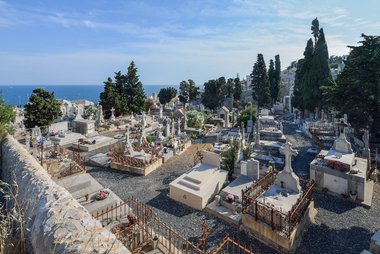
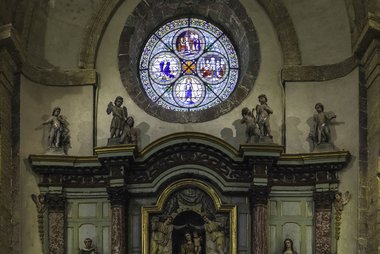
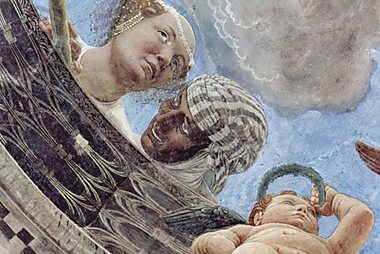
- Cimetière marin is the hillside cemetery above the sea where Paul Valéry is buried. His famous poem is named after it. The view over the Gulf of Lion is the main reason to go.
- Musée Paul Valéry stands next to the cemetery. It holds fine art, Valéry manuscripts and a collection about water jousting.
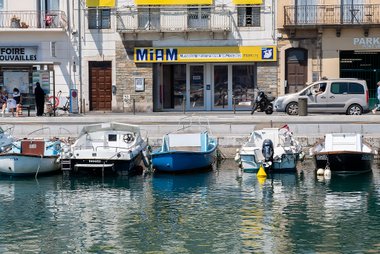
- Musée international des Arts modestes is known as MIAM. It shows colourful, playful art made from everyday and low-cost materials. It is one of the most original museums in the south of France.
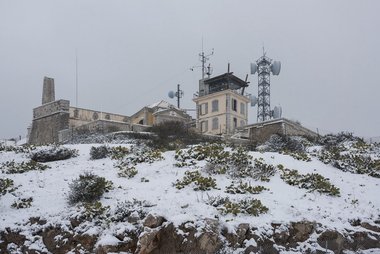
- Mont Saint-Clair is the hill behind the town. Walk or drive up to the viewpoints for views over the sea, the lagoon and the rooftops. See also Panoramique du Mont Saint-Clair.
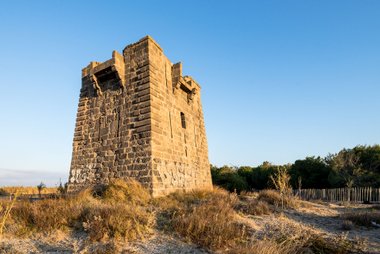
- Fort Richelieu is an 18th-century fort on the slope of the hill. It is open only on special days such as Heritage Days, but it is worth seeing from the outside.
- Église décanale Saint-Louis is the church of the old upper town, called the Haut Quartier. Its narrow streets are quiet and good for a walk.
- Port de la Pointe Courte is the old fishermen's quarter on the lagoon shore. The film director Agnès Varda made her first film here in 1955.
- Espace Georges Brassens is a small museum about Georges Brassens, the singer-songwriter who was born in Sète.
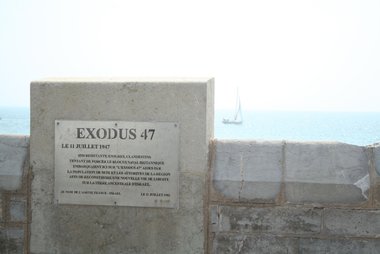
- Stèle Exodus 47 is a memorial near the port. It recalls the ship Exodus, which left Sète in July 1947 with Jewish refugees.
Aanbevolen lijsten

Wat te beleven
- Watch the water jousting. Two jousters on raised platforms try to push each other off boats into the canal. The big tournaments are during the Saint-Louis festival in August.
- Take a boat trip on the lagoon or ride the summer shuttle to Mèze.
- Walk or drive up to Mont Saint-Clair at sunset for views over the sea and the lagoon.
- Swim and relax at the city beaches such as Plage du Lido or Plage de la Corniche.
Tours en activiteiten
Sète — Kaart

 Interactieve kaart openen
Dagtochten
The Thau lagoon, wine villages and old towns are all close. The list goes from nearest to farthest.
- Montpellier: about 20 min by train. A large university city with a historic centre, museums and a lively food scene.
- Mèze and Bouzigues: about 25 min by car. Both are lagoon villages with oyster farms and seafood restaurants. In summer a boat shuttle runs between Sète and Mèze.
- Agde: about 25 min by car. An old town built of dark volcanic stone, on the Hérault river. Nearby Cap d'Agde has large beaches.
- Pézenas: about 40 min by car. A small town with fine old houses, craft shops and ties to the playwright Molière.
- Aigues-Mortes: about 1 hour by car. A walled medieval town beside salt marshes.
- Narbonne: about 45 min by train. Roman history, a large cathedral and a covered market.
- Nîmes: about 1 hour by train. Roman monuments, including a very well preserved arena.
Plaatsen om te ontdekken
For a bigger city, go to Montpellier or Nîmes. For beaches along the coast, try Cap d'Agde. Farther away are Carcassonne and the walled town of Uzès.
Bereikbaarheid
- By air: The nearest main airport is Montpellier–Méditerranée (MPL), about 30 km away. Travel into Montpellier, then take a train to Sète. Béziers Cap d'Agde airport (BZR) is smaller and has fewer flights.
- By train: Sète station is on the main line along the coast. Montpellier is about 20 min away. Direct trains also serve Marseille, Toulouse, Bordeaux and Paris.
- By ferry: Car ferries run between Sète and Morocco. The crossing takes about 1.5 to 2 days.
Vervoer ter plaatse
- Public transit: The local bus network has 24 routes around the Thau area. Line 8 is free and links the station with the town centre. A single ticket costs €1.30 if you tap a bank card or phone on the validator, and €1.60 if you pay the driver. A day ticket costs €6 on board or €5 in the app. Sète Agglopôle Mobilité
- On foot: The centre, the canals and the port are compact and easy to walk. The Mont Saint-Clair hill is steep.
- Cycling: A greenway links Sète with Marseillan, and cycle paths run around the Thau lagoon.
Autorijden
- Is a car worth it? Not for the town itself. A car helps for the lagoon villages, wineries and Pézenas.
- Parking: Central streets are narrow and parking is limited, especially in August. Leave the car at the edge of the centre and walk.
Eten en drinken
Sète is a seafood town. Look for tielle, a small spicy pie filled with octopus and tomato. Also try bourride fish stew, macaronade and oysters and mussels from the nearby Thau lagoon. Local white wine from the Picpoul de Pinet area goes well with shellfish.
The best places to eat cluster in two areas. The quays along the canals are lined with fish restaurants. The covered market, Les Halles, is the place for local produce, cheese and seafood snacks.
Veiligheid en gezondheid
Sète is generally safe. Petty theft such as bag snatching and car break-ins can happen in summer crowds. Do not leave valuables in a parked car.
Wind and waves can be strong on the open beaches. Check the flag colours before you swim.
Geschiedenis
The port of Sète was founded in 1666 under King Louis XIV. It was built as the Mediterranean end of the Canal du Midi, and the canal link made it an important trading town. The port created the trade in wine and fish that still shapes the town.
The sea defences are still visible. Fort Richelieu was built in the 1740s to protect the coast, and Phare Saint-Louis stands at the end of the harbour mole.
In July 1947 the ship Exodus left from the port, which is now remembered by Stèle Exodus 47.
Feiten over het land
Quick practical facts for France at a glance:
- Valuta
- Euro EUR € · Betalen met kaart · Algemeen geaccepteerd
- Noodnummers
- 112
- Elektriciteit
- 230 V · 50 HzType C / Type E
- Talen
- Frans
- Kraanwater
- Veilig om te drinken
- Rijrichting
- Rechts
- Landnummer
- +33

Sète – Plan je dagen
Zet de plaatsen uit deze gids om in een echte reisroute, met slimme routes, tijdsinschattingen en alles wat je nodig hebt voor een perfecte reis.


Gerelateerde bestemmingen
Data: © OpenStreetMap contributors, Wikidata, Wikipedia, Tripomatic, Official websites. Tours by GetYourGuide. We earn commission from bookings. Travel guide generated with AI.
Plan je reis met Tripomatic
- Plannen met AIKrijg met één tik een kant-en-klare dag, laat AI je verlanglijst over je reis verdelen of plan alles via de chat.
- ReiswaarschuwingenOfficiële reisadviezen, noodweer, stakingen en natuurrampen voor de plaatsen op elke dag van je reis.
- Feestdagen en evenementenBekijk feestdagen, festivals en sluitingen op de dagen van je reis en wat ze betekenen voor je plannen.
- KostenramingDoor AI berekende reiskostenoverzichten, zodat je vooraf weet welk budget je nodig hebt.
- Tours en ticketsBoek tours, skip-the-line tickets en activiteiten direct in je reisplan.