



Bilbao
Bilbao is the largest city in the Basque Country. It sits on the Nervión river, about 16 km from the Bay of Biscay. The city grew rich on iron, steel and shipbuilding. Since the 1990s it has changed into a city of museums, riverside parks and modern bridges.
It suits a long weekend. The old town, the river walks and the main museums are close together. Food is a big part of the visit, from pintxo bars to the central market. Hills and green parks are never far away.

Bilbao – planujesz wycieczkę?
Stwórz swój plan podróży dzień po dniu w aplikacji Tripomatic.


Kiedy jechać
Bilbao has mild weather and rain in every season. Late spring to early autumn is the best time, with warm days and less rain. November is the wettest month. Winter is mild but grey and wet, so bring a rain jacket.
The biggest event is Aste Nagusia, the Big Week festival. It lasts nine days in August, with concerts, fireworks and street events across the city.
Najlepszy czas na wizytę: czerwiec, lipiec, sierpień, wrzesień
Główne zabytki

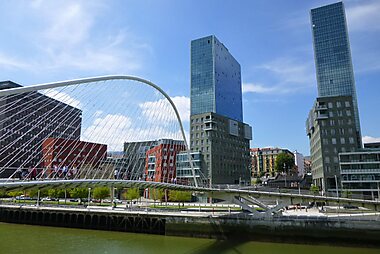
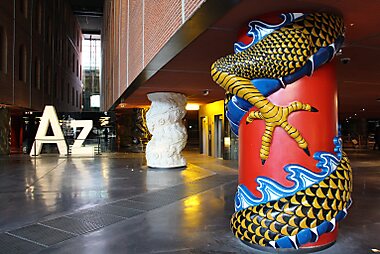
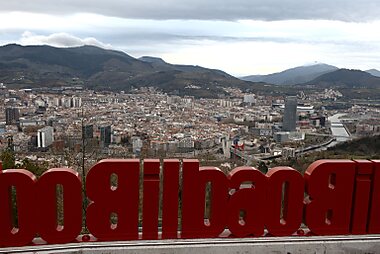
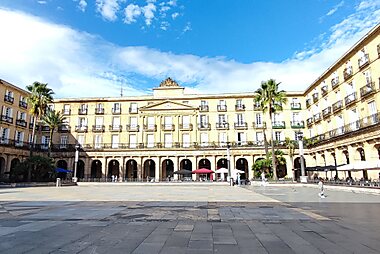
- Guggenheim Museum Bilbao is the reason many people come. Frank Gehry designed it, and it opened in 1997. The curved titanium walls are as interesting as the art inside, and the building changed the image of the city.
- Zubizuri is a white footbridge across the river near the Guggenheim. It was designed by Santiago Calatrava. The glass-brick deck can be slippery when wet.
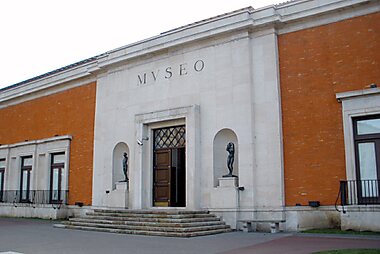
- Bilbao Fine Arts Museum stands in a park next to the city centre. It holds Spanish masters such as El Greco and Goya, and works by Basque artists.
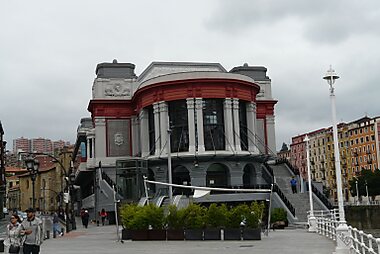
- Azkuna Zentroa was a wine warehouse built in 1909. Philippe Starck redesigned it as a culture centre, and it reopened in 2010. It has a cinema, a library and exhibition spaces.
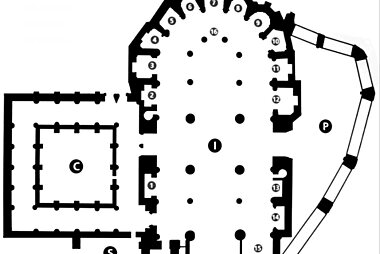
- St. James' Cathedral is the main church of the old town. Most of it is from the 14th and 15th centuries, and the tower and front are from the 19th century. It is a stop on the northern Camino de Santiago.
- Erriberako Merkatua is the city's covered food market, open since 1929. More than 60 traders sell fish, meat, cheese and local produce.
- Plaza Nueva is a neoclassical square with arcades. Old taverns and restaurants sit under the arches.
- Parque Mirador de Artxanda is a hilltop park with views over the city. A funicular goes up from the centre.
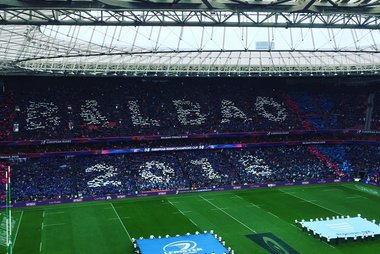
- San Mamés is the home of Athletic Club, the football club. The club signs only players with a Basque connection. The current stadium opened in 2013.
Polecane zestawienia


Czego warto doświadczyć
- Ride the Artxanda funicular up to the park for a view over the city and the river.
- Cross the river on the Vizcaya Bridge gondola between Portugalete and Getxo.
- Browse the Sunday flea market in Plaza Nueva, with old books, coins, stamps and flowers.
- Join the crowds at Aste Nagusia in August, the nine-day city festival.
- Watch an Athletic Club match at San Mamés, if you can get a ticket.
Wycieczki i aktywności
Bilbao — Mapa

 Otwórz interaktywną mapę
Wycieczki jednodniowe
The towns below are good for a day out and back.
- Gernika: about 50 minutes by train from the Zazpikaleak/Casco Viejo station, or 45 to 55 minutes by Bizkaibus. The town was bombed on 26 April 1937 during the Spanish Civil War. Visit the Assembly House and the Oak of Gernika, symbols of Basque self-government.
- Getxo and the Vizcaya Bridge: Getxo is about 14 km north of Bilbao and has a metro stop. The Vizcaya Bridge, built in 1893, links Getxo with Portugalete. It is the world's oldest transporter bridge still in use and a UNESCO World Heritage Site since 2006. A gondola crosses the river in about a minute and a half.
- Bermeo and San Juan de Gaztelugatxe: about 35 to 45 minutes by car. The islet has a hermitage, reached by a long stone stairway of 241 steps. It was a filming location for Game of Thrones. Check the official site for access rules before you go.
- Vitoria-Gasteiz: about 1 hour by bus or 45 minutes by car. It is the capital of the Basque Country and has a medieval old town.
- San Sebastián: a coastal city known for its food. Buses run from Bilbao and take about 1 hour 10 minutes to 1 hour 30 minutes.
- Rioja Alavesa: a wine region south of the mountains, with Laguardia as its main town. Laguardia is about 1 hour 15 minutes by car. A car or a guided tour is the easiest way to visit.
Gdzie warto się udać
Nearby destinations in the Basque Country:
- Vitoria-Gasteiz is the regional capital, inland to the south-east.
- Gipuzkoa is the neighbouring province to the east. It includes San Sebastián and the Basque coast.
Jak dotrzeć
- By air: Bilbao Airport is about 9 km north of the centre, in Loiu. The Calatrava-designed terminal handles flights from many European cities and from Madrid and Barcelona. Bizkaibus line A3247 runs to Plaza Elíptica and the bus station in about 15 minutes. Buses run every 15 minutes, or every 12 minutes in July and August.
- By train: Renfe Alvia trains from Bilbao-Abando go to Madrid and Barcelona. Euskotren trains from Zazpikaleak/Casco Viejo go to San Sebastián.
- By bus: ALSA buses connect Bilbao with San Sebastián in about 1 hour 10 minutes to 1 hour 30 minutes. Long-distance and regional Bizkaibus services use the Intermodal Station.
Poruszanie się na miejscu
- Metro: Three lines, designed by Norman Foster, with the first line opened in 1995. Zazpikaleak/Casco Viejo is the main hub where all lines meet. The system is closed, so you validate your ticket when you enter and when you leave. Trains run all night on Saturdays and Sundays. A Barik card is the easiest way to pay.
- Tram: A single line runs from Bolueta through Atxuri to La Casilla and passes the Guggenheim. Buy a ticket at the stop machine and validate it before boarding.
- Bus: Bilbobus uses the Barik card or a single paper or QR ticket of 1.70 EUR. Night buses run on Friday and Saturday nights and accept only the Barik card.
- Funicular: The Artxanda funicular, open since 1915, takes about 3 minutes to reach the hilltop. It runs every 15 minutes.
- On foot: The centre is compact and the river walks are flat. Many main sights are close together.
Jedzenie i napoje
Pintxos are small snacks on bread, held with a toothpick. They are ordered and paid for separately from drinks. Many bars count the toothpicks to work out the bill. A small glass of txakoli, a young white wine, or a beer usually goes with them.
For pintxos, walk the old town streets around Plaza Nueva and its arcades, where some of the oldest taverns are. For fresh local produce, visit Erriberako Merkatua.
Bezpieczeństwo i zdrowie
Pickpocketing and bag theft can happen in crowds and at festivals. Keep bags and phones close. Tap water is safe to drink. The European emergency number is 112.
Historia
Bilbao was founded on 15 June 1300 by Diego López de Haro, Lord of Biscay. The original old town had three streets: Somera, Artecalle and Tendería. Four more were added in the 15th century, and together they are known as the Seven Streets.
The Camino de Santiago pilgrims passed through the city, and St. James' Cathedral is dedicated to Saint James for this reason.
In the 19th century, iron mining, steelmaking and shipbuilding made Bilbao one of Spain's most industrial cities. The industry fell into crisis in the 1980s. The city then rebuilt itself with new projects, starting with Guggenheim Museum Bilbao in 1997 and the Foster-designed metro in 1995. The old wine warehouse that is now Azkuna Zentroa shows how old buildings were given new uses.
Informacje o kraju
Quick practical facts for Spain at a glance:
- Waluta
- euro EUR € · Płatności kartą · Powszechnie akceptowane
- Numery alarmowe
- 112
- Elektryczność
- 230 V · 50 HzTyp C / Typ F
- Języki
- hiszpański
- Woda z kranu
- Zdatna do picia
- Ruch drogowy
- Prawostronny
- Numer kierunkowy
- +34


Bilbao – zaplanuj swoje dni
Zmień miejsca z tego przewodnika w prawdziwy plan podróży z inteligentnym wyznaczaniem tras, szacowanym czasem i wszystkim, czego potrzebujesz na udaną wycieczkę.


Powiązane cele podróży
Inne cele podróży
Data: © OpenStreetMap contributors, Wikidata, Wikipedia, Tripomatic, Official websites, geoBoundaries (CC BY 4.0). Tours by GetYourGuide. We earn commission from bookings. Travel guide generated with AI.