



Marbella
Marbella is the best-known resort on Spain's Costa del Sol. It has a small whitewashed old town, a long coast with sandy beaches and a luxury marina at Puerto Banús.
The resort is popular for beach holidays, golf and nightlife. Summers are busy, and the mountains behind the coast give a green backdrop.

Marbella – planujesz wycieczkę?
Stwórz swój plan podróży dzień po dniu w aplikacji Tripomatic.


Kiedy jechać
May, June and September are the best months, with warm days and a good chance of swimming. July and August are hot and busy. Winters are mild, with the most rain from November to March.
A local event to know is the Feria de San Bernabé in June, with a fair, music and parades.
Najlepszy czas na wizytę: kwiecień, maj, czerwiec, lipiec, sierpień, wrzesień, październik, listopad
Główne zabytki
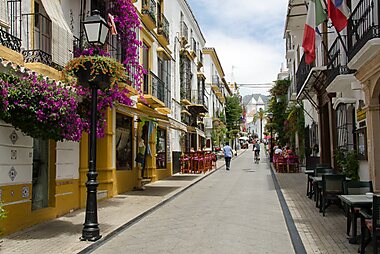
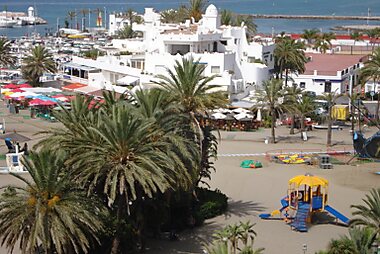
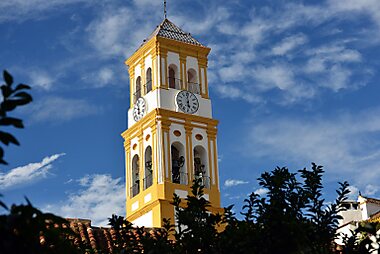
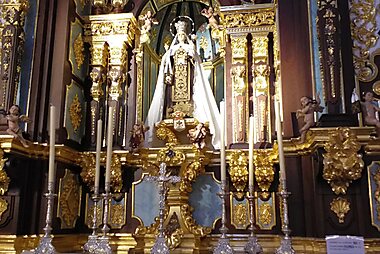
- Casco Antiguo de Marbella is a maze of white lanes, flower pots and small squares. The Plaza de los Naranjos, with its orange trees, is the heart of the old town.
- Capilla de Santiago is a small chapel from the 15th century, one of the oldest buildings in the town.
- Parroquia Nuestra Señora de La Encarnación is the main church of the old town, built in the 17th century.
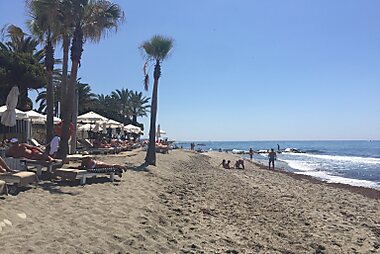
- Playa de Venus and Playa de Casablanca are the city's main central beaches. They are a short walk from the old town.
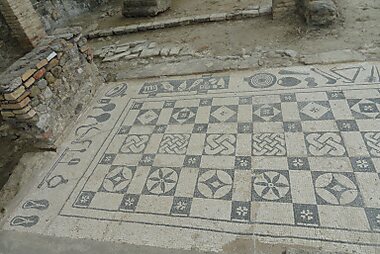
- Villa romana de Río Verde is a Roman villa with mosaics, near the coast west of the center.
- Puerto Banús is a marina west of Marbella, known for yachts, shops and nightlife.
Polecane zestawienia


Marbella Parks and Gardens
Marbella’s green spaces range from historical city center parks to high-altitude viewpoints in the Sierra Blanca mountains. The Alameda Park features 18th-century ceramic benches, while the Cortijo Miraflores houses an old oil mill and botanical collections. For coastal panoramas, the Mirador la Concha and Cantera de la Legua offer vantage points over the Mediterranean. These sites showcase native Mediterranean flora and the region's transition from urban landscaping to rugged mountain terrain.
7 miejscCzego warto doświadczyć
- Eat grilled sardines on a skewer (espeto) at a beach bar in the evening.
- Walk the seafront promenade from the old town to the beaches at the end of the day.
Wycieczki i aktywności
Marbella — Mapa

Wycieczki jednodniowe
- Mijas (about 25 km, 30 minutes by car or bus): a white village on a hillside above the coast.
- Málaga (about 60 km, 45 minutes by bus or car): a large city with a historic center and museums.
- Ronda (about 60 km, 1 hour 15 minutes by car): a town above a deep gorge. The road is winding.
- Gibraltar (about 75 km, 1 hour by car): a British territory. Cross the border at La Línea de la Concepción and bring your passport.
Gdzie warto się udać
Other places in Andalusia:
- Mountains: Ronda for views and history.
- Coast: Algeciras and La Línea de la Concepción for the south coast and Gibraltar.
- Inland: Antequera for old churches and dolmens.
Jak dotrzeć
- By air: Málaga airport (AGP) is about 50 km east. Buses and taxis reach Marbella in about 45 to 60 minutes.
- By bus: Frequent buses run along the coast from Málaga and other towns. The Marbella bus station is north of the old town.
- By train: There is no train to Marbella. The closest trains run from Málaga to Fuengirola.
Poruszanie się na miejscu
- On foot: The old town and the central beaches are within walking distance. The coast is long, so other areas need transport.
- Bus and taxi: Local buses link Marbella with Puerto Banús and nearby towns. Taxis are common.
- Cycling: The seafront promenade is flat and good for walking and cycling.
Prowadzenie samochodu
- Is a car worth it?: A car helps for villages and the mountains. In the old town, you do not need one.
- Parking: Use an underground car park near the old town.
- Restrictions: The old town center is pedestrian. The coast motorway, AP-7, is a toll road.
Jedzenie i napoje
The coast is known for fresh fish and for espeto de sardinas, sardines grilled over wood on the beach. Pescaíto frito, a mix of fried small fish, is also common. Cold soups such as gazpacho are served in summer.
Eat at the beach bars along the seafront or in the lanes around the Plaza de los Naranjos.
Bezpieczeństwo i zdrowie
Marbella is generally safe. In summer, watch your bags on the beach and in busy streets, and use strong sun protection. Swim only where the flags are green.
Historia
A Roman villa near the coast shows that people lived here 2,000 years ago. The Moors built a fortress, and parts of its walls remain in the old town.
The town passed to the Spanish crown in 1485, and the Plaza de los Naranjos was laid out soon after. In the 1950s the town became a fashionable resort, and tourism grew fast along the coast.
Informacje o kraju
Quick practical facts for Spain at a glance:
- Waluta
- euro EUR € · Płatności kartą · Powszechnie akceptowane
- Numery alarmowe
- 112
- Elektryczność
- 230 V · 50 HzTyp C / Typ F
- Języki
- hiszpański
- Woda z kranu
- Zdatna do picia
- Ruch drogowy
- Prawostronny
- Numer kierunkowy
- +34


Marbella – zaplanuj swoje dni
Zmień miejsca z tego przewodnika w prawdziwy plan podróży z inteligentnym wyznaczaniem tras, szacowanym czasem i wszystkim, czego potrzebujesz na udaną wycieczkę.


Powiązane cele podróży


Data: © OpenStreetMap contributors, Wikidata, Wikipedia, Tripomatic, Official websites, geoBoundaries (CC BY 4.0). Tours by GetYourGuide. We earn commission from bookings. Travel guide generated with AI.