


Wyspy Dziewicze Stanów Zjednoczonych
The United States Virgin Islands are a US territory in the eastern Caribbean. Three main islands receive most visitors. Saint Thomas is the busiest, with the capital Charlotte Amalie, a big cruise port and duty-free shopping. St. John is small and quiet, and a national park covers most of it. St. Croix, the largest island, lies about 65 km to the south. It has two old Danish towns, rum distilleries and a slower pace.
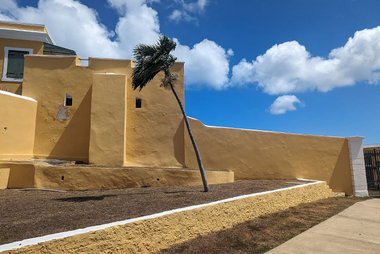
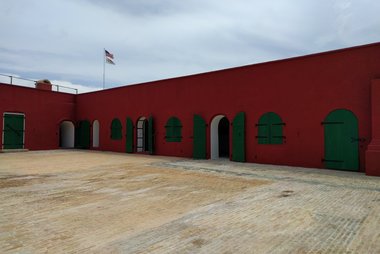
Denmark ruled the islands for nearly 250 years before selling them to the United States in 1917. You still see this past in the street names, forts and yellow and red colonial buildings. The islands suit beach lovers, snorkelers and sailors, and also travelers who like history. US citizens can visit without a passport, and prices and services feel familiar to Americans. Expect higher prices than on the mainland, because almost everything is imported.






Wyspy Dziewicze Stanów Zjednoczonych – planujesz wycieczkę?
Stwórz swój plan podróży dzień po dniu w aplikacji Tripomatic.


Kiedy jechać
The islands are warm all year, and the sea is always good for swimming. The main season runs from December to April, when it is drier and sunnier, but hotels and flights cost the most. The Atlantic hurricane season lasts from June to November, with the highest risk from August to October. For events, time a trip for St. Thomas Carnival in spring or the Crucian Christmas Festival on St. Croix around New Year.
Najlepszy czas na wizytę: styczeń, luty, marzec
Polecane zestawienia

Wycieczki i aktywności
Wyspy Dziewicze Stanów Zjednoczonych — Mapa

Pieniądze i płatności
The islands use the US dollar. ATMs are easy to find in Charlotte Amalie, Red Hook, Cruz Bay, Christiansted and Frederiksted, but there are few in rural areas.
- Cash: carry small bills for safari taxis, the public bus, beach vendors and roadside food stands.
- Duty-free shopping: Charlotte Amalie is known for jewelry, watches and liquor. US residents have a larger duty-free allowance here than in most foreign countries.
Napiwki
Tipping follows US customs. Check your restaurant bill first: some places already add a service charge, and then an extra tip is optional. Tip bar staff about $1–2 per drink. On boat trips and snorkel tours, crews usually expect 15–20 % of the trip price. In hotels, leave a few dollars per night for housekeeping.
15–20 %, unless a service charge is already on the bill
10–15 %
Elektryczność
The islands use US Type A/B plugs at 120 V / 60 Hz, the same as the US mainland. Visitors from outside North America may need a plug adapter, and should check that their devices accept 120 V.
Język
English is the official language and everyone speaks it. Among themselves, many locals speak Virgin Islands Creole, an English-based Creole with a strong accent and its own words. On St. Croix you also hear a lot of Spanish, because many families have roots in Puerto Rico.
Internet i łączność
The islands are part of the US phone system, with the area code 340. Most US mobile plans work here as at home, without roaming charges, but check with your provider before you travel. On St. John and near the British Virgin Islands, your phone may connect to a British network. This can start expensive roaming. Set your phone to a manual network or turn off data roaming to avoid this.
Bezpieczeństwo i pomoc w nagłych wypadkach
Most visits are trouble-free, but crime rates are higher than in many US states. Use common sense:
- Valuables: never leave bags, phones or cash in a car or unattended on the beach. Theft from cars and beaches happens.
- At night: avoid empty streets and isolated beaches after dark, especially in parts of Charlotte Amalie and Christiansted. Take a taxi instead of walking.
- In the water: some beaches have strong currents and no lifeguards. Swim at marked beaches when you can.
- Manchineel trees: these trees grow along some beaches and have small green apples. The fruit and sap are poisonous. Do not touch them or shelter under them in the rain.
- Hurricanes: from June to November, follow local news and your hotel's advice if a storm approaches.
Zdrowie
Many homes and small hotels collect rainwater in cisterns. Drink bottled or filtered water unless your hotel says its tap water is treated. The sun is very strong all year. Mosquitoes can carry dengue, so use repellent, especially in the rainy months. No special vaccinations are required beyond routine ones.
The main hospitals are on St. Thomas and St. Croix. St. John has only a small clinic, so serious cases go to St. Thomas by boat. Pharmacies are easy to find in the main towns and carry the same brands as on the US mainland.
The territory bans sunscreens that contain oxybenzone, octinoxate or octocrylene, to protect the coral reefs. Bring a reef-safe sunscreen.
Wizy i wjazd
The US Virgin Islands follow US immigration rules:
- US citizens do not need a passport when arriving from the US mainland or Puerto Rico. Bring a government photo ID, and carry a passport if you plan a day trip to the British Virgin Islands.
- Other visitors need the same entry documents as for the US mainland: an approved ESTA under the Visa Waiver Program, or a US visa.
- Leaving for the mainland: the islands are outside the US customs area. Before flights to the mainland, everyone passes a US Customs and Border Protection check at the airport, so arrive early.
Visa and entry requirements change frequently. Verify current requirements with the official immigration authority or your country's embassy before travel.
Zwyczaje i etykieta
Greetings matter a lot here. Always greet people first with "Good morning", "Good afternoon" or "Good night" before you ask a question or order something, even in a shop or a taxi. Locals often say "Good night" as a greeting after dark. Skipping the greeting seems rude.
- Dress: swimwear is for the beach and the pool. Cover up with a shirt and shorts in towns, shops and restaurants.
- Photos: ask before you take a close photo of a person or a market stall.
- Pace: service is relaxed. Patience and a friendly tone get better results than hurrying people.
Święta i godziny otwarcia
The islands celebrate US federal holidays plus local ones, such as Transfer Day and Emancipation Day. On public holidays, government offices close.
Shops in Charlotte Amalie focus on cruise visitors, so their hours follow the ship schedule. In quieter areas, restaurants often close one or two days a week, and some close for a few weeks in the autumn. Check opening days before you plan a dinner.
Poruszanie się na miejscu
- By ferry: passenger ferries run about every hour from Red Hook on Saint Thomas to Cruz Bay on St. John. The trip takes about 20 minutes. Some ferries also leave from downtown Charlotte Amalie. Car barges connect the two islands too. VI Department of Public Works – ferries
- By air: St. Croix is too far for a quick ferry ride. Most people fly between St. Thomas and St. Croix on short flights or seaplanes, which take about 25 minutes. Virgin Islands Port Authority
- By safari taxi: these open-air trucks with benches are the shared local transport on St. Thomas and St. John. Stop one on the main roads and pay a small flat fare in cash.
- By taxi: taxis do not use meters. Fares are fixed per person and per destination, so confirm the price before you get in.
- By bus: VITRAN public buses run on all three islands for $2. Pay with exact change. VITRAN bus routes
- By car: a rental car is the easiest way to explore St. Croix and St. John.
Prowadzenie samochodu
- Drive on the left: cars are US models with the steering wheel on the left, so the driver sits next to the road edge, not the center line. Take extra care when turning and at junctions.
- Roads: roads are narrow, steep and winding, often with sharp bends and few shoulders. Watch for potholes, pedestrians, goats and, on St. John, donkeys.
- Licenses: a valid US driver's license works as at home. A valid foreign license can be used for up to 90 days.
- Car type: rent a four-wheel-drive vehicle on St. John. Many roads there are too steep for a small car.
Jedzenie i napoje
Local food is Caribbean, with African, Danish and Puerto Rican influences. For breakfast, locals eat saltfish with johnnycake, a fried bread. At lunchtime, try a pate, a fried pastry filled with spiced meat or saltfish, from a roadside stand. Popular dishes are fish with fungi, a cornmeal and okra side, stewed goat, conch in butter sauce, and kallaloo, a thick green stew. For dessert, look for coconut tarts and red grout, a tapioca pudding.
To drink, try maubi, a bark and spice drink, or fresh passion fruit juice. At Christmas, locals drink sorrel, made from hibiscus. Rum is the main spirit. St. Croix has two large distilleries, and rum punch is on every bar menu. You find local food at small family restaurants, food trucks and roadside stands. Beach bars and resorts serve more American-style meals.
Gdzie warto się udać
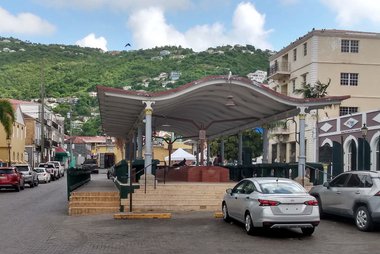
- Saint Thomas is the main gateway, with most flights and cruise ships. The capital, Charlotte Amalie, has Danish-era buildings, the 17th-century Fort Christian and one of the oldest synagogues in the Americas. Magens Bay is the island's best-known beach.
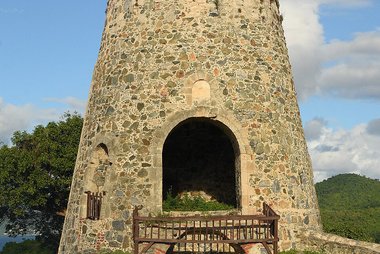
- St. John is the place for nature. The national park covers most of the island, with hiking trails, plantation ruins and calm bays such as Trunk Bay, which has an underwater snorkel trail. Most visitors arrive by ferry from St. Thomas.
- St. Croix is the largest island and feels less touristy. Christiansted has a well-kept Danish fort and waterfront, and Frederiksted has a long pier popular with divers. Boats leave Christiansted for snorkeling at Buck Island Reef National Monument.


Wyspy Dziewicze Stanów Zjednoczonych – zaplanuj swoje dni
Zmień miejsca z tego przewodnika w prawdziwy plan podróży z inteligentnym wyznaczaniem tras, szacowanym czasem i wszystkim, czego potrzebujesz na udaną wycieczkę.


Powiązane cele podróży


Data: © OpenStreetMap contributors, Wikidata, Wikipedia, Tripomatic, Official websites, geoBoundaries (CC BY 4.0). Tours by GetYourGuide. We earn commission from bookings. Travel guide generated with AI.