


Baiona
Bayonne is a historic city in the French Basque Country, where the Nive and Adour rivers meet. It is about 6 km from the Atlantic coast and a short ride from Biarritz.
The old town has a Gothic cathedral, half-timbered houses on the river quays and walls built by Vauban. The city is also known for chocolate, cured ham and one of the biggest summer festivals in France.
It suits a day or two of walking, museums and food. It also works as a calmer and cheaper base for the coast and the Basque villages.

Baiona – A planear uma viagem?
Cria o teu itinerário dia a dia na app Tripomatic.


Quando visitar
Late spring and early autumn are the best times: warm days, fewer crowds and open terraces. Summer is hot and humid. Rain is common in most months, and winter is mild but grey.
The Fêtes de Bayonne is the event to plan around. It lasts five days in July. Check the dates before you book. The whole city wears white and red, and the streets fill with music, bodegas and crowds. Book rooms months ahead, or avoid those days if you want quiet.
The ham fair (Foire au Jambon) takes place in April. It is a good time for food lovers.
Melhor altura para visitar: junho, julho, setembro, outubro
Principais atrações
- Cathédrale Sainte-Marie is the city's main landmark. It is a large Gothic church from the 13th to 15th centuries, with two tall spires added in the 19th century. It is part of the UNESCO listing for the pilgrim routes to Santiago de Compostela in France. The cloister next to it is also worth a visit.
- Musée Bonnat-Helleu is the city's art museum. It reopened in late 2025 after a long renovation. It holds paintings by Spanish, British and French masters and a large collection of drawings.
- Musée Basque et de l'histoire de Bayonne is the best place to understand local culture. It covers Basque daily life, seafaring, crafts and the history of Bayonne. It is in Petit Bayonne, near the Nive.
- Halles de Bayonne is the covered market beside the Nive. It is the centre of local food shopping. It is being renovated, so check whether a temporary market hall is in use.
- Château-Vieux is the old castle beside the cathedral quarter. It is part of the city's old defences and is best seen from the outside.
- The ramparts and the Citadelle were built or improved by Vauban in the 17th century. You can walk along parts of the old walls on the edge of Grand Bayonne.
Listas em destaque


Bayonne Heritage Sites
Bayonne’s historic landscape is defined by its diverse architectural layers, from the 13th-century Gothic Cathédrale Sainte-Marie to the defensive fortifications of Château-Vieux and Château-Neuf. This collection highlights the city's evolution, featuring the Sephardic Jewish heritage preserved in the ritual baths of Saint-Esprit and well-preserved timber-framed residences like Maison Saubist and Maison Lapeyre. These landmarks represent the military, religious, and social history of the Basque Country’s capital.
8 lugaresO que experienciar
- Join the Fêtes de Bayonne. For five days in July, locals and visitors dress in white with red scarves and belts. Expect parades, street music and late nights. It is the best time to see the city's party side.
- Taste chocolate in the old town. Bayonne has made chocolate for centuries, since Jewish refugees from Iberia settled here. Try hot chocolate or tablets in the shops and tea rooms under the arcades of the Rue du Port-Neuf.
- Watch Basque pelota. This fast ball game is played against a wall, often with a bare hand or a wicker basket. Ask at the tourist office where matches are held.
- Walk the quays at sunset. The terraces along the Nive fill up in the evening.
Excursões e atividades
Baiona — Mapa

 Abrir o mapa interativo
Passeios de um dia
Bayonne is close to the beaches, the Basque villages and the Spanish border.
- Biarritz: about 15 minutes by bus or car. A seaside resort with big beaches and surf.
- Bidart and Guéthary: about 20 to 25 minutes by train or car. Small coastal villages with beaches and cliff paths.
- Saint-Jean-de-Luz: about 30 minutes by train or car. A fishing port with a calm bay and a pedestrian centre.
- Espelette: about 30 minutes by car. A village known for its red peppers, which hang on house fronts in autumn.
- Sare and La Rhune: about 45 minutes by car. A traditional Basque village near the mountain La Rhune, which has a rack railway to the top.
- San Sebastián, Spain: about 1 hour by car. A famous food city with a city beach and many pintxos bars.
- Saint-Jean-Pied-de-Port: about 1 hour by train or car. A walled village at the start of a French route of the Camino de Santiago.
Onde explorar
Other destinations nearby:
- For a seaside resort with surf beaches, visit Biarritz.
- For a fishing port with a sheltered beach, visit Saint-Jean-de-Luz.
- For the border town on the French side of the Bidasoa, visit Hendaye.
- For food and a city beach in Spain, visit San Sebastián.
Como chegar
- By air: Biarritz Pays Basque Airport (BIQ) is a few kilometres from the centre. It serves Bayonne, Biarritz and Anglet, with mostly seasonal and European routes. Taxis and local buses link it to the city. Bordeaux and Bilbao have more routes and are each about 2 hours away by road.
- By train: Bayonne station is on the line from Bordeaux to Irun, with direct TGV trains from Paris. Regional trains run to Hendaye and Saint-Jean-Pied-de-Port. Book on SNCF Connect. The station is on the north bank of the Adour, a short walk from the old town across the river.
- By bus: Local buses connect Bayonne with Biarritz and the nearby coast.
- By car: The A63 motorway passes close to the city, from Bordeaux in the north and from Spain in the south.
Como se deslocar
- On foot: The old town, the quays and the main museums are close together. Walking is the easiest way to get around.
- Public transport: The Txik Txak bus network serves Bayonne, Biarritz and Anglet. Check routes, tickets and timetables on Txik Txak.
- Cycling: The centre is mostly flat, so cycling works well.
- Taxi: Taxis are useful for the airport and late evenings.
Conduzir
- Is a car worth it? Not for the old town. A car is useful for the Basque villages and the mountains inland.
- Parking: Streets in the old centre are narrow and parking is limited. Use a paid car park at the edge of the centre and walk.
- Tolls: Parts of the A63 motorway are tolled.
Comida e bebida
Bayonne is famous for chocolate and ham. Bayonne ham is cured with local salt and has European protected status. Look also for piperade (peppers and tomato with egg), grilled fish and gâteau basque, a cake filled with cream or cherry jam. Espelette pepper and local chocolate make good gifts.
For eating, start at Halles de Bayonne and the streets around it. Cafés and bars cluster along the Nive quays and in Petit Bayonne. Chocolate shops and tea rooms line the Rue du Port-Neuf.
Segurança e saúde
Bayonne is safe for visitors. Pickpocketing can happen in crowds, especially during the Fêtes de Bayonne. Keep bags closed and phones out of back pockets.
During the Fêtes, streets are crowded and many people drink heavily. Plan your way back to your room early, and avoid driving.
História
Bayonne started as a Roman fort and grew into a port on the Adour. It was under English rule for about three centuries, until France took it in 1451. Trade, shipping and a strong Basque and Gascon culture shaped the city.
You can still see this past today. Cathédrale Sainte-Marie dates from the Middle Ages. In the 17th century Vauban, the king's military engineer, strengthened the walls and built the Citadelle.
In the 16th and 17th centuries, Jewish refugees from Spain and Portugal settled in the Saint-Esprit district across the Adour. They helped make Bayonne a centre of chocolate making. The museum quarter in Petit Bayonne, with Musée Basque et de l'histoire de Bayonne, shows the Basque side of this history.
Factos sobre o país
Quick practical facts for France at a glance:
- Moeda
- Euro EUR € · Pagamentos com cartão · Amplamente aceite
- Números de emergência
- 112
- Eletricidade
- 230 V · 50 HzTipo C / Tipo E
- Idiomas
- francês
- Água da torneira
- Própria para beber
- Sentido de condução
- Direita
- Indicativo telefónico
- +33


Baiona – Planeia os teus dias
Transforma os lugares deste guia num verdadeiro itinerário, com rotas inteligentes, estimativas de tempo e tudo o que precisas para uma viagem perfeita.


Destinos relacionados
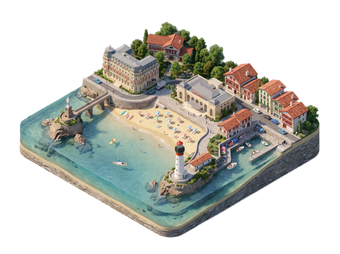
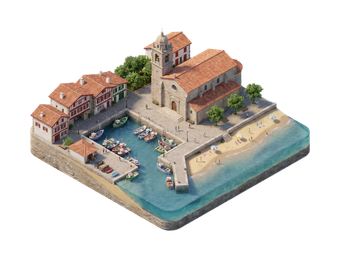

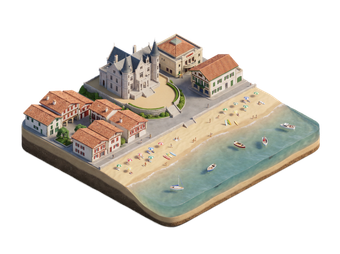
Data: © OpenStreetMap contributors, Wikidata, Wikipedia, Tripomatic, Official websites. Tours by GetYourGuide. We earn commission from bookings. Travel guide generated with AI.
Planeia a tua viagem com o Tripomatic
- Planeamento com IAObtém um dia pronto com um toque, deixa a IA distribuir a tua lista de desejos pela tua viagem ou planeia tudo através do chat.
- Alertas de viagemAvisos oficiais, condições meteorológicas adversas, greves e perigos naturais para os lugares em cada dia da tua viagem.
- Feriados e eventosVê feriados, festivais e encerramentos nos dias da tua viagem e o impacto que têm nos teus planos.
- Estimativa de custosDiscriminação de custos de viagem com IA para saberes quanto orçamentar antes de ir.
- Excursões e bilhetesReserva excursões, bilhetes sem filas e atividades diretamente no teu plano.