


Kanazawa
Kanazawa is the capital of Ishikawa Prefecture, on the Sea of Japan coast. It has about 460,000 people. The city was spared from air raids in World War II, so many old districts survive. Today it combines samurai streets, geisha teahouse lanes, a famous garden and a strong craft tradition. Kanazawa also makes almost all of Japan's gold leaf.
It suits a trip of two to three nights for culture, crafts and seafood. The main sights are close together and easy to cover on foot and by bus. Kanazawa also has serious modern art, and the Zen scholar D. T. Suzuki was born here.

Kanazawa – Gezi mi Planlıyorsun?
Tripomatic uygulamasında gün gün güzergahını oluştur.


Ne zaman gidilmeli
Spring and autumn are mild and the best times for walking. Summer is hot and humid. Winter is cold, grey and snowy, but the garden looks its best then and seafood is at its peak. Rain falls in every season, so carry an umbrella.
The biggest event is the Hyakumangoku Festival. A costume parade on the first Saturday in June re-enacts the entry of the first Maeda lord into the city in 1583. Book hotels early for that weekend.
En popüler turistik yerler
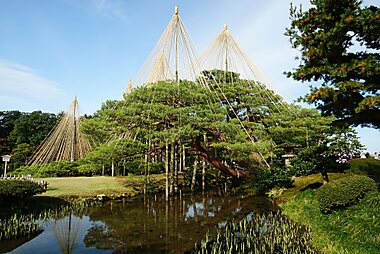

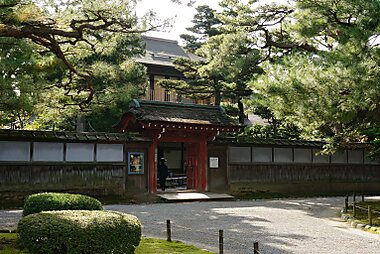

- Kenrokuen Park is one of Japan's three great gardens. It has ponds, tea houses and pine trees held up with ropes in winter. Open it early in the day. Next to it is Seisonkaku Villa, a villa of the Maeda family.
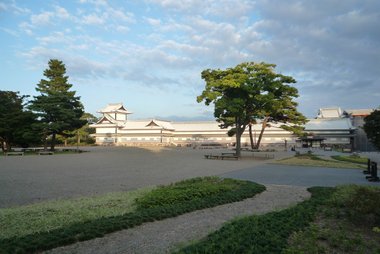
- Kanazawa Castle Park was the seat of the Maeda lords. Several turrets and storehouses have been rebuilt with traditional methods. The wooden Ishikawa Gate is an original from 1788.
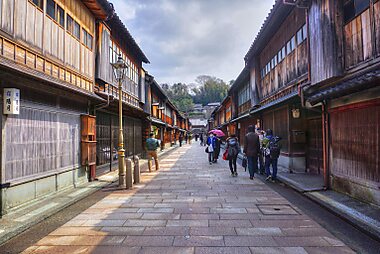
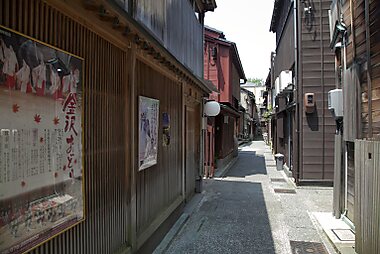
- Higashi-chaya street (Geisha district) is the largest of the old teahouse districts. Wooden lattice houses line the lanes. Teahouses are open to visitors, and Shima geisha house is one of them. Quieter Kazuemachi lies along the river nearby.
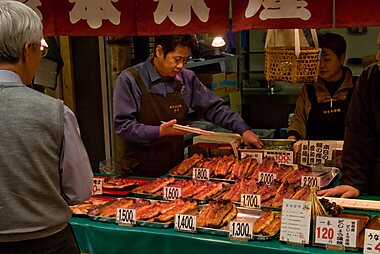
- Omicho Market is the city's food market. It is the best place for fresh seafood and for lunch. Go in the morning for the best choice.
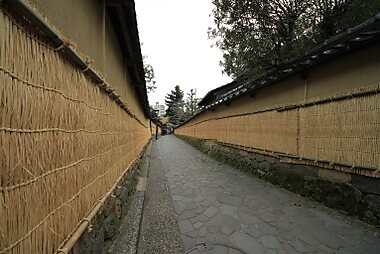
- Nagamachi Samurai District has narrow lanes with earthen walls and canals. Nomura Samurai House is a preserved samurai home with a garden that you can enter.
- Myoryuji (Ninja Temple) is called the Ninja Temple, but it was not used by ninja. It has hidden stairs, trick doors and secret rooms. Advance reservation is required.
- 21st Century Museum of Contemporary Art, Kanazawa is a round glass museum opened in 2004. Some areas are free to enter. The famous swimming pool artwork can be viewed from above for free, but a ticket is needed to enter the pool.
- D. T. Suzuki Museum is a calm, modern museum about the Zen scholar. It has a quiet water garden for sitting.
Öne Çıkan Listeler


Neler deneyimlenmeli
Things to do in Kanazawa that go beyond the sights:
- Enter Kenrokuen Park for free in the early morning, before the regular opening time. From April to August the free entry starts at 4:00 and the paths are almost empty. Only the Renchi-mon and Zuishinzaka gates are open then.
- Learn about gold leaf at the Yasue Gold Leaf Museum.
- Drink matcha with a Japanese sweet at the Shigure-tei tea house in the garden. It is open from 9:00 to 16:30 and closed from 29 December to 3 January.
- Visit a teahouse in the geisha district in the evening. Some houses show their rooms by day. Evening performances usually need a booking or an introduction.
- See the winter rope supports on the garden pines. Workers tie them with ropes in a cone shape to protect them from heavy snow.
- Watch the Hyakumangoku Festival parade in early June.
Turlar ve Aktiviteler
Kanazawa — Harita

 Etkileşimli haritayı aç
Günübirlik geziler
Kanazawa is a good base for day trips by Shinkansen and bus. The close options come first.
- Kaga hot springs, about 30 minutes by Shinkansen to Kaga Onsen Station. Yamashiro and Yamanaka onsen towns are in Kaga. The area is also known for Kutani porcelain.
- Toyama, about 20 minutes by Shinkansen. It is a good stop for fresh sushi and a modern art glass museum.
- Shirakawa, about 1 hour 15 minutes by reserved bus. The thatched farmhouses of Shirakawa-go are a UNESCO World Heritage Site. Book the bus seat in advance. Gokayama, a smaller group of villages, has a bus from April to November.
- Noto Peninsula, about 1.5 hours to Nanao, and longer to the north tip. It has coast, fishing towns and craft traditions. Parts are still recovering from the January 2024 earthquake, so check access and opening hours before you go.
Nereyi keşfetmeli
- Heading east: Takayama is an old merchant town in the Hida mountains. A night or two there fits well with a trip to the thatched villages.
- Heading north: Noto is a town on the Noto Peninsula with rural coast scenery. Check road and service status first, as the region is still rebuilding after the January 2024 earthquake.
Nasıl gidilir
- By air: Komatsu Airport (KMQ) is the nearest airport, with flights from Tokyo Haneda (about 1 hour). A bus runs to Kanazawa Station in about 40 minutes. For most visitors from Tokyo, the train is simpler.
- By train from Tokyo: The Hokuriku Shinkansen reaches Kanazawa Train Station in about 2.5 hours on the fast Kagayaki train. The Hakutaka train stops more often and takes about 3 hours.
- By train from Osaka, Kyoto and Nagoya: Take a limited express to Tsuruga, then change to the Hokuriku Shinkansen. Book the change in advance on busy days.
- By bus: Highway buses link Kanazawa with Tokyo, Osaka and Nagoya. They are cheaper than the train but slower.
- Arriving at the station, the wooden Tsuzumi-mon gate and the glass dome mark the east exit. The city buses leave from there.
- Official information: Ishikawa Travel: getting to Ishikawa
Ulaşım
- City buses: The Kanazawa Loop Bus runs from the east exit of the station past Omicho, the castle, Kenrokuen and Higashi-chaya. A ride costs 220 yen. Board at the rear door and pay when you get off with an IC card, a contactless bank card or cash. The one-day pass is 800 yen, must be bought in advance, and also gives discounts at about 27 attractions. Hokutetsu local buses also accept contactless cards.
- On foot: The centre is compact. Omicho, the castle, Kenrokuen and Nagamachi are each 10 to 20 minutes apart on foot. Higashi-chaya is a longer walk across the river.
- Taxi: Useful for the Ninja Temple and in rain or snow.
- Official transport page: Visit Kanazawa: getting around
Araç kullanımı
- Is a car worth it?: Not for the city. Buses and walking cover the centre. A car is useful for the hot springs and the countryside.
- Driving side: Japan drives on the left. Japan accepts only a 1949 Geneva International Driving Permit. Licences from some countries need an official Japanese translation from JAF.
- Winter: Snow is likely from December to March. Ask your rental company about winter tyres before you drive into the hills.
Yeme ve içme
Kanazawa is known for seafood from the nearby Sea of Japan. Look for sushi, and for snow crab in winter. Jibuni, a warm duck and vegetable dish, is a local classic.
Eat in these areas:
- The market streets around Omicho Market for sushi bowls and grilled seafood at lunch.
- Korinbo and Katamachi, the downtown areas, for izakaya, sushi counters and bars in the evening.
- The lanes of the geisha districts for tea houses and sweets.
Book ahead for dinner on weekends, as small counters are very popular.
Güvenlik ve sağlık
- Kanazawa is very safe, with low crime. Normal care with bags in crowds is enough.
- Earthquakes happen in Japan. Learn the exits in your hotel and follow local instructions.
- Winter snow and rain can make stone paths and steps slippery. Wear shoes with grip.
- Summer is hot and humid. Drink water and avoid long walks in the afternoon.
- Pharmacies and hospitals are easy to find in the centre. Carry cash for small shops and some museums.
Tarihçe
In the 1400s and 1500s the area was ruled by followers of a Buddhist sect, who held the land for about a century. In 1583 Maeda Toshiie made Kanazawa his base after a key battle. His family ruled the Kaga domain until 1871. It became one of the richest domains in Japan, and the lords supported crafts, tea and the arts.
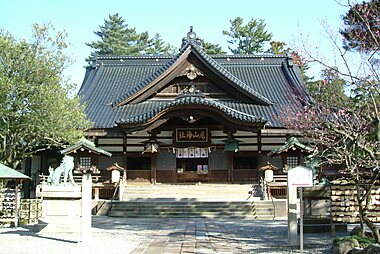
You can see this past today. The lords ruled from Kanazawa Castle Park, and their garden is now Kenrokuen Park. Samurai families lived in Nagamachi Samurai District. The domain also set up licensed teahouse districts, such as Higashi-chaya street (Geisha district). Oyama-jinja Shrine honours Toshiie. Its mixed-style gate from 1875 has coloured glass in the top level.
The city escaped bombing in 1945, so the old streets survived. The Hokuriku Shinkansen arrived in 2015 and made Kanazawa an easy trip from Tokyo.
Ülke bilgileri
Here are the essentials for travelling in Japan:
- Para birimi
- Japon yeni JPY ¥ · Kartla ödeme · Genellikle kabul ediliyor
- Elektrik
- 100 VTip A / Tip B
- Diller
- Japonca
- Musluk suyu
- İçilebilir
- Trafik akış yönü
- Sol
- Ülke kodu
- +81


Kanazawa – Günlerini Planla
Bu rehberdeki yerleri; akıllı rota oluşturma, tahmini süreler ve kusursuz bir gezi için gereken her şeyle gerçek bir güzergaha dönüştür.


İlgili varış noktaları
Data: © OpenStreetMap contributors, Wikidata, Wikipedia, Tripomatic, Official websites, geoBoundaries (CC BY 4.0). Tours by GetYourGuide. We earn commission from bookings. Travel guide generated with AI.
Tripomatic ile gezini planla
- Yapay Zeka Destekli PlanlamaTek bir dokunuşla hazır bir gün planı elde et, yapay zekanın istek listeni gezine dağıtmasını sağla veya sohbet ederek her şeyi planla.
- Seyahat UyarılarıGezinin her günündeki yerler için resmi seyahat tavsiyeleri, şiddetli hava durumu, grevler ve doğal afetler.
- Resmi Tatiller ve EtkinliklerGezinin günlerindeki tatilleri, festivalleri ve kapanışları ve bunların planların için ne anlama geldiğini gör.
- Maliyet TahminiYola çıkmadan önce ne kadar bütçe ayırman gerektiğini bilmen için yapay zeka destekli gezi maliyet dökümleri.
- Turlar ve BiletlerPlanın üzerinden doğrudan turlar, sıra beklemeden giriş biletleri ve aktiviteler için rezervasyon yap.