


阿维拉
Ávila is a small walled city in central Spain, about 110 km west of Madrid. Its medieval walls are among the best preserved in Europe, and the old town inside them is a UNESCO World Heritage Site.
It is also the city of Saint Teresa, a 16th-century mystic, and has several churches and convents linked to her. It suits a half day to a full day from Madrid.

阿维拉 – 正在规划旅行?
在 Tripomatic 应用中按天构建您的行程。


最佳旅行时节
Late spring and early autumn are the best seasons, with sunny, warm days. Summers are hot in the day but cool at night. Winters are cold, with frost and sometimes snow, because the city is at about 1,130 meters above sea level.
The feast of Saint Teresa on 15 October is the main festival, and Holy Week is also marked.
最佳旅行时间: 五月, 六月, 七月, 八月, 九月
热门景点


- Murallas de Ávila are the medieval walls, about 2.5 km long, with many towers and nine gates. You can walk along part of the top.
- The cathedral is built into the walls, and its apse forms part of the defenses.
- Basílica de San Vicente is a Romanesque basilica outside the walls with a carved portal.
- Monasterio de San José is the first convent founded by Saint Teresa, in 1562.
- Convento de Santa Teresa stands on the site of her birth, with a small museum.
- Real Monasterio de Santo Tomás is a royal monastery with three cloisters and a tomb of a prince.
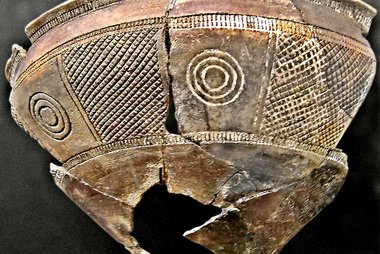
- Castro de Las Cogotas is an Iron Age hill fort from the Vettones people, outside the city.
精选榜单

Ávila's Absolute Essentials
Ávila is defined by its 11th-century medieval walls, a 2.5-kilometer circuit featuring 82 towers and nine gates. This collection highlights the city's religious significance as the birthplace of Saint Teresa, including her namesake convent and the Romanesque Basílica de San Vicente. Key sites range from the Gothic Real Monasterio de Santo Tomás, once a royal summer residence, to the panoramic Los Cuatro Postes viewpoint. The city's architectural heritage is further represented by Renaissance palaces and the Roman bridge spanning the Adaja River.
10 个地点
Ávila's Heritage Sites
Ávila is defined by its exceptionally preserved 11th-century medieval walls, stretching 2.5 kilometers with 88 semicircular towers. This collection explores the city's architectural evolution, from the Romanesque Basilica of San Vicente to the Gothic Real Monasterio de Santo Tomás. It includes significant Renaissance palaces like the Torreón de los Guzmanes and religious sites central to the life of Saint Teresa, offering a comprehensive look at Castilian military and ecclesiastical history within a UNESCO World Heritage setting.
20 个地点
Ávila's Sacred Heritage
Ávila’s religious landscape is defined by its well-preserved Romanesque and Gothic structures, many of which are tied to the life of Saint Teresa. This collection includes the Basílica de San Vicente, a masterpiece of Spanish Romanesque architecture, and the Royal Monastery of Santo Tomás, notable for its royal tombs and three distinct cloisters. From 12th-century parish churches like San Pedro to significant Carmelite sites like the Convento de la Encarnación, these landmarks illustrate centuries of Spanish ecclesiastical history and architectural evolution.
17 个地点特色体验
- Walk along the top of the walls for views of the old town and the surrounding plain.
- Go to the Cuatro Postes viewpoint across the river at sunset to see the walls lit up.
- Try yemas de Santa Teresa, a sweet made from egg yolks and sugar.
观光与活动
阿维拉 — 地图

一日游
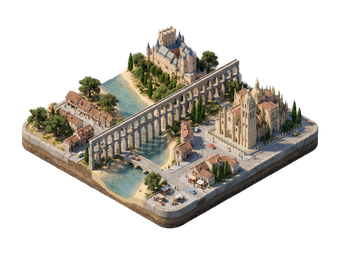
- Segovia (about 65 km, 1 hour by car): a Roman aqueduct and a fairy-tale castle.
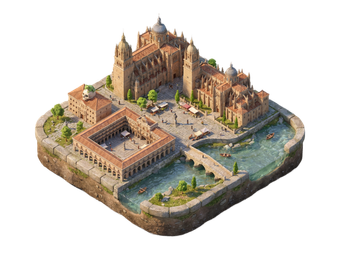
- Salamanca (about 100 km, 1.5 hours by car): a golden sandstone university city.
- Madrid (about 110 km, 1 to 1.5 hours by train or bus): the capital.
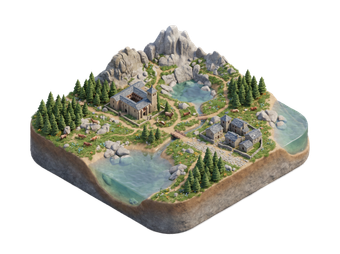
- Sierra de Gredos: a mountain range south of the city, with hiking.
周边探索
Other places in Castile and León:
- Old cities: Segovia, Salamanca and Valladolid.
- Cathedral cities: Burgos, León and Palencia.
- Mountains: Sierra de Gredos.
如何到达
- By air: There is no commercial airport. Madrid airport is the closest, about 2 hours away.
- By train: Regional trains run from Madrid and take about 1.5 hours. Book on Renfe.
- By bus: Coaches run from Madrid and Salamanca, and the bus station is close to the old town.
当地交通
- On foot: The old town is small and mostly flat, and most sights are within 10 to 15 minutes' walk. Some streets near the walls are steep.
- Cycling: Cycling is possible but not common, and the town is hilly.
自驾指南
- Is a car worth it?: Not for the old town. A car helps for the Sierra de Gredos and nearby villages.
- Parking: Use a car park outside the walls.
- Restrictions: Access by car to the old town is limited.
美食与饮品
Ávila is known for its beef, especially the large chuletón (T-bone steak), and for roast lamb. In the winter the food is hearty, with beans and stews.
The local sweet is yemas de Santa Teresa, which you can buy at pastry shops in the old town.
安全与健康
Ávila is a very safe town. The altitude means strong sun in summer and cold nights, so bring sun protection and warm layers. The walls can be slippery when wet or frozen, so take care if you walk on them.
历史
Ávila was settled by the Vettones, an Iron Age people, and later held by the Romans and Moors. The walls were built from the 11th century, after the town was retaken by Christian kings.
Saint Teresa of Ávila was born here in 1515 and founded a reformed branch of the Carmelite order. The old town was listed by UNESCO in 1985.
国家概况
Quick practical facts for Spain at a glance:
- 货币
- 欧元 EUR € · 刷卡支付 · 广泛接受
- 紧急求助电话
- 112
- 用电规格
- 230 V · 50 HzC 型插头 / F 型插头
- 语言
- 西班牙语
- 自来水
- 可安全饮用
- 行车方向
- 靠右行驶
- 国际区号
- +34




相关目的地

Data: © OpenStreetMap contributors, Wikidata, Wikipedia, Tripomatic, Official websites, geoBoundaries (CC BY 4.0). Tours by GetYourGuide. We earn commission from bookings. Travel guide generated with AI.