


萨格里什
Sagres is a small village at the far southwest corner of Portugal, where the Algarve meets the open Atlantic. The coast here is high cliffs, strong wind and wide sea views. It is wilder and quieter than the resort towns to the east.
It suits active and nature-focused trips: surfing, coastal walks, birdwatching and sunsets at the southwest tip of mainland Europe. Sagres is also linked to the 15th-century Portuguese voyages of discovery. A few nights is enough for the cliffs, beaches and the cape.

萨格里什 – 正在规划旅行?
在 Tripomatic 应用中按天构建您的行程。


最佳旅行时节
May, June, September and October are the best months. Days are sunny, the wind is lighter and the village is calmer than in high summer. July and August are dry and busy, and the Atlantic stays cool even then. Winter is mild but wetter, with the biggest waves for surfers.
Sagres is breezy all year, so bring a light jacket in every season. The Festival of Birdwatching and Nature Activities is held in October; check the dates before you travel. It brings guided bird walks, boat trips and talks to the village during the autumn bird migration.
最佳旅行时间: 五月, 六月, 七月, 八月, 九月, 十月
热门景点
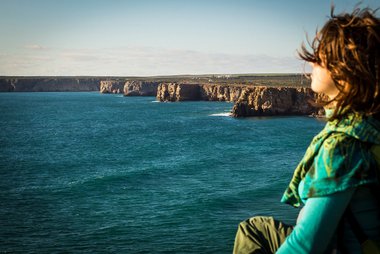

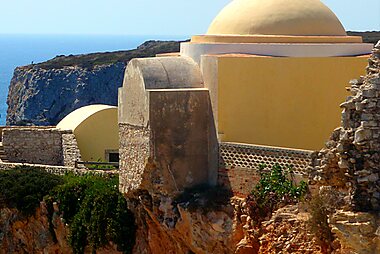
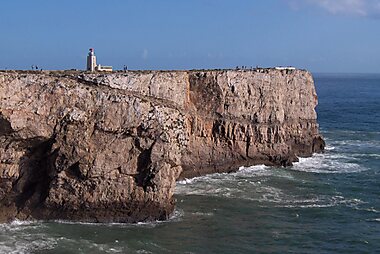
- Cabo de São Vicente is the southwest tip of mainland Europe. Tall cliffs drop into the sea, and sunset draws crowds.
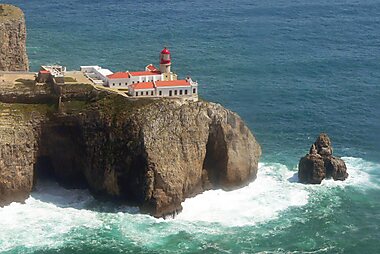
- Farol do Cabo de São Vicente stands on the cape and is its main landmark. Walk to the cliff edge nearby for the sea views.
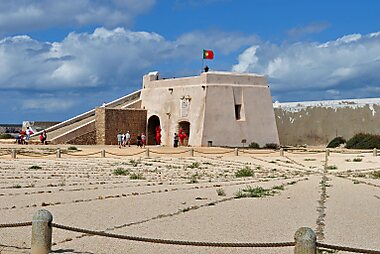
- Fortaleza de Sagres is a walled fortress on the headland above the village. It has a giant stone wind compass and a small chapel. Allow at least 30 minutes.
- Farol de Sagres marks the end of the headland by the fortress. The cliffs and open sea around it are worth the short walk.
- Forte de Santo António de Belixe is a small coastal fort on the road to the cape. It is a good stop for cliff views.
- Praia do Beliche is a sandy cove below tall cliffs, reached by a long staircase. It is a good place for a swim on calm days.
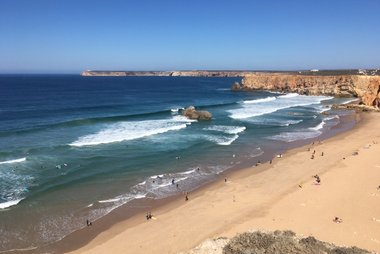
- Praia do Tonel faces west, below the fortress. It takes the full force of the Atlantic, so it is a surf beach more than a swimming beach.
精选榜单


特色体验
Sagres is about doing things outdoors. These are the signature experiences.
- Sunset at the cape: Watch the sun go down over the Atlantic from the cliffs at the lighthouse. It is the classic Sagres evening. Food trucks and souvenir stands set up nearby, and tour buses arrive, so come early for a good spot.
- Surf lesson: Mareta is the calmer spot for beginners. Tonel is for experienced surfers. Surf schools in the village rent boards and wetsuits. The water is cool all year, so a wetsuit is a good idea.
- Autumn bird migration: In September and October, large numbers of birds cross this corner of Portugal on their way to Africa. Watch from the cliffs, or join walks and boat outings during the nature festival held in October.
- Boat trip from the harbour: Dolphin-watching and sea cave boat tours leave from the fishing harbour at Baleeira.
- Walk the Fishermen's Trail: A stretch of this long coastal trail runs along the cliffs here, past Sagres and the cape. Take water, as there is little shade, and stay back from the cliff edge.
观光与活动
萨格里什 — 地图

一日游
Sagres sits at the end of the road, so day trips are best by car. Driving times are one way.
- Lagos: about 35 minutes by car, or about 1 hour by bus. A historic town with an old centre and a coast of cliffs and sea caves.
- Aljezur: about 50 minutes by car. A gateway to the wild west coast, with large Atlantic beaches.
- Portimão: about 50 minutes by car. A large city with a wide beach at Praia da Rocha and a fishing quarter.
- Monchique: about 1 hour 15 minutes by car. A cool, forested hill town with views from the highest point in the Algarve.
周边探索
如何到达
- By air: Faro Airport (FAO) is the main gateway, about 116 km east. A taxi or pre-booked transfer takes about 1 hour 10 minutes and costs roughly 100 to 180 euros. By public transport, go first to Lagos and change: the Aerobus 56 runs from the airport to Lagos in about 2 hours. It is seasonal, so check the timetable.
- By train: There is no railway to Sagres. The Algarve line ends in Lagos. A regional train from Faro takes about 1 hour 45 minutes. Book on Comboios de Portugal.
- By bus: From Lisbon, take a coach to Lagos (about 4 hours), then bus 47 to Sagres (about 1 hour). The main stop is in the village centre.
- Public transport is slow and services are limited. Many visitors sleep a night in Lagos or rent a car.
当地交通
- On foot: The village is compact. The harbour, the fortress and Mareta and Tonel beaches are a short walk from the centre. The cape is about 6.5 km away, so go by bus, taxi or car.
- Bus: Regional bus 47 connects Lagos, Sagres, Beliche beach and the cape. The timetable is limited, so plan the return trip before you leave. Pay the driver in cash, or use the Vamus app or a prepaid card for lower fares. A Vamus Tourist Pass covers unlimited rides on the regional network for several days. See timetables and fares at Vamus Algarve.
- Taxi: A taxi from Lagos costs about 40 to 45 euros.
- Cycling: Roads between the village, the fortress and the cape are open and windy. Check the wind before you ride.
自驾指南
- Is a car worth it?: Not for the village itself. Yes for the cape, the west coast beaches and day trips. Public transport is limited.
- Route: No motorway reaches Sagres. The A22 ends near Lagos, then the EN125 continues west via Vila do Bispo to Sagres.
- Parking: A large free car park sits by the lighthouse at the cape. Do not leave valuables in the car.
美食与饮品
Sagres is a fishing village, so seafood is the reason to eat here. Look for grilled fish, octopus rice, stuffed squid and massada de peixe, a fish and pasta stew. Goose barnacles, called percebes, are a local delicacy.
Restaurants cluster in two places: along Rua Comandante Matoso, the main street, and at the fishing harbour in Baleeira. Fishing boats work out of the harbour. Locals start the evening early with drinks before sunset, and nights get cool, so bring a sweater.
安全与健康
Sagres is very safe for visitors. The main crime risk is theft from parked cars at beaches and the cape, so leave nothing visible inside.
The cliffs and the sea are the real dangers. Many cliff edges have no fence, and strong wind can make the edge risky. Stay on paths and keep children close. The west-facing beaches have strong waves and currents, so swim only where lifeguards are on duty. The sun is strong from May to September, so bring sun protection.
历史
The Romans called the cape the Holy Promontory. Legend says the body of Saint Vincent arrived here, guarded by ravens, and the story later appeared on the coat of arms of Lisbon. The cape and Farol do Cabo de São Vicente still carry his name.
In the 15th century, the headland was linked to Henry the Navigator and the Portuguese voyages along the African coast. The Fortaleza de Sagres guarded the harbour. The 1755 earthquake and tsunami then damaged the fortress.
国家概况
Quick practical facts for Portugal at a glance:
- 货币
- 欧元 EUR € · 刷卡支付 · 广泛接受
- 紧急求助电话
- 112
- 用电规格
- 230 V · 50 HzC 型插头 / F 型插头
- 语言
- 葡萄牙语
- 自来水
- 可安全饮用
- 行车方向
- 靠右行驶
- 国际区号
- +351




相关目的地

Data: © OpenStreetMap contributors, Wikidata, Wikipedia, Tripomatic, Official websites, geoBoundaries (CC BY 4.0). Tours by GetYourGuide. We earn commission from bookings. Travel guide generated with AI.