


شكوفيا لوكا
Škofja Loka is one of the best-preserved medieval towns in Slovenia. It sits where two rivers meet, the Selca Sora and the Poljane Sora, about 20 km north-west of Ljubljana. A castle stands on the hill above the old town, and colourful town houses line its two long squares. For more than 800 years the town belonged to the bishops of Freising in Bavaria, and their influence is still visible in its churches and buildings.
The old town is small and easy to see in half a day, so many visitors come on a day trip from Ljubljana. Staying a night or two gives time for the green Poljane and Selca valleys and the Škofja Loka Hills behind the town, which are good for hiking and cycling. The town is also famous for its Passion Play, the oldest surviving drama written in the Slovenian language.

شكوفيا لوكا – هل تخطط لرحلة؟
أنشئ خط سير رحلتك يوماً بيوم في تطبيق Tripomatic.


أفضل وقت للزيارة
Late spring to early autumn is the best time to visit. June and September are pleasant for walking the town and hiking in the hills. July and August are warm, with frequent afternoon thunderstorms. Winters are cold, often with snow in the hills, and the town is quiet.
The biggest local event is the Škofja Loka Passion Play, a huge open-air performance in the streets of the old town during Lent and Easter. It takes place only about once every six years and was last staged in spring 2026. In other years, plan around Historial, a one-day historical festival on the main square in early June.
أفضل وقت للزيارة: يونيو, سبتمبر
أبرز المعالم

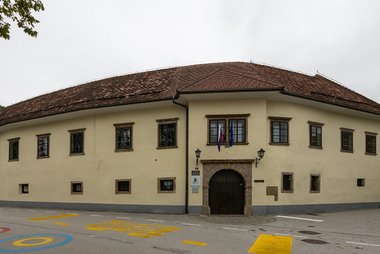
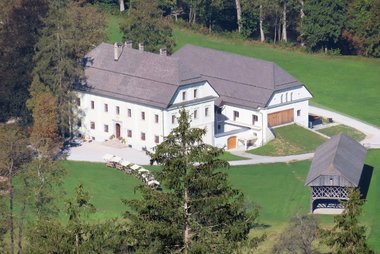
Loka Castle rises above the old town. It was the seat of the Freising bishops' local administrator and was rebuilt after an earthquake in 1511. Today it houses the Loka Museum, with collections on local history, crafts and art, and a restored old farmhouse in the castle garden.
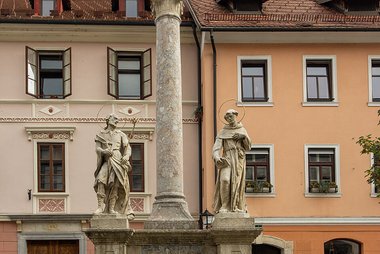
The main square, Mestni trg, is lined with painted town houses from the 16th century and later. In its centre stands Marian Plague Column, a Baroque memorial to the town's survival of the plague.
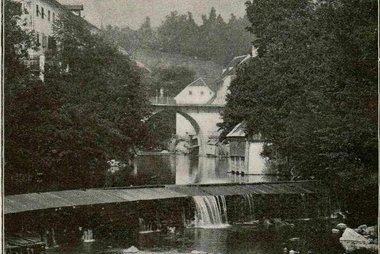
Capuchin Bridge crosses the Selca Sora at the edge of the old town and is one of the oldest bridges in Slovenia. It is already mentioned in a document from 1357. A statue of St John of Nepomuk stands in the middle.
St James's Church is the late Gothic parish church at the north end of the old town. Look up at its star-shaped ribbed vaults, and see the baptistery designed by the architect Jože Plečnik.
Puštal Castle is a small Renaissance castle across the Poljane Sora, a short walk from the centre. It is now a music school, so you will mostly see it from outside.
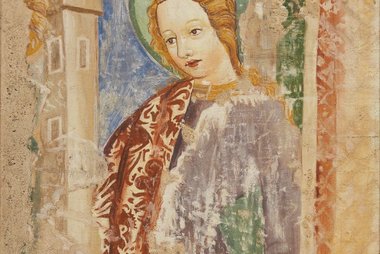
Crngrob Church of the Annunciation in the village of Crngrob, about 4 km north of town, is a Gothic pilgrimage church. It has some of the finest medieval frescoes in Slovenia, including a famous painting of the "Holy Sunday", and a huge Baroque main altar.
قوائم مميزة

تجارب ننصح بها
Škofja Loka is best known for its old traditions and for hiking in the hills behind the town.
- See the Passion Play: In Passion Play years, more than a thousand local volunteers, including actors and riders on horseback, perform the story of the Passion in the streets and squares of the old town. The text was written by the Capuchin friar Father Romuald in the early 18th century and is on the UNESCO list of intangible cultural heritage. Book tickets well in advance.
- Join Historial in June: For one day in early June, the main square fills with people in historical costume, crafts, music and old trades.
- Look for Loka honey breads: These small, spiced honey breads are pressed into carved wooden moulds and decorated. They were traditional gifts for holidays and weddings, and the craft is now protected as national heritage.
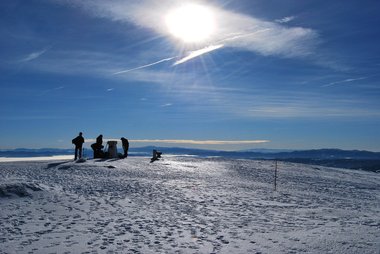
- Hike in the Škofja Loka Hills: A marked trail climbs from the edge of town up Lubnik, the hill above Škofja Loka, with a mountain hut near the top. Farther west, Blegoš is a longer hike with wide views of the Alps.
جولات وأنشطة
شكوفيا لوكا — خريطة

رحلات اليوم الواحد
Škofja Loka is central, so the capital, the Alps and other historic towns are all within an hour.
- Kranj — about 15–20 minutes by bus or car. A larger historic town on a rocky ridge above the Kokra canyon.
- Poljane and Selca valleys — 15–30 minutes by bus or car. Quiet green valleys with farm villages, the iron-making and lace-making town of Železniki and Visoko Manor, the manor of the writer Ivan Tavčar, who set his best-known novel there. From the Poljane valley, a hiking trail leads up Blegoš, a grassy summit with views of the Julian Alps.
- Ljubljana — about 30 minutes by car, train or bus. Slovenia's small capital, with a castle above a riverside old town.
- Radovljica — about 30 minutes by car or train. A small old town above the Sava valley, known for beekeeping and chocolate.
- Bled — about 40 minutes by car. The famous Alpine lake with an island church and a castle on a cliff.
أماكن للاستكشاف
Škofja Loka is part of Upper Carniola, the Alpine region of north-west Slovenia.
- Historic towns nearby: Kranj, Radovljica and Kamnik all have compact old centres and are easy to combine with Škofja Loka.
- Lakes and mountains: Bled, Bohinj, Kranjska Gora and Triglav National Park are the places for Alpine scenery and hiking.
الوصول إلى الوجهة
- By air: Ljubljana Jože Pučnik Airport is about 17 km away and is the nearest airport. A taxi or rental car is the easiest transfer, taking about 20 minutes.
- By train: Škofja Loka station is on the main line from Ljubljana to Kranj and Jesenice. Trains from Ljubljana take about 20–30 minutes. The station is about 2 km from the old town, and a local bus runs to the town centre. Slovenian Railways
- By bus: Regular direct buses link Škofja Loka bus station with Ljubljana and Kranj. The bus station is a short walk from the old town.
التنقل والمواصلات
- On foot: The old town is small, and all the main sights are within a 10-minute walk. The path up to the castle is short but steep.
- Town bus: A local bus line links the railway station, the bus station and the Podlubnik district. It runs every 15 minutes on weekdays and every 30 minutes on Saturdays. Visit Škofja Loka – public transport
- Regional buses: Buses from the main bus station serve the Poljane and Selca valleys, including Železniki, Gorenja vas and Žiri. At stops without a ticket office, pay the driver on board, ideally with cash.
- Cycling: Cycling is pleasant in the flat valley floors, and many routes lead into the hills around the town. Expect steep climbs away from the rivers.
القيادة
- Is a car worth it?: Not for the town itself, which is compact and well connected by train and bus to Ljubljana and Kranj. A car is useful for exploring the Poljane and Selca valleys and the trailheads in the hills, where buses are less frequent.
- Parking: The streets of the old town are narrow and parking there is limited. Use the public car parks around the edge of the centre and walk in.
المأكولات والمشروبات
Food in Škofja Loka is hearty Upper Carniolan cooking: sausages, buckwheat dishes, štruklji dumplings and trout from the local rivers. In the surrounding valleys, traditional inns (gostilna) and tourist farms serve home-made meals, often with their own meat and cheese.
For eating in town, look around the main square, Mestni trg, and the lower square, where cafés and restaurants occupy the old town houses. Small honey breads from the Loka tradition make a good souvenir, though only a few local makers still produce them.
السلامة والصحة
Škofja Loka is a very safe town, and crime against visitors is rare. Normal care with belongings is enough, including during busy events such as the Passion Play.
The main risks are outdoors. Trails in the Škofja Loka Hills can be steep and slippery after rain, so wear proper shoes. Summer afternoons often bring thunderstorms, so start hikes early. Tap water is safe to drink.
التاريخ
In 973, Emperor Otto II gave the Loka area to the bishops of Freising in Bavaria. The town took its name from them: Škofja Loka means "the bishop's Loka". The bishops ruled the area for 830 years, until 1803.
Loka Castle was their local seat. The town received market rights in 1248 and town rights in 1274, and it was surrounded by walls. Parts of the old walls and towers still survive, and Capuchin Bridge has crossed the Selca Sora since at least the 14th century.
In 1511, a strong earthquake destroyed much of the town. Bishop Philip had the castle rebuilt, and most of the town houses you see today date from the centuries after the rebuilding. The Passion Play was performed every Good Friday until 1751 and was revived in 1999.
حقائق عن البلد
Quick practical facts for Slovenia at a glance:
- العملة
- يورو EUR · الدفع بالبطاقات · مقبولة على نطاق واسع
- أرقام الطوارئ
- 112
- الكهرباء
- 230 فولت · 50 هرتزالنوع C / النوع F
- اللغات
- السلوفانية
- مياه الصنبور
- صالحة للشرب
- جهة القيادة
- اليمين
- رمز الاتصال الدولي
- +386

شكوفيا لوكا – خطط لأيامك
حوّل الأماكن المذكورة في هذا الدليل إلى خط سير حقيقي، مع ملاحة ذكية وتقديرات زمنية وكل ما تحتاجه لرحلة مثالية.


وجهات ذات صلة



Data: © OpenStreetMap contributors, Wikidata, Wikipedia, Tripomatic, Official websites, geoBoundaries (CC BY 4.0). Tours by GetYourGuide. We earn commission from bookings. Travel guide generated with AI.
خطط لرحلتك مع Tripomatic
- تخطيط مدعوم بالذكاء الاصطناعيدع الذكاء الاصطناعي يبني خط سير رحلتك، ويجيب عن أسئلة السفر، ويُدرج مستندات حجوزاتك داخل رحلتك.
- تنبيهات السفرإرشادات رسمية، وتحذيرات الطقس القاسي، والإضرابات، والمخاطر الطبيعية للأماكن المجدولة في كل يوم من رحلتك.
- العطلات الرسمية والفعالياتتعرف على العطلات والمهرجانات وأوقات الإغلاق خلال أيام رحلتك، وتأثيرها على خططك.
- تقدير التكاليفتفصيل تكاليف الرحلة مدعوم بالذكاء الاصطناعي لتعرف الميزانية المناسبة قبل انطلاقك.
- جولات وتذاكراحجز الجولات وتذاكر تجاوز طوابير الانتظار والأنشطة مباشرة من داخل خطتك.