



Miami
Miami is a subtropical city built where the Atlantic Ocean meets the Everglades wetlands. Its identity comes from Latin America and the Caribbean as much as from the United States: more than half the population speaks Spanish at home, and Cuban, Haitian, and South American cultures shape its food, music, and daily rhythm. The city works well for travelers who want beach time, art and design, and a strong food scene in one trip, without necessarily needing a rental car if they stay near the coast.
The look of Miami is defined by two distinct eras: the pastel Art Deco hotels of the 1930s along the beach, and the glass towers built during recent building booms downtown and on Brickell Avenue. Singer Gloria Estefan, who came to Miami as a Cuban refugee child, remains one of the city's best-known residents and a symbol of its Cuban-American identity.

Miami – Planst du eine Reise?
Erstelle deine Reiseroute Tag für Tag in der Tripomatic-App.


Beste Reisezeit
Winter and early spring (December to April) are dry, warm, and the most comfortable time to visit. Summer and early autumn are hot, humid, and bring near-daily afternoon thunderstorms, with the Atlantic hurricane season running from June through November.
Plan around Art Basel Miami Beach in early December if art and design interest you: this international art fair fills the city's galleries and hotels for a week, though it also pushes prices to their yearly peak.
Beste Reisezeit: Januar, Februar, März, April, November, Dezember
Afternoon storms are common enough in summer that outdoor plans are best made for mornings.
Top-Sehenswürdigkeiten
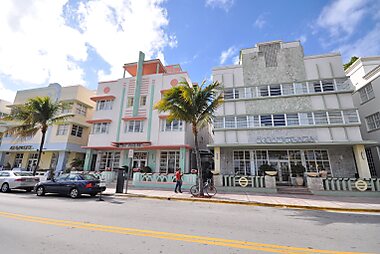

Ocean Drive runs along South Beach, lined with pastel 1930s hotels built in the Art Deco style that gave Miami Beach its look.
Just behind it, South Beach is the wide sand beach that put Miami on the map, busy with swimmers, volleyball games, and lifeguard stands painted in matching Art Deco colors.
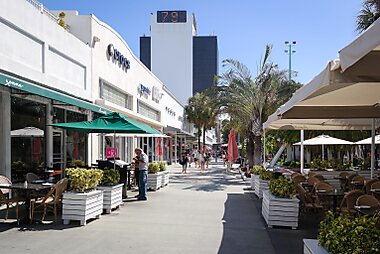
A few blocks away, Lincoln Road Mall is a pedestrian shopping street designed in 1960 by architect Morris Lapidus, now lined with cafes, shops, and street performers.
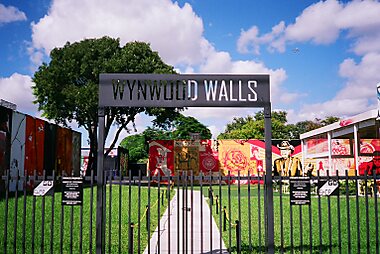
In the Wynwood neighborhood, Wynwood Walls is an outdoor museum of large-scale murals by international street artists, painted on the walls of a former warehouse district.
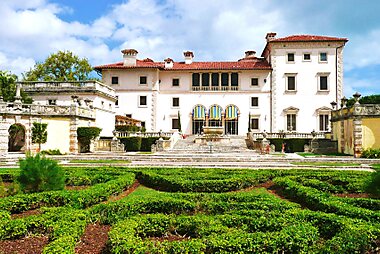
South of downtown, Vizcaya Museum and Gardens is an early-1900s Italian Renaissance-style villa and garden built for industrialist James Deering, one of the best-preserved Gilded Age estates in the country.
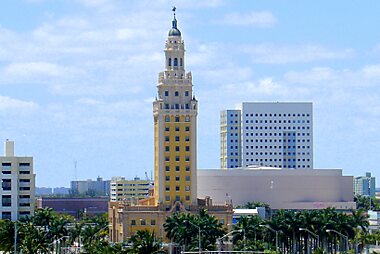
Freedom Tower at Miami Dade College processed hundreds of thousands of Cuban refugees after 1959 and is often called the "Ellis Island of the South"; it now houses a museum on that history.
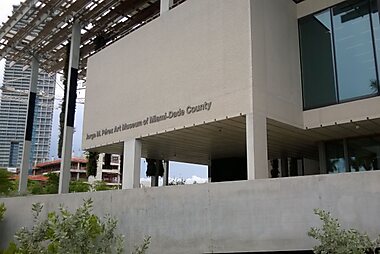
Overlooking Biscayne Bay, Pérez Art Museum Miami shows contemporary art from Latin America and beyond in a building designed with hanging gardens to handle Miami's heat.
In Little Havana, Calle Ocho is the neighborhood's main street, known for Cuban coffee windows, cigar shops, and murals honoring Cuban culture.
Empfohlene Listen


Miami's Marinas and Beaches
Miami’s waterfront is defined by a mix of industrial cruise infrastructure and recreational maritime spaces. This selection spans from the Port of Miami on Dodge Island to the historic marinas of Coconut Grove and the specialized shores of Virginia Key. Key locations include Dinner Key Marina, once a base for Pan Am seaplanes, and Hobie Island, a primary center for windsurfing and dog-friendly beach access along the Rickenbacker Causeway. The list also highlights dedicated fishing spots like the Rickenbacker Fishing Pier.
7 Orte
Top Museums & Art
Miami’s cultural scene spans from the Italian Renaissance-inspired Vizcaya Museum and Gardens to the cutting-edge contemporary galleries of the Design District and Wynwood. Major institutions like the Pérez Art Museum Miami showcase international modern works, while the Frost Museum of Science features a three-level aquarium and planetarium. Private collections, including the Rubell and de la Cruz collections, offer extensive displays of 20th and 21st-century art. The city also highlights regional history and heritage through HistoryMiami and the Haitian Heritage Museum, alongside the globally recognized street art of the Wynwood Walls.
15 Orte

Erlebnisse & Aktivitäten
Miami's best experiences are things you do outdoors or after dark, not sights you photograph.
- Watch a game of dominoes, or join in, at Domino Park in Little Havana, especially lively during Viernes Culturales, the last-Friday-of-the-month evening street festival.
- Watch the neon signs on Ocean Drive's Art Deco hotels switch on at dusk, a nightly ritual particular to South Beach.
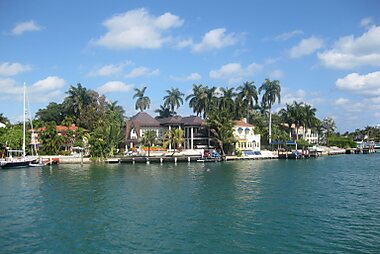
- Take a sunset boat cruise on Biscayne Bay past the mansions of Star Island.
- Visit Wynwood on the second Saturday of the month for the neighborhood's open-gallery art walk, when studios stay open late and the streets fill with live music.
Touren & Aktivitäten
Miami — Karte

 Interaktive Karte öffnen
 Tagesausflüge
Miami sits close to very different landscapes, from wetlands to another famous beach city, so day trips are easy to combine with a beach-focused stay.
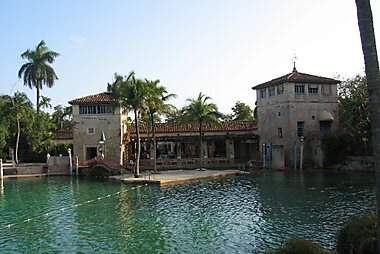
- Coral Gables (~20 min by car or bus): a planned 1920s suburb of Mediterranean Revival architecture. Swim in the spring-fed, historic Venetian Pool, and see the grand Biltmore Hotel nearby.
- Key Biscayne (~30 min by car): a barrier island reached by causeway, with a quieter beach than South Beach and the 1825 Cape Florida Light at its southern tip.
- Fort Lauderdale (~45 min by car or Brightline train): known for its canals and a livelier, less crowded beach scene than Miami Beach.
- Everglades National Park (~1-1.5 hours to the main entrance by car): the largest subtropical wetland in the US. Airboat tours from the park's edge get close to alligators and wading birds.
- Key Largo and the Florida Keys (~1-1.5 hours by car): the start of the Overseas Highway, with coral reefs just offshore for snorkeling and diving.
Anreise
- By air: Miami International Airport (MIA) is 10 km west of downtown; the Metrorail Orange Line connects the airport to downtown in about 30 minutes, or a taxi/rideshare takes 20-30 minutes depending on traffic. Fort Lauderdale-Hollywood International Airport, about 45 minutes north, is a common budget-airline alternative.
- By train: Brightline high-speed rail connects Miami's downtown station to Fort Lauderdale, West Palm Beach, and Orlando. Amtrak trains run from the East Coast to Miami Station, a separate facility northwest of downtown from Brightline's terminal.
- By bus: Long-distance coaches (Greyhound, FlixBus, and regional operators) arrive at the Miami Intermodal Center near the airport.
Unterwegs vor Ort
- Public transit: Miami-Dade Transit runs Metrorail (elevated train), the free Metromover loop downtown, and Metrobus routes. Pay with an EASY Card, the EASY Pay mobile app, or a contactless bank card tapped directly at the fare gate. Miami-Dade Transit
- Taxi / ride-hailing: useful for reaching areas the Metrorail doesn't cover, such as South Beach at night.
- On foot / cycling: walkable within South Beach, downtown, and Wynwood, but the city overall is spread out and often too hot and humid for long walks outside winter. Citi Bike bike-share stations cover the same walkable pockets.
Autofahren
- Is a car worth it?: Not needed for a South Beach or downtown stay, but useful for reaching Coral Gables, the Everglades, or the Keys in one day.
- Parking: Metered street parking and garages are available in South Beach and downtown; pay via the ParkMobile app. Weekend parking in South Beach is expensive and fills up by early afternoon.
- Restrictions: No congestion charge or low-emission zone, but some Art Deco district streets close to traffic during festivals and events.
Essen & Trinken
Cuban food defines Miami's dining scene: cafecito (sweet, strong espresso) at walk-up ventanita windows, croquetas, and the pressed Cuban sandwich are everyday staples rather than novelties. The wider Latin American and Caribbean population adds Peruvian, Venezuelan, and Haitian kitchens to the mix, especially in and around Little Havana.
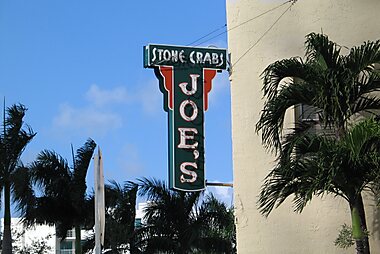
For an area rather than a single address, walk Calle Ocho for Cuban coffee windows and cafeterias. For a single distinctive restaurant, Joe's Stone Crab has served Florida stone crab since 1913 and remains the city's best-known seafood institution.
Sicherheit & Gesundheit
Miami is generally safe for tourists who stick to normal precautions in busy areas. The most common problems are not violent crime but petty theft: unattended bags and phones on the beach, and break-ins into rental cars parked at attraction lots, which sometimes target visible luggage or shopping bags.
The bigger everyday risk is the sun and heat rather than crime. UV levels are high year-round, and summer afternoon thunderstorms can bring dangerous lightning to the beach with little warning. Carry water, use sunscreen, and get off the beach when storms roll in.
Geschichte
Miami's modern history is short but fast-moving. The area was swampland with a small population until Julia Tuttle convinced railroad magnate Henry Flagler to extend his line here in 1896, the year Miami was incorporated. The 1920s land boom put Miami Beach on the map, but most of the pastel hotels that still line the beach were built in the rebuilding wave after a 1926 hurricane and the boom's collapse; a preservation campaign in the 1970s and 80s saved them from demolition and created today's Art Deco Historic District. Vizcaya Museum and Gardens, built between 1914 and 1922, survives from an earlier wave of wealthy northerners wintering in South Florida.
After Fidel Castro's 1959 revolution, hundreds of thousands of Cuban refugees arrived in Miami. Freedom Tower at Miami Dade College processed many of their arrivals and remains the clearest physical symbol of that history today.
Länderfakten
Quick practical facts for the United States at a glance:
- Währung
- US-Dollar USD $ · Kartenzahlung · Weitgehend akzeptiert
- Notrufnummern
- 911 Polizei · Rettungsdienst · Feuerwehr
- Stromnetz
- 120 V · 60 HzSteckertyp A / Steckertyp B
- Sprachen
- Englisch
- Leitungswasser
- Trinkbar
- Fahrseite
- Rechtsverkehr
- Telefonvorwahl
- +1


Miami – Plane deine Tage
Verwandle die Orte aus diesem Reiseführer in eine echte Reiseroute mit intelligenter Routenführung, Zeitschätzungen und allem für eine perfekte Reise.

