


Rauma
Rauma is a small port town on Finland's west coast, between Turku and Pori. Its heart is one of the largest wooden old towns in the Nordic countries, a UNESCO World Heritage Site where about 800 people still live and work. Colourful houses line narrow streets that keep their medieval plan, and shops, cafés and craft studios fill the ground floors.
The town has a strong identity of its own. Rauma is famous for bobbin lace, and locals still speak a unique dialect, Rauman giäl, full of words borrowed from sailors' Swedish, English and German. A second UNESCO site, a Bronze Age burial ground, lies in the forest east of town, and boats run to a lighthouse island in summer. Rauma suits a relaxed stay of one to three nights, ideally in summer.

Rauma – Planst du eine Reise?
Erstelle deine Reiseroute Tag für Tag in der Tripomatic-App.


Beste Reisezeit
Summer is the best time to visit. Days are very long, the archipelago boats run, and the seasonal house museums are open. Spring and autumn are cool and quiet. Winter is cold and dark, with snow most years.
The biggest event is Lace Week, a nine-day town festival at the end of July. It brings lace exhibitions, craft markets, concerts and guided walks to Old Rauma. Its highlight is Black Lace Night on the final Friday, when markets and events run late into the night. Book a room early for that week.
Top-Sehenswürdigkeiten


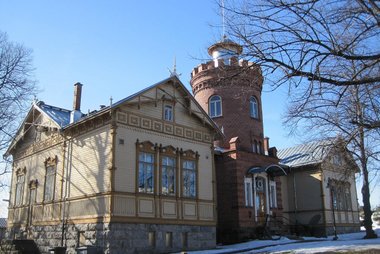
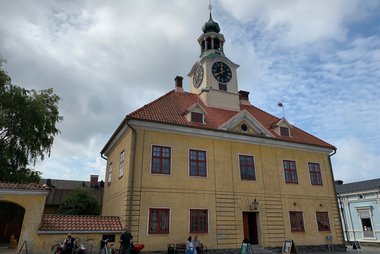
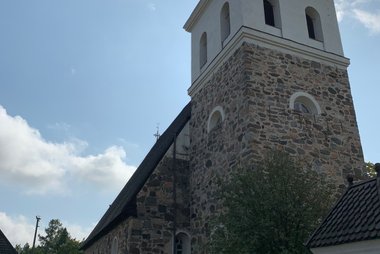
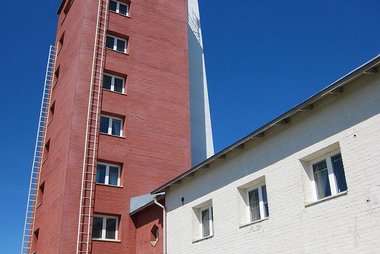
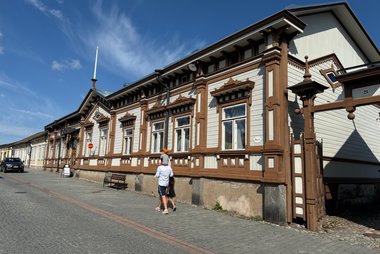
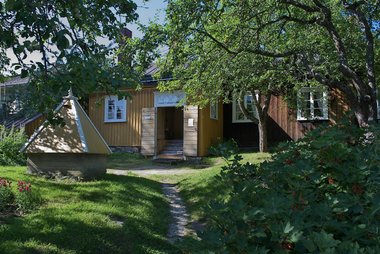
- Vanha Rauma is the reason most people come. About 600 wooden buildings stand on its streets, most from the 18th and 19th centuries, and the area is a UNESCO World Heritage Site.
- Pyhän Ristin kirkko was the church of the town's medieval Franciscan friary. Inside are well-preserved medieval wall and ceiling paintings.
- Rauma Old Town Hall from 1776 stands on the market square. Today it is one of the Rauma Museum sites.
- Marela is the elegant home of a wealthy shipowner family from Rauma's sailing-ship era. It also holds an exhibition on the story of Rauma lace.
- Kirsti is a small sailors' and craftsmen's home in one of Old Rauma's oldest houses. It shows how ordinary families lived and is open in summer.
- Rauma Maritime Museum is in the former maritime school by the harbour edge. Its exhibitions cover the town's long seafaring history.
- Bronze Age Burial Site of Sammallahdenmäki is Rauma's second UNESCO site, about 15 km east of the centre. Its 33 granite cairns, most from the Bronze Age, lie along a quiet forest ridge.
- Kylmäpihlaja is a lighthouse island in the outer archipelago. Its tower from 1953 has an observation deck with views over the open sea.
Empfohlene Listen

Erlebnisse & Aktivitäten
Some things are special to Rauma:
- Lace Week at the end of July: watch lace makers at work, browse the craft markets and join the evening of Black Lace Night.
- Bobbin lace demonstrations: Rauma has made fine lace since the 18th century, and you can often see lace makers working with bobbins at exhibitions and events.
- The Rauma dialect: listen for Rauman giäl in guided tours and storytelling events. Many of its words come from sailors' contact with foreign ports.
- A boat trip to the outer islands: from late May or June to September, boats run to Kylmäpihlaja, part of the Bothnian Sea National Park. You can eat in the lighthouse restaurant, use a sauna or stay overnight.
- An ice hockey game: the local team Rauman Lukko plays in Finland's top league at Äijänsuo Arena in the winter season. Hockey is a big part of local life.
Touren & Aktivitäten
Rauma — Karte

Tagesausflüge
Rauma sits on the main coast road, so several towns are an easy trip away.
- Uusikaupunki (about 50 km south, under an hour by car): a small seaside town with a wooden old quarter. The peace treaty of Nystad between Sweden and Russia was signed here in 1721.
- Pori (about 50 km north, about 1 hour by bus): a lively city with the long sandy beach of Yyteri. Its Pori Jazz festival in July is one of Finland's biggest music events.
- Turku (about 90 km south, about 1.5 hours by bus): Finland's oldest city, with a medieval castle, a cathedral and a riverside full of cafés.
Orte zum Entdecken
Rauma lies on the coast between two regions worth exploring. To the north, Pori is the nearest large city. To the south, Southwest Finland has Turku and a vast archipelago. Most international trips start or end in the capital, Helsinki.
Anreise
- By air: Pori Airport, about 50 km north, has domestic flights from Helsinki. Turku Airport is the closest airport with international flights; from Turku, continue by coach. Helsinki Airport has the most connections, and coaches to Rauma take about 4 hours.
- By train: Rauma has no passenger trains. Take a train to Turku or Pori and continue by bus.
- By bus: Coaches link Rauma with Turku in about 1.5 hours, Pori in about 1 hour and Helsinki in about 4 hours.
- By car: Rauma is on the E8 coast road between Turku and Pori.
Unterwegs vor Ort
- On foot: Old Rauma is compact and flat. Its cobbled streets are best explored on foot, and most sights are a few minutes apart.
- Local buses: Rauma local buses have one flat fare. Tap a bank card or phone on the reader when you board, or pay cash on the bus for a slightly higher price.
- Cycling: Rauma is flat and good for cycling. A bike or car is the practical way to reach the Bronze Age cairns east of town.
- Boats: In summer, scheduled island boats leave from Syväraumanlahti for the outer archipelago.
Autofahren
- Is a car worth it?: Not for Old Rauma, which you see on foot. A car is useful for the Bronze Age cairns and the countryside around town.
- Parking: Parking in Rauma is free. Some spaces have a time limit, so check the sign and show your arrival time, for example with a parking disc.
- Old Rauma: There are very few spaces inside the old town. Use one of the large car parks on its edge, a short walk from the sights.
Essen & Trinken
Rauma's best-known local dish is lapskoussi, a slow-cooked meat and vegetable stew that sailors brought home from foreign ports. For something sweet, try Rauma gingerbread with coffee.
The best place to eat and drink is Old Rauma itself. Cafés and restaurants fill the old wooden houses around the market square and along the main streets, and many have quiet courtyards that open in summer.
Sicherheit & Gesundheit
Rauma is a very safe town, and crime against visitors is rare. Normal care with your belongings is enough.
The main risks are physical. Cobbled streets and uneven courtyards can be slippery, and the streets are often icy in winter, so wear good shoes. Some house museums have steps and high thresholds. On boat trips to the outer islands, bring warm, windproof clothes even in summer. In an emergency, call 112.
Geschichte
Franciscan friars settled here in the Middle Ages, and Rauma received its town privileges in 1442. The friary church survives as Pyhän Ristin kirkko. Nearby stand the ruins of the Church of the Holy Trinity, which burned in a great fire in 1640.
Fires in 1640 and 1682 destroyed much of the town. It was rebuilt in wood on the old street plan, and the oldest houses in Vanha Rauma date from the 18th century. Rauma Old Town Hall was built in 1776.
The sea made Rauma rich. In 1897 the town had the largest fleet of sailing ships in Finland. Shipowners built fine homes such as Marela, while sailors' families lived in small houses like Kirsti. Contact with foreign ports shaped the local dialect, and lace making became the town's best-known craft. Today Rauma has one of Finland's largest ports.
Länderfakten
Quick practical facts for Finland at a glance:
- Währung
- Euro EUR · Kartenzahlung · Weitgehend akzeptiert
- Notrufnummern
- 112
- Stromnetz
- 230 V · 50 HzSteckertyp C / Steckertyp F
- Sprachen
- Finnisch, Schwedisch
- Leitungswasser
- Trinkbar
- Fahrseite
- Rechtsverkehr
- Telefonvorwahl
- +358


Rauma – Plane deine Tage
Verwandle die Orte aus diesem Reiseführer in eine echte Reiseroute mit intelligenter Routenführung, Zeitschätzungen und allem für eine perfekte Reise.


Ähnliche Reiseziele


Data: © OpenStreetMap contributors, Wikidata, Wikipedia, Tripomatic, Official websites, geoBoundaries (CC BY 4.0). Tours by GetYourGuide. We earn commission from bookings. Travel guide generated with AI.