


Austria
Austria offers a distinct mix of Alpine natural beauty and a long imperial history. The country's landscape ranges from high mountains and clear lakes in the west to rolling hills and historic cities in the east. Centuries of Habsburg influence have shaped its architecture, culture, and arts, making it a destination for those interested in both outdoor activities and European heritage.
Travelers can find varied experiences across Austria's regions. Western areas like Tyrol and Vorarlberg are known for skiing, hiking, and mountain views. In the east, cities such as Vienna, Salzburg, and Graz feature palaces, cathedrals, and a strong tradition of classical music. Austria suits visitors looking for both nature exploration and cultural city trips.



Austria – Planning a Trip?
Build your day-by-day itinerary in the Tripomatic app.


Money & payments
Carry some local currency for small purchases, local markets, or mountain huts, since card acceptance outside cities and tourist areas can be inconsistent.
For budget travelers, expect affordable hostels and guesthouses, with meals often from supermarkets or casual eateries. Mid-range visitors can enjoy comfortable hotel accommodations and dine at a wider selection of restaurants, experiencing more of Austria's culinary offerings.
Featured Lists

Austria Essentials
Austria's landscape is defined by the Alpine peaks of the Hohe Tauern and the architectural legacy of the Habsburg Empire. This collection spans from the Gothic spires of St. Stephen’s Cathedral and the Baroque splendor of Schönbrunn Palace in Vienna to the medieval fortresses of Salzburg. Natural landmarks include the 3,798-meter Grossglockner and the Krimml Waterfalls. Cultural sites highlight the country’s history, from the world's oldest salt mine in Hallstatt to the engineering of the Semmering Railway and the somber memorial at Mauthausen.
18 places


Museums & Castles
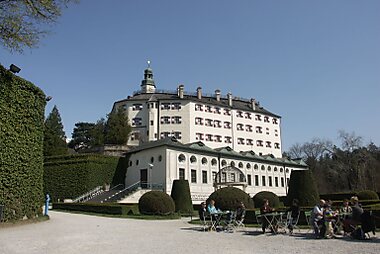
This collection spans Austria's imperial legacy and medieval defense, from the Baroque splendor of Vienna’s Schönbrunn and Belvedere palaces to the hilltop fortresses of Hohensalzburg and Hohenwerfen. It features significant cultural sites like Mozart’s Birthplace in Salzburg and the Renaissance treasures of Ambras Castle. Specialized exhibits include the prehistoric salt mining history in Hallstatt, the contemporary art and aviation of Red Bull Hangar-7, and the crystalline installations at Swarovski Crystal Worlds.
19 places


Alpine Huts & Mountain Access
This collection features 18 key locations in the Austrian Alps, including alpine huts maintained by various Alpine clubs, notable mountain peaks such as Barmer Spitze and Piz Buin, important mountain passes like Bielerhöhe and Hochtannbergpass, and cable car stations providing access to major ski resorts such as Silvretta Arena and Pitztaler Gletscher. The list highlights infrastructure supporting mountain sports and alpine exploration across Tirol and Vorarlberg regions.
18 places


Natural Wonders
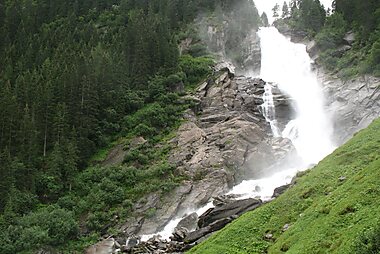
Austria's landscape features diverse geological formations, from the 380-meter-high Krimml Waterfalls to the Eisriesenwelt, the world's largest ice cave system. The alpine region includes the Achensee, known as the Tyrolean Sea for its windsurfing conditions, and the Wolfsklamm gorge in Tyrol. Urban green spaces like Innsbruck's Hofgarten contrast with rugged sites like the Gasteiner Wasserfall, which drops through the center of a historic spa town.
10 places

Castles & Historic Landmarks
Austria's architectural legacy spans from the sprawling Baroque estates of the Habsburg dynasty in Vienna to formidable medieval strongholds perched on volcanic peaks and riverbanks. This selection highlights the country's dual heritage: the imperial grandeur of Schönbrunn and Belvedere palaces, and the strategic importance of fortresses like Hohensalzburg and Kufstein. Alongside these monuments, historic town halls in Graz and Hallstatt showcase centuries of municipal history and regional craftsmanship, featuring Renaissance and Gothic design elements.
17 places

Lakes & Waterfalls
Austria's Alpine landscape features a diverse collection of water-based natural landmarks. This selection includes the 380-meter Krimml Waterfalls, the highest in the country, and the Stuibenfall, Tyrol's tallest cascade. Major bodies of water range from the UNESCO-listed Lake Neusiedl, Central Europe’s largest endorheic lake, to the deep glacial waters of Lake Atter and the fjord-like Achensee. Other notable sites include the seasonal Grüner See in Styria and the high-elevation Alpenzoo, which focuses on indigenous Alpine wildlife species.
15 places


Tours & Activities
Austria — Map

 Open the interactive map
 Tipping
Tipping is a common practice in Austria, reflecting appreciation for good service across various establishments. While service charges are often included in restaurant and bar bills, a small additional tip is customary, especially for attentive staff. For services like taxis, hotels, and guided tours, tipping is also a way to acknowledge quality and effort.
5-10%
round up
round up
1-2 EUR/day
a few EUR
Electricity
Austria uses Type C and F plugs at 230 V / 50 Hz. Most modern chargers are compatible.
Language
Austria's official language is German. In cities and popular tourist areas, English is widely spoken, particularly by younger generations and those in the service industry. In more rural regions, English may be less common, so a few basic German phrases can be useful.
Staying connected
Travelers to Austria can easily purchase local SIM cards or eSIMs from major mobile providers such as A1, Magenta, and Drei. These are available at airports, official brand stores, and many electronics retailers or supermarkets. Prices vary based on data allowance and validity. No significant phone band compatibility issues are expected for modern smartphones. Austria has no internet censorship or content restrictions.
Safety & emergencies
Austria is a very safe country with a low crime rate. Tourists should generally feel secure. The main concern for visitors is petty theft, particularly pickpocketing. This can occur in crowded areas like major train stations, public transport, popular markets, and around main tourist attractions, especially in larger cities such as Vienna or Salzburg. Always keep an eye on your belongings and be aware of your surroundings. While rare, exercise caution in isolated or poorly lit areas late at night, as you would in any major city.
Health
Tap water in Austria is safe to drink throughout the country.
Pharmacies, called Apotheken, are widely available in cities and towns. They operate during standard business hours. For urgent needs outside these hours, an emergency service (Bereitschaftsdienst) ensures at least one pharmacy is open in the area; look for signs on pharmacy doors or check local online listings.
No specific vaccinations are required for travel to Austria beyond routine immunizations. If planning extensive outdoor activities in forested areas, especially during warmer months, discuss tick-borne encephalitis (TBE) vaccination with your doctor. Always use sun protection, particularly in the mountains or during summer.
Visas & entry
Austria is part of the Schengen Area. Citizens from the EU, EEA, and Switzerland have free movement for entry and residence. Many other nationalities, including those from the US, Canada, UK, Australia, and New Zealand, can enter visa-free for tourism or business. Stays are limited to 90 days within any 180-day period. Travelers from other countries generally need a Schengen visa, which must be obtained from an Austrian embassy or consulate in their home country before arrival.
Visa and entry requirements change frequently. Verify current requirements with the official immigration authority or your country's embassy before travel. Austrian Ministry for European and International Affairs
Etiquette
Austrian culture values politeness and good manners. When greeting strangers, use a handshake and phrases like "Guten Tag" (good day) or "Grüß Gott" (a common greeting in southern Austria). Use the formal "Sie" when addressing service staff or new acquaintances, rather than the informal "du," unless invited to switch.
When visiting churches or other religious sites, dress modestly. Ensure your shoulders and knees are covered. Photography is generally permitted, but always ask permission before taking pictures of individuals. Some museums may have specific restrictions.
Bargaining is not customary in retail stores or restaurants; prices are fixed. Austrians also appreciate punctuality and quiet, especially in residential areas during evening hours.
Holidays & opening hours
On public holidays in Austria, most shops, banks, and post offices close, and public transport may operate on a reduced schedule. Plan your activities and purchases accordingly.
Outside of major tourist areas, many shops and smaller businesses in Austria close on Sundays. Some may also observe a midday break for lunch, typically between 12 PM and 2 PM.
Getting around
- By train: Austria has an excellent and extensive rail network connecting all major cities and many smaller towns. ÖBB (Austrian Federal Railways) operates most services. Book tickets and check schedules via oebb.at. Key routes connect Vienna, Salzburg, Innsbruck, and Graz.
- By bus: Intercity buses offer an alternative, sometimes cheaper option for travel between cities and to destinations not directly served by train.
- By car: A motorway vignette is required for Austrian motorways and expressways — see the driving section below for costs and where to buy it.
- By air: Domestic flights are generally not time-efficient for most tourist routes due to Austria's compact size and efficient train system. They may be considered for travel between distant regions like Vienna and Vorarlberg.
Driving
Driving in Austria is straightforward, but visitors should be aware of specific rules and requirements.
Key Rules
- Mandatory equipment: Carry a reflective safety vest, a first-aid kit, and a warning triangle.
- Winter tires: Between November 1 and April 15, winter tires are mandatory in winter conditions (snow, slush, ice). Snow chains are an alternative if summer tires are fitted.
- Alcohol limit: The legal blood alcohol limit is 0.05%.
Tolls and Vignettes
Motorways and expressways require a digital vignette ("digitale Vignette"), registered to your license plate before entering.
- Purchase: Buy online via ASFINAG shop or at petrol stations and border crossings.
- Special tolls: Some tunnels and mountain passes (e.g., Brenner Autobahn, Tauern Autobahn) charge additional separate tolls, on top of the vignette.
Parking and Low-Emission Zones
Paid parking is standard in city centers — look for blue zones (parking disc or ticket machine) or parking garages ("Parkgaragen"); apps are common alongside meters. A few cities have "Umweltzonen" (low-emission zones) that mainly affect older diesel vehicles used for commercial transport; tourist cars are rarely impacted.
Fuel
- Fuel stations are mostly self-service, with card payment at the pump widely available.
- Petrol is labeled "Super" (95 octane) or "Super Plus" (98 octane); diesel is labeled "Diesel."
Electric Vehicles
Charging stations are common along major routes and in cities, with providers including SMATRICS, Ionity, and EnBW. Roaming apps like ChargePoint or PlugShare help locate compatible chargers.
Food & drink
Austrian cuisine is known for its hearty and flavorful dishes, often influenced by its imperial history. Breakfast typically features bread rolls, cold cuts, cheese, and coffee. Lunch is traditionally the main hot meal of the day, though many also enjoy a hot dinner. Iconic dishes to try include Wiener Schnitzel, a thin, breaded veal cutlet, and Tafelspitz, tender boiled beef served with root vegetables, horseradish, and apple sauce. Goulash, a rich meat stew, is another popular and comforting choice.
For snacks or quick bites, local Würstel (sausage) stands are common. Austria is renowned for its elegant coffee house culture, where you can savor various coffee creations alongside exquisite pastries like Apfelstrudel or the famous Sachertorte. Kaiserschmarrn, a fluffy shredded pancake often served with fruit compote, is another beloved sweet treat. Popular local drinks include Austrian wines, particularly white varieties such as Grüner Veltliner, and various local beers. Almdudler is a refreshing herbal soda. Locals often dine in traditional Gasthäuser (inns) or Beisln (pubs) for authentic meals.
Where to explore
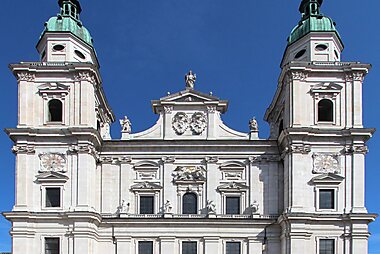
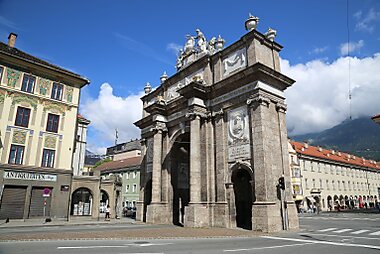
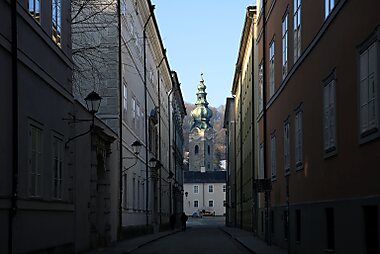
Austria offers diverse experiences, from imperial cities to alpine landscapes. The capital, Vienna, is known for its history, art, and cultural life. Explore Salzburg for its Baroque architecture and musical heritage, or the lakeside village of Hallstatt in the Salzkammergut. In the west, Innsbruck in Tyrol provides access to stunning mountain scenery and outdoor activities.
Discover Graz, whose historic centre is a UNESCO World Heritage site, or the modern city of Linz along the Danube. The regions of Upper Austria, Carinthia, and Vorarlberg are ideal for lake visits, hiking, and winter sports. Lower Austria is known for the Danube's Wachau wine valley, Styria for its green hills and wine roads, and Burgenland for the wine country around Lake Neusiedl.
Austria – Plan Your Trip
Pick the places you want to see and Tripomatic turns them into a day-by-day route, with smart routing, time estimates, and everything you need for a perfect trip.