

Vienna
Vienna, Austria's capital, invites visitors to explore its imperial past and rich cultural heritage. As the former center of the Habsburg Empire, the city is defined by its grand palaces, extensive museums, and renowned opera houses. It is a destination for travelers who appreciate history, classical music, and architectural splendor.
The city is famous for its coffeehouse traditions and culinary scene. It has a deep connection to musical legends like Wolfgang Amadeus Mozart and Ludwig van Beethoven. Vienna offers art, music, and elegant green spaces, ideal for a trip steeped in European heritage.

Vienna – Planning a Trip?
Build your day-by-day itinerary in the Tripomatic app.
When to visit
Spring and autumn offer mild, pleasant weather, ideal for exploring Vienna's many sights. Summers are warm, with average highs in the mid-20s °C, and can see occasional afternoon rain. Winter brings cold temperatures, often dropping below freezing, creating a festive atmosphere for the city's famous Christmas markets, which are a major draw from late November through December.
Best time to visit: June, September
Top sights
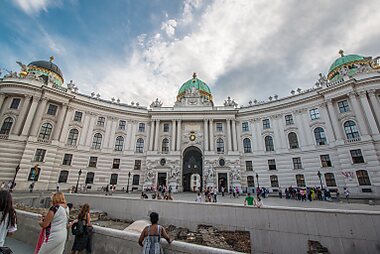

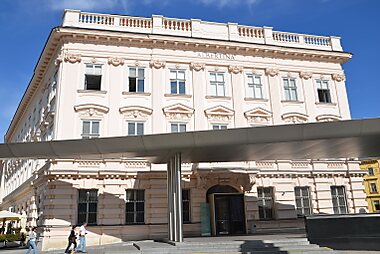
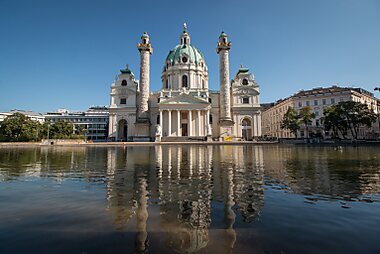
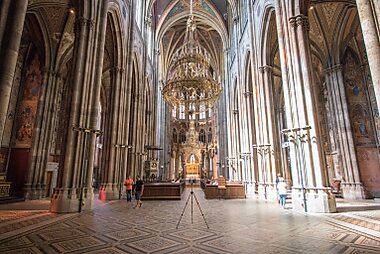
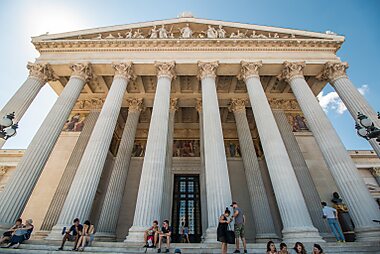
Hofburg Palace is the former imperial residence of the Habsburg monarchy. This vast complex offers a deep dive into centuries of royal history.
Experience world-class opera at Vienna State Opera. Its opulent interior hosts a packed schedule of performances.
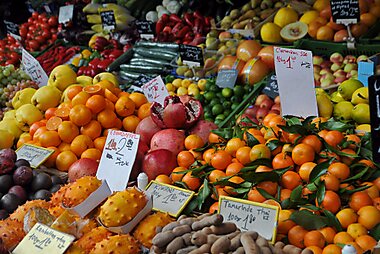
Wander through Vienna's most famous market, Naschmarkt. Here you will find an extensive array of local and international foods, spices, and delicacies.
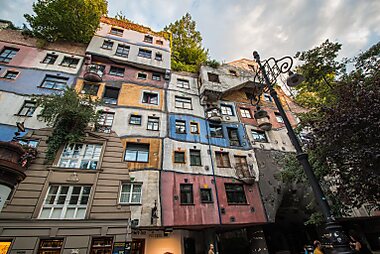
Admire the unique and colorful architecture of Hundertwasser House. Its unconventional design by Friedensreich Hundertwasser is a true landmark.
Albertina Museum houses one of the world's largest print rooms within a grand Habsburg palace. The museum also features significant art exhibitions.
Marvel at the Baroque splendor of St. Charles's Church. Its distinctive dome and twin columns are a prominent part of Vienna's skyline.
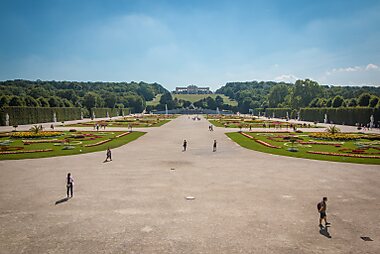
Stroll through the magnificent Baroque gardens of Schönbrunn Palace Gardens. Enjoy the extensive landscaping and impressive views.
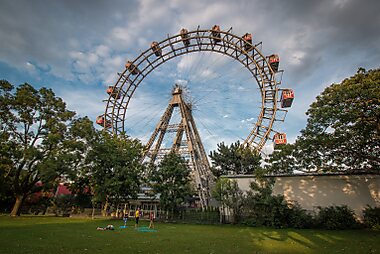
Wurstelprater provides a classic amusement park experience. Ride the iconic Giant Ferris Wheel for superb city views.
Featured Lists


Vienna Editor's Choice
A hand-picked mix of Vienna's most rewarding sights: imperial crypts, Art Nouveau churches, Hundertwasser's playful architecture and quiet corners few visitors reach.
15 places

Vienna Heritage Highlights
This collection highlights Vienna's architectural gems including the colorful Hundertwasserhaus and its artistic Art House Vienna counterpart. It features historic sites such as the expansive Mannerist Neugebäude Palace, the hunting lodge Hermesvilla, and various castles and heritage buildings. The list also includes specialized museums and unique markets that showcase Vienna's rich cultural and artistic heritage.
20 places

Historic Churches of Vienna
From the Gothic spire of St. Stephen's to Baroque St. Charles's and Otto Wagner's Art Nouveau church, Vienna's sacred buildings span a thousand years of architecture.
13 places
Vienna's Grand Palaces
Habsburg residences and noble city palaces, from Schönbrunn and the Hofburg to the Belvedere and Liechtenstein's Baroque showpiece.
14 places


Audio Guides – Vienna
Explore on foot with a self-guided audio tour that narrates each stop as you reach it.


Hear Vienna's audio tours
1 walk in Audio Guides by Tripomatic


What to experience
Vienna offers unique cultural rituals and activities that go beyond traditional sightseeing.
- Viennese Coffee House Culture: Embrace the city's celebrated coffee house culture. Spend an afternoon at a grand institution like Café Central, lingering over a coffee and a pastry.
- Classical Performance: Attend a world-class opera at the magnificent Vienna State Opera or a classical concert, experiencing Vienna's deep musical legacy firsthand.
- Riesenrad Views: Ride the historic Giant Ferris Wheel in the Wurstelprater for iconic views across the city skyline.
- Lipizzaner Horses: Witness the grace and precision of the Lipizzaner horses at a training session or performance at the Spanish Riding School.
- Seasonal Markets: (Winter) Explore Vienna's festive Christmas markets, such as the one in front of Rathauspark, for seasonal treats and crafts.
Tours & Activities
Vienna — Map

 Open the interactive map
 Day trips
From Vienna, explore charming towns, historic sites, and natural beauty with these accessible day trips.
- Wachau Valley: A UNESCO World Heritage site known for its rolling vineyards, medieval castles, and picturesque villages like Dürnstein. Reachable in about an hour by train or car to towns like Krems or Melk. Consider a boat trip along the Danube.
- Bratislava, Slovakia: Europe's closest capital city neighbor, just an hour away by train or bus. Explore its charming Old Town, visit Bratislava Castle, and enjoy the unique atmosphere.
- Salzburg: The birthplace of Mozart and setting for "The Sound of Music." This UNESCO city offers Baroque architecture, majestic fortresses, and stunning Alpine views. Approximately 2.5 hours by train.
- Graz: Another Austrian UNESCO World Heritage city, blending historic charm with modern design. Discover the Schlossberg hill, the Kunsthaus, and its vibrant culinary scene. About 2.5 hours by train.
Getting there
By air: Vienna International Airport (VIE) is the main international gateway, located about 20 km southeast of the city. The City Airport Train (CAT) provides express service to Wien Mitte station in 16 minutes for approximately €15. S-Bahn commuter trains offer a more economical option, reaching the city center in about 25 minutes for around €5.40.
By train: Vienna is a major rail hub with excellent connections across Europe. High-speed trains connect to cities such as Prague, Budapest, Salzburg, and Munich. The main railway stations are Wien Hauptbahnhof (main station) and Wien Meidling.
By bus: Long-distance coach services, including operators like FlixBus, connect Vienna to many European cities and neighboring countries, offering an affordable alternative for travel to destinations like Bratislava, Budapest, and Prague.
Getting around
- Vienna offers a comprehensive public transport system, including U-Bahn (metro), trams, and buses, operated by Wiener Linien. Tickets can be bought at U-Bahn stations, online, or using the official Wiener Linien app. Various passes, including 24/48/72-hour tickets, are available for tourists.
- Ride-hailing services like Uber are widely available. Traditional taxis can be hailed on the street or found at designated stands throughout the city.
- Vienna's city center is highly walkable, making it easy to explore many attractions on foot. The city also has a well-developed network of bike lanes and bike-sharing programs for cycling.
Food & drink
Vienna's culinary scene is famous for its elegant coffeehouse culture and hearty traditional dishes. Classic Viennese cuisine includes the iconic Wiener Schnitzel, a breaded veal cutlet, and Tafelspitz, boiled beef served with horseradish and apple. The city's sweet tooth is satisfied by pastries like Apfelstrudel and the rich Sachertorte.
For a diverse culinary experience, explore the Naschmarkt, a bustling market offering everything from local produce to international street food. Experience Vienna's famed coffeehouse tradition at Café Central, a historic institution. Beyond these, look for traditional Gasthäuser (inns) throughout the Innere Stadt (city center) for authentic Viennese meals.
Safety & health
Vienna is a very safe city for visitors. Petty crime, such as pickpocketing and bag snatching, is the most common issue. These incidents can occur in crowded tourist areas, on public transport, and at busy markets like Naschmarkt. Always keep your valuables secure and be aware of your surroundings in these areas.
Tap water in Vienna is safe and excellent to drink directly from the tap.
History
Vienna's story began as the Roman camp Vindobona, evolving into a significant medieval center. The city's identity was profoundly shaped by the Habsburg dynasty, whose centuries-long rule left an indelible mark on its architecture and culture. You can explore their immense legacy at the imperial Hofburg Palace, the magnificent Belvedere complex with its vast Schönbrunn Palace Gardens, and the solemn Imperial Crypt where many emperors rest. The city also withstood great challenges, including the Ottoman sieges of 1529 and 1683, which forged a resilient spirit.
The late 19th and early 20th centuries brought a cultural explosion, an era of artistic and intellectual ferment. This period is reflected in the elegant Art Nouveau architecture of the Secession Building. Later, the city's architectural diversity expanded with unique creations like the distinctive Hundertwasser House. Iconic coffee houses like Café Central became hubs for thinkers and artists. Today, Vienna remains a vibrant European capital, blending its imperial past with a dynamic contemporary scene.
Country facts
Quick practical facts for Austria at a glance:
- Currency
- Euro EUR € · Card payments · Commonly accepted
- Emergency numbers
- 112
- Electricity
- 230 V · 50 HzType C / Type F
- Languages
- German
- Tap water
- Safe to drink
- Driving side
- Right
- Calling code
- +43


Vienna – Plan Your Days
Turn the places from this guide into a real itinerary, with smart routing, time estimates, and everything you need for a perfect trip.