


Barcelona
Barcelona is Catalonia's capital and Spain's second-largest city, spread between the Mediterranean Sea and a ring of hills. It packs Roman ruins, a medieval old town, and the curving buildings of Antoni Gaudí into one compact, walkable center. The result suits travelers who want a mix of beach time, architecture, food, and nightlife in a single trip.
The city rewards a few days of unhurried walking. Wander from the Gothic Quarter's narrow lanes to the wide boulevards of the Eixample, then down to the waterfront for a swim or a seafood lunch. Antoni Gaudí remains the name most associated with the city, and his buildings define much of what travelers come to see.

Barcelona – Planning a Trip?
Build your day-by-day itinerary in the Tripomatic app.
When to visit
Spring (April–June) and autumn (September–October) are the most pleasant seasons, with warm days and little rain. Summer is hot and humid, with afternoon highs often near 30°C in July and August, though it is also peak beach season. Winter is mild for Europe and rarely drops below freezing.
Plan around La Mercè, Barcelona's biggest annual festival in late September (around the 24th), when the streets fill with human towers (castells), fire-runs (correfocs), and free concerts.
Best time to visit: May, June, July, September, October
Top sights

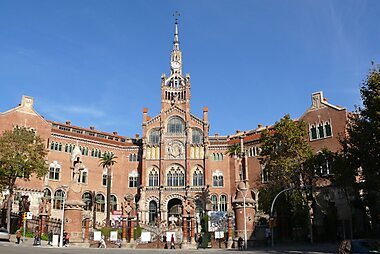

Sagrada Família Church is Antoni Gaudí's unfinished basilica and the city's most recognizable landmark, still under construction more than a century after work began.
Climb the terraces of Park Güell for tiled mosaics, curved stone benches, and wide views over the city and the sea.
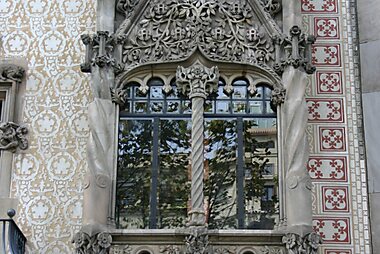
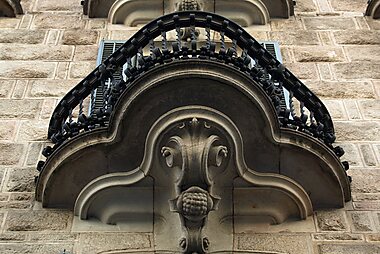
On the elegant Passeig de Gràcia, Casa Batlló and La Pedrera - Casa Milà show off Gaudí's flowing, almost organic facades, a short walk apart from each other.
The Gothic Quarter centers on Cathedral of Santa Eulalia, a Gothic-era cathedral surrounded by narrow medieval lanes, quiet squares, and fragments of the old Roman wall.
La Rambla runs from Plaça Catalunya down to the harbor, lined with street performers, flower stalls, and cafés, and stays busy at all hours.
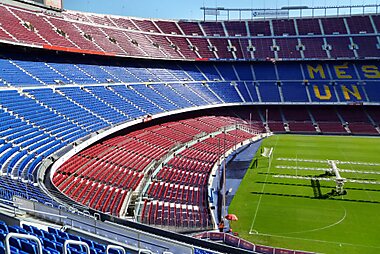
Spotify Camp Nou, home to FC Barcelona, is being rebuilt into one of the largest stadiums in the world; while the renovation continues, visitors can still take the Barça Immersive Tour to see the museum and a construction viewpoint.
On Montjuïc hill, Montjuïc Castle looks out over the port and the whole city, and the hillside park around it makes for an easy afternoon away from the crowds below.
Featured Lists


Nightlife & Flamenco Highlights
This selection highlights Barcelona’s evening scene, pairing two dedicated flamenco tablaos — Palacio del Flamenco and Tablao de Carmen, both offering live dancers and guitar — with cultural nightspots like Poble Espanyol, an open‑air 1929 exhibition village that stages evening shows, and La Boqueria market for tapas. The list also includes a range of late‑night venues: traditional clubs and live‑music spaces for DJs, concerts and late tapas in different city neighborhoods.
8 places

Audio Guides – Barcelona
Explore on foot with a self-guided audio tour that narrates each stop as you reach it.

Best of Barcelona: Historic Core
99 min4.5 km11 stops
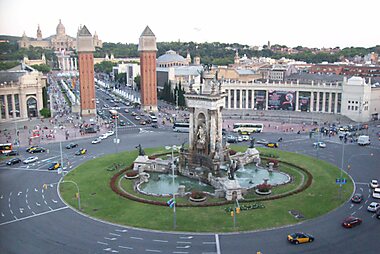
Walk the compact medieval heart that Barcelona was actually built around: from the grand crossroads of Plaça de Catalunya, down La Rambla's promenade, through the stone alleys of the Gothic Quarter to the cathedral and the seats of Catalan power, and across into El Born for the people's basilica and Picasso's early years, through the monumental arch built for the 1888 World's Fair, and finishing at the Cascada Monumental fountain in the park just beyond it. Start at Plaça de Catalunya, reachable by metro, train, or bus from anywhere in the city.

Gaudí's Barcelona: The Eixample Trail
52 min2.4 km6 stops
Walk the grid Barcelona built outward from its medieval core, following Antoni Gaudí's mark on it: from the rival modernista mansions of the Block of Discord, up Passeig de Gràcia and Avinguda Diagonal past the residential fantasies of La Pedrera, Casa Comalat and Casa de les Punxes, to Palau Macaya and finally the still-unfinished Sagrada Família. Start at Passeig de Gràcia, reachable by metro from anywhere in the city.

Hear Barcelona's audio tours
2 walks in Audio Guides by Tripomatic


What to experience
- Catch the Magic Fountain of Montjuïc's evening water-and-light show, timed to music, on a summer weekend evening.
- Watch castellers build human towers during a local festival, especially at La Mercè in September.
- Ride the Tramvia Blau, a restored 1901 tram, up to the base of the Tibidabo funicular for the ride itself, not just the destination.
- Join the bonfires and fireworks on the beach on the night of Sant Joan (June 23), one of the biggest party nights of the year.
- Cycle or walk the long beachfront promenade from Barceloneta to the Fòrum, especially at sunset.
- Catch sunset from the old anti-aircraft bunkers at Búnquer del Carmel, a hillside viewpoint locals use as a picnic spot.
Tours & Activities
Barcelona — Map

 Open the interactive map
 Day trips
Barcelona sits close to beaches, mountains, and wine country, so a day trip is an easy add to any stay.
- Sitges — around 40 minutes by train; a relaxed beach town with a historic old center and a lively promenade.
- Sant Sadurní d'Anoia and the Penedès wine region — around 45 minutes by train; the heart of Catalonia's cava (sparkling wine) production, with cellar tours and tastings.
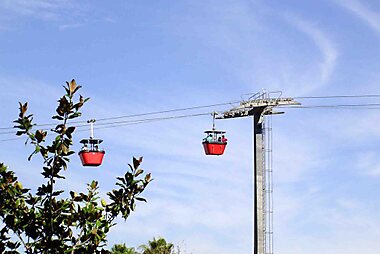
- Monistrol de Montserrat — around 1 hour by train plus a cable car or rack railway up the mountain to the monastery; a dramatic site built into jagged rock, with hiking trails and sweeping views.
- Girona — around 1 to 1.5 hours by train; a walled medieval old town with a well-preserved Jewish quarter and a cathedral with the widest Gothic nave in the world.
- Tarragona — around 1 to 1.5 hours by train; Roman ruins including a well-preserved amphitheater, all a UNESCO World Heritage Site.
Book the Montserrat cable car or rack railway ticket in advance in peak season, since it can sell out.
Getting there
- By air: Barcelona–El Prat Airport (BCN) is about 12 km southwest of the center. The R2 Nord train reaches Barcelona Sants and Passeig de Gràcia in about 25 minutes; the Aerobús runs to Plaça Catalunya in 30–35 minutes. Both cost far less than a taxi, which takes about the same time in normal traffic.
- By train: Barcelona Sants is the main station, with high-speed AVE trains from Madrid (around 2.5 hours) and connections along the coast to France. Regional trains link Barcelona to nearby towns and the airport.
- By bus: Barcelona Nord bus station handles long-distance coaches from across Spain, Portugal, and the rest of Europe.
Getting around
- Metro, bus, and tram (TMB): the metro covers most of the city and runs until around midnight (later on weekends). Buy single tickets or a T-casual 10-trip card at station machines, or tap a contactless bank card or phone directly at the gate. Barcelona transit authority (TMB)
- Taxi and ride-hailing: black-and-yellow taxis are easy to hail on the street; Uber and Cabify also operate.
- On foot: the old town, Eixample, and waterfront are flat and easy to explore on foot, though distances between neighborhoods add up.
- Cycling: dedicated bike lanes cover much of the city, though the public Bicing bike-share scheme is for residents only; several operators rent bikes to visitors by the day.
Driving
- Is a car worth it?: no. Traffic, narrow one-way streets, and expensive parking make a car a burden in the city center; public transit and walking cover everything within Barcelona itself. Renting a car makes sense only for day trips into the wider region.
- Parking: metered blue and green zone street parking (Àrea Verda) applies across most neighborhoods; pay by app or machine. Public car parks near the center cost more but guarantee a spot.
- Restrictions: a low-emission zone (Zona de Baixes Emissions) covers most of the city inside the ring roads. Vehicles without a Spanish DGT environmental sticker can be fined on weekdays; check eligibility before driving in.
Food & drink
Catalan cooking leans on the coast and the countryside in equal measure: fresh seafood, rice and noodle dishes like fideuà, and hearty stews alongside grilled meats and mountain-cured sausages. Pa amb tomàquet — bread rubbed with ripe tomato, olive oil, and salt — appears at nearly every meal.
For a real taste of the city, browse Mercat de Sant Josep - La Boqueria, a covered market where stallholders sell everything from fresh oysters to quick tapas at standing counters. Beyond the market, the streets of El Born and Gràcia cluster with small tapas bars, and a pre-dinner vermut (vermouth) with olives is a local ritual worth joining.
Safety & health
Barcelona is generally safe, but it has one of Europe's highest rates of pickpocketing and bag-snatching, especially on La Rambla, the metro, crowded buses, and the beach. Keep bags zipped and in front of you, and be wary of distraction scams (someone spilling something on you, offering unsolicited "help," or asking you to sign a petition).
Watch belongings closely on the beach, and never leave bags or phones unattended on the sand while swimming.
History
Barcelona began as the Roman colony of Barcino, and fragments of its Roman walls and an underground archaeological site still sit beneath the Cathedral of Santa Eulalia and the surrounding Gothic Quarter. The medieval city grew wealthy as a Mediterranean trading power, leaving behind the Gothic squares and merchant houses still standing today.
The 19th and early 20th centuries transformed the city again. The 1888 Universal Exposition turned the old citadel grounds into today's Ciutadella Park, and a wave of Catalan Modernisme architects — led by Antoni Gaudí — reshaped the Eixample district with buildings like Casa Batlló. A young Pablo Picasso spent his formative teenage years in Barcelona; the Picasso Museum traces this early period through an extensive collection of his student work.
The 1992 Summer Olympics opened up the long-neglected waterfront, turning industrial land around Olympic Port into the beaches and marina Barcelona is known for today.
Country facts
Quick practical facts for Spain at a glance:
- Currency
- Euro EUR € · Card payments · Widely accepted
- Emergency numbers
- 112
- Electricity
- 230 V · 50 HzType C / Type F
- Languages
- Spanish
- Tap water
- Safe to drink
- Driving side
- Right
- Calling code
- +34


Barcelona – Plan Your Days
Turn the places from this guide into a real itinerary, with smart routing, time estimates, and everything you need for a perfect trip.




