



Belize
Belize is Central America's odd one out: the only English-speaking country in the region, with a population under half a million spread across jungle, savanna, and hundreds of small islands. Spanish, Belizean Kriol, and several Maya languages are also spoken every day, and the culture blends Maya, Mestizo, Creole, and Garifuna traditions rather than following one national style.
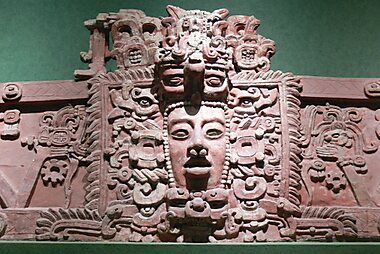
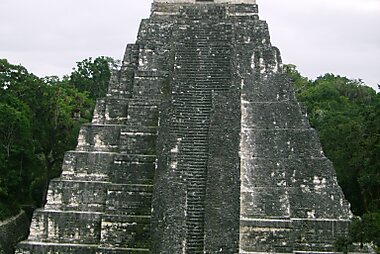
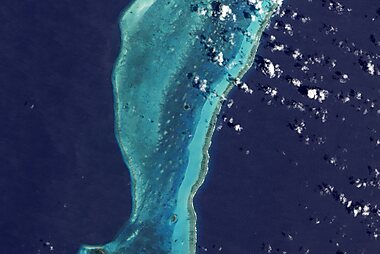
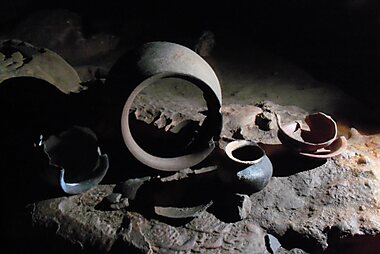
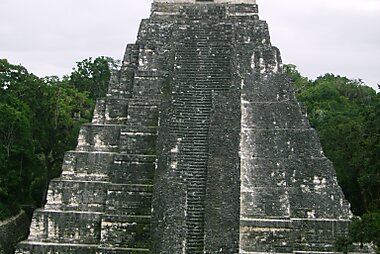
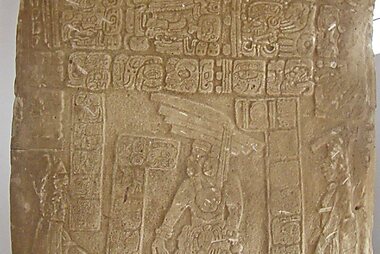
Most trips split between two very different sides of the country. Inland, the Cayo District and the north hold rainforest, cave systems, and Maya cities such as Caracol and Xunantunich. Along the coast, the Belize Barrier Reef, the largest reef system in the Western Hemisphere, shelters the Great Blue Hole and hundreds of low-lying cayes suited to diving, snorkeling, and slow island life. Belize works best for travelers who want nature and adventure over big cities or nightlife, and who don't mind covering long distances between the two.


Belize – Planning a Trip?
Build your day-by-day itinerary in the Tripomatic app.


Money & payments
Belize dollars and US dollars circulate side by side at a fixed rate, so prices are often quoted in either and both are accepted almost everywhere. Card acceptance is good in hotels, restaurants, and shops in the main tourist areas, but carry cash for local buses, markets, small guesthouses, and rural villages. ATMs are common in Belize City, Belmopan, and the larger towns, but scarce on smaller cayes and in the south, so withdraw before heading to Caye Caulker, Placencia Peninsula, or Toledo District.
Featured Lists


Tours & Activities
Belize — Map

 Open the interactive map
 Tipping
10-15 %
tipped separately, per day
round up
round up
Tipping in Belize follows US-style habits more than Latin American norms. In restaurants, 10 to 15 percent is standard unless a service charge already appears on the bill, so check before tipping twice. Tour guides, boat captains, and drivers on cave, reef, or jungle tours are usually tipped separately and rely on it as a real part of their income.
Electricity
Belize runs on 110 V at 60 Hz and uses American-style flat two- and three-pin outlets, matching the United States and its Central American neighbors rather than Britain, despite its history as a British colony. Travelers from the UK, Europe, or Australia need a plug adapter and, for anything without dual-voltage support, a voltage converter too; visitors from North America usually need nothing at all.
Language
English is the official language and the one used in schools, government, and business, so menus, signage, and directions are never a problem. Spanish is common in the north and west, near the borders with Mexico and Guatemala, and Belizean Kriol is what most Belizeans actually speak with each other day to day. Kriol conversation can be hard for visitors to follow at first, but almost everyone switches easily to standard English when talking with a traveler.
Staying connected
Prepaid SIM cards from the two national carriers are sold at their shops in Belize City and Belmopan, and at some airport counters, and generally require only a passport for registration. Coverage is strong along the coast and main highways but drops off quickly in the rainforest interior and around some of the smaller cayes, so don't count on a signal at a remote jungle lodge or on the water between islands.
Safety & emergencies
Belize is generally safe for tourists who stick to well-traveled areas and common sense: watch belongings on buses and in busy markets, agree on taxi fares before getting in, and avoid walking alone at night in Belize City outside the main tourist zones. Petty theft is the most common issue travelers report; violent crime against tourists is rare but does happen, mostly in parts of Belize City that visitors have little reason to enter.
Health
Tap water is treated in Belize City and the larger towns and is generally used by locals without issue, but many visitors stick to bottled or filtered water, especially on the cayes and in rural areas where the supply is less consistent. Pharmacies are easy to find in every town, though smaller islands and villages may have only a basic stock, so bring any regular medication with you. No vaccinations are mandatory for entry, but check current recommendations for hepatitis A, typhoid, and routine boosters with a travel clinic before the trip, and consider antimalarials if visiting remote areas near the Guatemalan border.
Visas & entry
Citizens of the United States, Canada, the United Kingdom, the European Union, and most Commonwealth and Caribbean countries can enter Belize without a visa for stays of up to 30 days, which can usually be extended at a local immigration office. Visitors from countries without visa-free access need to arrange a visa in advance through a Belizean embassy or consulate.
Visa and entry requirements change frequently. Verify current requirements with the official immigration authority or your country's embassy before travel.
Etiquette
Belizeans are generally relaxed and informal, and greetings matter: a friendly "good morning" or "good afternoon" before getting to business, even with a shopkeeper or driver, goes a long way. Dress is casual almost everywhere, though modest clothing is appreciated at churches and in smaller inland villages. Bargaining is not the norm in shops or restaurants, though a little negotiation is common and expected for informal tours, taxis without a meter, and souvenirs bought directly from a craftsperson. Ask before photographing people, especially in Maya and Garifuna villages, where some communities prefer not to be treated as a photo opportunity.
Holidays & opening hours
Public holidays are widely observed, and many shops, banks, and government offices close for the day, though restaurants and tourist services in the main destinations usually stay open. Independence Day (September 21st) and the Garifuna Settlement Day celebrations in Dangriga and Punta Gorda are among the liveliest and draw crowds, so book accommodation early if traveling then. Regular business hours tend to be relaxed, with many small shops and offices closing for an hour around midday and most things winding down by early evening outside of restaurants and bars.
Getting around
- By bus: Frequent, inexpensive coach services connect Belize City, Belmopan, San Ignacio, and the north along the main highways, running on repurposed US school buses on local routes and more comfortable coaches on longer hauls. Service south to Dangriga and Punta Gorda is less frequent.
- By air: Domestic flights connect Belize City's municipal airport with Ambergris Caye, Caye Caulker, Placencia, Dangriga, and Punta Gorda in well under an hour, and are worth the cost for reaching the cayes or the south quickly instead of a half-day bus and boat combination.
- By boat: Water taxis are the standard way to reach Ambergris Caye and Caye Caulker from Belize City, and are faster and often cheaper than flying for these two islands.
Renting a car makes sense for exploring Cayo District's Maya sites and nature reserves at your own pace, but is unnecessary if you're mainly island-hopping along the coast.
Driving
- Speed limits: Roads are signed in miles per hour: expect around 25 to 40 mph (40 to 65 km/h) in towns and villages, and up to 55 mph (90 km/h) on the open highway.
- Road conditions: The main highways are paved and in reasonable shape, but secondary and village roads are often unpaved, potholed, or impassable after heavy rain. Avoid driving after dark outside towns: roads are unlit, and livestock, cyclists, and potholes are hard to see in time.
- Tolls: There are no toll roads or highway vignettes in Belize.
- Parking: Street parking is common and usually free in smaller towns; Belize City has some paid lots and metered areas near the center.
- Fuel: Stations are attended, not self-service, and sell "Premium" and "Regular" gasoline alongside diesel; card payment is widely available at stations in towns, but carry cash for rural pumps.
A valid foreign driver's license is accepted for tourists for up to 90 days, so an International Driving Permit is a helpful backup but not strictly required for most trips.
Food & drink
Belizean food reflects the country's mix of cultures more than any single national cuisine. Breakfast often means fry jacks (fried dough) with refried beans and eggs, while lunch and dinner center on rice and beans cooked in coconut milk alongside stewed chicken, pork, or fish, plus a side of potato or macaroni salad. Garnaches and salbutes, both fried corn tortillas piled with toppings, are a common snack, alongside Belizean tamales wrapped in banana leaf.
On the coast, especially around Dangriga and Punta Gorda, Garifuna cooking adds dishes like hudut, a mashed plantain and fish stew in coconut broth, and cassava-based sides. Marie Sharp's hot sauce, made in the Stann Creek Valley, appears on nearly every table and is a popular souvenir. Belikin is the national beer, and cashew wine and rum are made locally; fresh fruit juices and Belizean-style ginger beer are common non-alcoholic options. Small local eateries, often called "restaurants" whatever their size, and market stalls are the everyday way most Belizeans eat out, rather than formal sit-down dining.
Where to explore
Belize City, the country's largest city and main port of entry, is more a gateway than a destination in itself, with most visitors passing through on the way to the coast or the interior. Inland, the twin towns of San Ignacio and Santa Elena in Cayo District are the base for visiting Actun Tunichil Muknal Natural Monument, Xunantunich, and the forested hills of Mountain Pine Ridge Forest Reserve. Belmopan, the small, purpose-built capital, is worth a stop mainly for government business rather than sightseeing.
Along the coast, Ambergris Caye is Belize's most developed island, with the widest choice of dive shops, restaurants, and hotels, while Caye Caulker keeps a quieter, car-free pace nearby. Farther south, the Garifuna town of Dangriga and the laid-back Placencia Peninsula give access to southern reef sites and the Cockscomb Basin Wildlife Sanctuary. Toledo District, around the town of Punta Gorda, sees far fewer visitors and offers a slower introduction to Maya and Garifuna village life, plus access to inland sites like Lubaantun and Nim Li Punit. Birdwatchers should also consider Crooked Tree Wildlife Sanctuary, an easy day trip north of Belize City.
Belize – Plan Your Trip
Pick the places you want to see and Tripomatic turns them into a day-by-day route, with smart routing, time estimates, and everything you need for a perfect trip.


Related destinations


Data: © OpenStreetMap contributors, Wikidata, Wikipedia, Tripomatic, Official websites, geoBoundaries (CC BY 4.0). Tours by GetYourGuide. We earn commission from bookings. Travel guide generated with AI.