



Cancun
Cancún is Mexico's best-known beach resort, built along a narrow strip of white sand between the Caribbean Sea and a calm lagoon. The Hotel Zone holds the all-inclusive resorts and nightlife, while the older downtown across the lagoon keeps a more everyday Mexican rhythm of markets and local restaurants.
It suits travelers who want an easy beach vacation: direct flights from across North America, reliable infrastructure, and a base for day trips into the wider Yucatán Peninsula. Development began in the 1970s, when the Mexican government chose this then-empty stretch of coast to build an entirely new resort city, rather than expanding an existing town.

Cancun – Planning a Trip?
Build your day-by-day itinerary in the Tripomatic app.


When to visit
December through April is the dry season, warm and comfortable for the beach. May through October is hot and humid, with the heaviest rain and greatest hurricane risk from June through November, peaking in September and October.
Late February through March brings North American spring break crowds to the Hotel Zone — expect higher prices and a livelier, younger nightlife scene, or plan around it for a quieter stay.
Best time to visit: February, March, April
Top sights

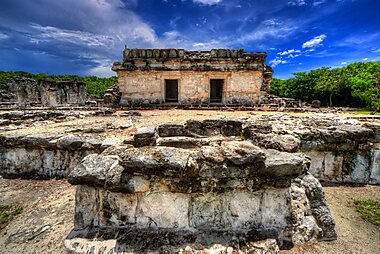

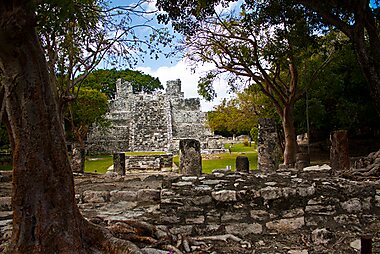

Long before Cancún existed as a resort, the Maya lived along this coast, and their sites still stand among the hotels.
El Rey Ruins is a Maya settlement inside the Hotel Zone, with a small pyramid and dozens of stone columns that once held up a thatched roof.
Yamil Lu'um sits on the highest natural point of the coastline — a modest ruin believed to have served as a lighthouse and shrine for sailors.
Offshore, Cancun Underwater Museum sinks contemporary sculptures onto the seabed as an artificial reef, viewable by snorkeling, diving, or glass-bottom boat.
Torre Escénica de Cancún is a rotating observation tower with views over the lagoon and the Caribbean from around 80 meters up.
Interactive Aquarium Cancun lets visitors get close to dolphins, sea lions, and sharks in a series of pools and tanks.
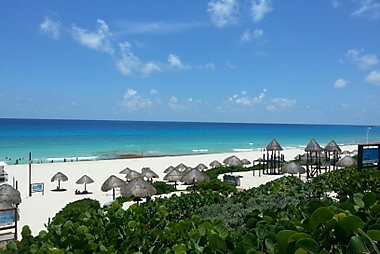
Dolphin Beach is the beach most associated with Cancún's postcard image, marked by giant letters spelling the city's name — strong currents make it better for photos and sunbathing than swimming on rough days.
North of downtown, El Meco is a smaller, quieter Maya site with a single pyramid, often visited on the way to or from the ferry docks.
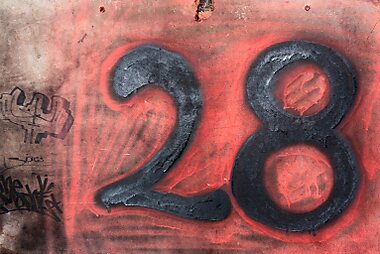
For souvenirs and a first taste of Mexican street food, Market 28 gathers handicraft stalls and casual eateries under one roof downtown.
Featured Lists

What to experience
Cancún's rituals lean toward the water and the Hotel Zone's after-dark scene.
- Take a sunset catamaran or lancha ride across the Nichupté Lagoon, with calm water on one side of the peninsula and open Caribbean surf on the other.
- Buy a day pass to a Hotel Zone beach club for a pool, loungers, and a swim-up bar right on the sand.
- Catch one of the Hotel Zone's theatrical nightclub dinner shows, blending acrobatics, live music, and comedy.
Tours & Activities
Cancun — Map

Day trips
Cancún sits at the northern end of the Riviera Maya, with some of Mexico's best-known destinations within a few hours.
- Isla Mujeres — about 20 minutes by passenger ferry from Puerto Juárez. A small, laid-back island with calm beaches, best explored by golf cart; an easy half-day or full-day trip.
- Puerto Morelos — about 35 minutes by road south of Cancún. A quiet fishing-village alternative to the Hotel Zone, with a protected reef just offshore for snorkeling.
- Tulum — about 2 hours by road or by train. Maya ruins set directly on a Caribbean cliff, plus a beach town with a laid-back reputation.
- Chichén Itzá — about 2.5–3 hours by road or train via Valladolid. One of Mexico's most famous archaeological sites, home to the step pyramid El Castillo; pair it with a stop in Valladolid, a colonial town with cenotes nearby.
- Cozumel — about 2.5 hours combining a drive to Playa del Carmen with a ferry crossing. A diving and snorkeling destination built around a long coral reef.
Where to explore
Cancún anchors the northern tip of the Riviera Maya, Mexico's stretch of Caribbean coast running south toward Belize.
Along the coast, Puerto Morelos offers a smaller-town, fewer-crowds alternative just south of Cancún, while Playa del Carmen and Tulum continue the resort strip further down, each with its own beach-town character.
Offshore, Isla Mujeres and Cozumel are the region's two main islands, both reachable by ferry and known for diving and a slower pace than the mainland resorts.
Getting there
- By air: Cancún International Airport (CUN) is the main gateway to the Yucatán Peninsula, about 20 km south of the Hotel Zone. ADO buses, taxis, and private transfers reach the Hotel Zone and downtown in roughly 20–40 minutes depending on traffic and destination.
- By train: The Tren Maya connects a station at the airport with Playa del Carmen, Tulum, and inland towns toward Chichén Itzá and Mérida.
- By bus: ADO long-distance buses link Cancún's downtown terminal with cities across the Yucatán Peninsula and beyond, including Mérida, Chetumal, and Mexico City.
Getting around
- Public transit: Local buses run along Kukulcán Boulevard between downtown and the Hotel Zone; pay the driver in cash, a few pesos per ride. There is no metro or tram.
- Taxi / ride-hailing: Uber operates in Cancún, but airport and Hotel Zone taxi unions actively resist ride-hailing pickups in those areas — a private transfer or official airport taxi is often more reliable.
- On foot / cycling: Downtown is walkable on its own, but the Hotel Zone is a roughly 20 km strip, too long to cover on foot between resorts. A dedicated bike path runs alongside Kukulcán Boulevard.
Driving
- Is a car worth it?: Not necessary for a Hotel Zone stay — buses and taxis cover it. Renting one pays off if exploring several coastal towns independently in a single trip.
- Parking: Hotel Zone resorts and malls provide free guest parking; downtown has metered street parking and paid lots near Market 28 and the main squares.
- Restrictions: The coastal highway toward Playa del Carmen and Tulum (Highway 307) is toll-free its entire length.
Food & drink
Cancún's kitchen leans Yucatecan: expect cochinita pibil (citrus-and-achiote pork), fresh ceviche, and grilled seafood alongside standard Mexican staples like tacos al pastor.
For a concentrated taste of local food without hunting around, the eateries inside Market 28 serve traditional dishes alongside the handicraft stalls. Downtown's Avenida Yaxchilán is Cancún's main restaurant strip, with a denser, more affordable mix of options than Hotel Zone resort dining.
Safety & health
Cancún is generally safe for tourists who stick to the Hotel Zone, downtown, and well-traveled day-trip routes; violent crime targeting visitors is rare. The most common problems are taxi fares inflated when not agreed in advance, and aggressive timeshare touts offering free tours, meals, or excursions in exchange for attending a sales presentation — politely decline and walk on.
Ocean currents can be strong on the Caribbean side, especially at Dolphin Beach; swim only where lifeguard flags allow and heed posted warnings.
History
Cancún did not exist as a city before the 1970s. The Mexican government chose this then-uninhabited sandbar to build an entirely new resort city, and the first hotels opened within a few years, turning empty coastline into one of the country's largest tourism economies.
The Maya were here long before the resorts. El Rey Ruins was a coastal settlement, and Yamil Lu'um, perched on the highest point of the shoreline, is thought to have guided sailors navigating this stretch of the Caribbean centuries before international flights started landing nearby.
Country facts
Quick practical facts for Mexico at a glance:
- Currency
- Mexican Peso MXN $ · Card payments · Widely accepted
- Emergency numbers
- 911 Police · Ambulance · Fire brigade
- Electricity
- 127 V · 60 HzType A / Type B
- Languages
- Spanish
- Tap water
- Not safe to drink
- Driving side
- Right
- Calling code
- +52


Cancun – Plan Your Days
Turn the places from this guide into a real itinerary, with smart routing, time estimates, and everything you need for a perfect trip.




