



Cyprus
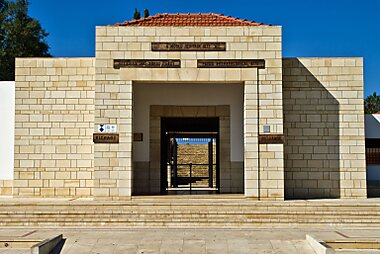
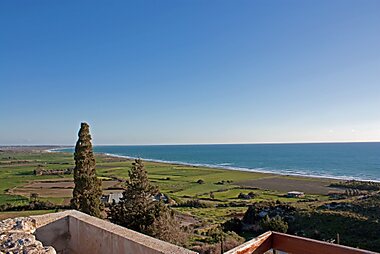
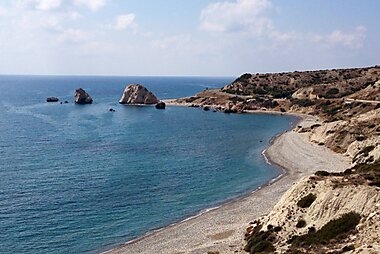
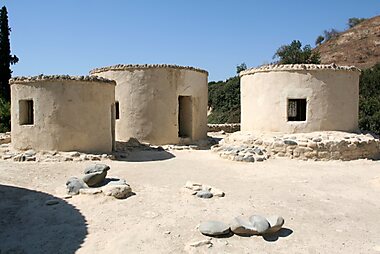
Cyprus is an island country in the eastern Mediterranean. It combines ancient ruins, mountain villages, and long sandy beaches. Greek mythology says Aphrodite was born on its southern coast, near Petra tou Romiou. The island's history goes back even further: Neolithic settlers lived at Choirokoitia, and the Romans built the mosaics at Kato Paphos Archaeological Site. Cyprus joined the European Union in 2004. It adopted the euro in 2008.
The island suits travelers who want beaches and culture together. In one week you can swim, hike the Troodos Mountains, and visit painted churches centuries old. The northern part of the island has been under separate administration since 1974. Most visitors spend their time in the government-controlled south, which this guide covers. Day trips across the crossing points into the north are also possible.



Cyprus – Planning a Trip?
Build your day-by-day itinerary in the Tripomatic app.


Money & payments
Carry some cash for small villages, local markets, and buses — a few places outside the main towns don't take cards. ATMs are common in every town.
Cyprus costs less than Western Europe but more than much of the Balkans. Coastal resort towns cost more than inland villages.
Featured Lists


Tours & Activities
Cyprus — Map

Tipping
Tipping in Cyprus is optional, not expected. Round up a taxi fare, or leave a little extra for good service.
Many restaurant bills already include a service charge — check the bill before adding a tip on top. Where none is included, a modest amount for good service is appreciated.
Hotel staff and tour guides appreciate a small tip, but it's never expected.
5–10%, skip if a service charge is already included
round up
€1–2 per bag or per day for housekeeping
€5–10 per day
Electricity
Cyprus uses the same three-pin plug as the UK. Bring an adapter if your devices use a different plug type — most modern phone and laptop chargers work fine at the local voltage.
Language
Greek is the main language, and Turkish is also an official language of the Republic. English is widely spoken in hotels, restaurants, and shops, especially in tourist areas like Limassol, Paphos, and Agia Napa. English is more limited in small inland villages.
Cypriot Greek uses the Greek alphabet, but road signs and menus in tourist areas are almost always in English too, so navigation isn't a problem.
Staying connected
Buying a local prepaid SIM in Cyprus requires passport ID for mandatory registration — bring your passport to the shop. An eSIM bought online before you travel skips this step entirely.
Coverage is reliable across the island, including in the Troodos Mountains, though signal can weaken in remote hiking areas.
Safety & emergencies
Cyprus is a safe destination for tourists. Violent crime is rare. The most common issues are pickpocketing in crowded tourist areas and drink-related incidents in nightlife strips like Agia Napa. Watch for opportunistic theft on beaches — don't leave valuables unattended.
Roads carry more everyday risk than crime. Drive cautiously, especially on rural mountain roads and around overtaking on the coastal motorways.
Emergency operators are simple to reach and generally speak English.
Health
Tap water is safe to drink across Cyprus, though some people prefer bottled water for the taste. Pharmacies, marked with a green cross, are common in every town, and many pharmacists speak English. Most keep standard business hours, with a rotating on-call pharmacy for nights and weekends.
No special vaccinations are required to visit Cyprus. Summer heat is the main health risk — drink plenty of water, wear sunscreen, and avoid the midday sun in June–August.
Visas & entry
Cyprus is an EU member, but it isn't part of the Schengen Area. Entry rules follow Cyprus's own system, not the shared Schengen visa. EU/EEA citizens can enter with a valid ID card or passport and stay without a visa. Citizens of the UK, US, Canada, Australia, and many other countries can visit visa-free for up to 90 days.
Travelers from countries that need a visa can apply for a Cyprus visa in advance.
Visa and entry requirements change frequently. Verify current requirements with the official immigration authority or your country's embassy before travel.
Etiquette
Dress modestly when visiting churches and monasteries: cover shoulders and knees. Some sites, like Kykkos Monastery, lend wraps at the entrance if you arrive underdressed.
Greetings are warm — a handshake for new acquaintances, and cheek kisses between friends.
Bargaining is not common in shops or restaurants, but light haggling is accepted in markets and with independent craft sellers.
Photography is fine almost everywhere, but ask before photographing people directly, especially in villages.
Holidays & opening hours
Public holidays affect opening hours across the island. Expect most shops, banks, and many restaurants to close on major holidays, especially Christmas, Easter, and Cyprus Independence Day.
Most shops close on Sundays outside tourist resort areas. Many businesses also close for a long lunch break in smaller towns, though resort towns stay open through the afternoon.
Getting around
- By bus: Intercity coaches connect Nicosia, Limassol, Larnaca, and Paphos. Check routes and buy tickets through Cyprus Public Transport, or pay on board with a card or exact cash.
- By car: Cyprus has no rail network, so a rental car is the easiest way to reach villages, beaches, and the Troodos Mountains. Roads are generally in good condition.
- By taxi: Metered city taxis and app-based ride services operate in the main towns. Shared rural taxi services connect villages that buses don't reach.
- By air: Domestic flights don't exist — the island is small enough that road travel between any two towns takes under two hours.
Driving is on the left in Cyprus, a legacy of British rule.
Driving
- Key rules: Seatbelts are mandatory in every seat. Using a phone while driving is illegal without a hands-free kit. Drink-drive limits are low — it's safest not to drink at all before driving.
- Tolls: Cyprus has no toll roads and no vignette — every motorway on the island is free to drive.
- Parking: Metered street parking is common in town centers — look for pay-and-display machines. Free parking is easier to find outside the main centers.
- Fuel: Stations are mostly self-service, and card payment is standard. Petrol is labeled Unleaded 95 or Unleaded 98; diesel is labeled Diesel or Πετρέλαιο.
- Electric vehicles: Charging points are growing but still concentrated around Nicosia and the coastal resort towns. Check availability before planning a route into the mountains.
Food & drink
Breakfast in Cyprus is often light: bread, halloumi, olives, and strong coffee. Lunch and dinner both build around meze: many small shared plates of dips, grilled meats, salads, and seafood. It's ordered for the whole table rather than by the dish. Kleftiko, lamb slow-cooked in a sealed clay oven, is a Sunday classic.
Street food is simple and cheap: souvlaki wrapped in pitta, and loukoumades, fried dough balls soaked in honey, for something sweet. Zivania, a strong grape spirit, and Commandaria, a sweet dessert wine made in the Troodos foothills, are the island's signature drinks. Locals eat at tavernas that serve until late, especially in summer.
Where to explore
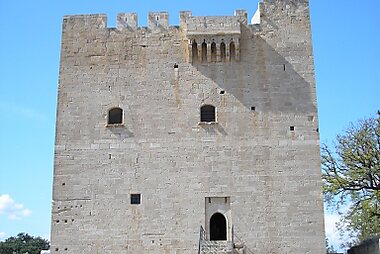
Cyprus's main cities sit mostly on the coast. Nicosia, the capital, is inland and the only EU capital still divided by a UN buffer zone. Its old town has restored Venetian walls and small museums. Limassol is a coastal city known for its long promenade, marina, and medieval castle. Larnaca is smaller and closer to the airport, known for its palm-lined seafront and a salt lake visited by flamingos in winter.
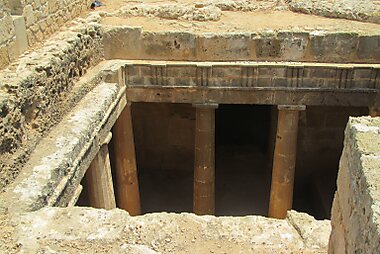
Paphos, a UNESCO World Heritage city, holds Roman-era mosaics and rock-cut tombs. Agia Napa and neighboring Paralimni, with the Protaras beach strip, are the island's main resort towns, built around sandy coves and nightlife.
Inland, the Troodos Mountains offer hiking trails, painted Byzantine churches, and wine villages like Omodos. Troodos National Forest Park covers much of this mountain forest. Polis, on the quieter northwest coast, is the gateway to the Akamas Peninsula's nature trails.
Cyprus – Plan Your Trip
Pick the places you want to see and Tripomatic turns them into a day-by-day route, with smart routing, time estimates, and everything you need for a perfect trip.


Related destinations


Data: © OpenStreetMap contributors, Wikidata, Wikipedia, Tripomatic, Official websites, geoBoundaries (CC BY 4.0). Tours by GetYourGuide. We earn commission from bookings. Travel guide generated with AI.