



Malta
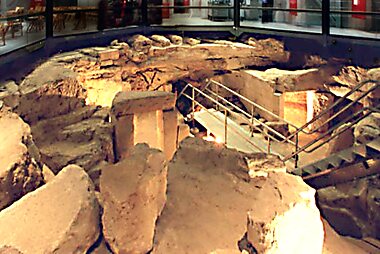
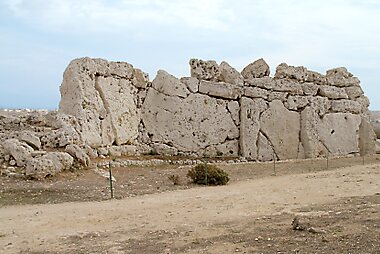
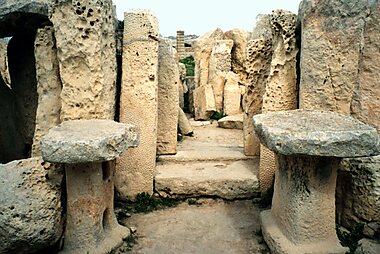
Malta is a small archipelago in the Mediterranean, roughly 80 km south of Sicily, made up of three inhabited islands: Malta, Gozo, and Comino. Limestone walls, Baroque churches, and sea forts define the built landscape. Prehistoric temples older than Stonehenge sit alongside 16th-century fortifications. The islands suit travelers who want history and beach time in one compact trip: distances are short, English is an official language, and public transport reaches almost everywhere.
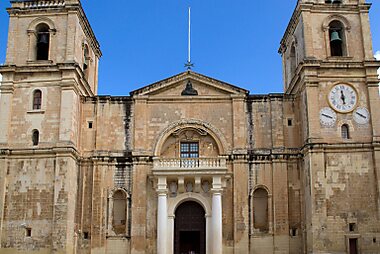
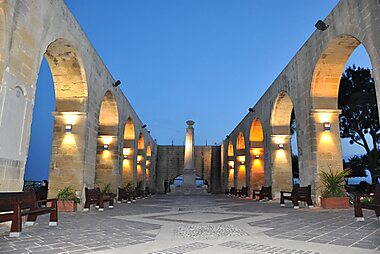
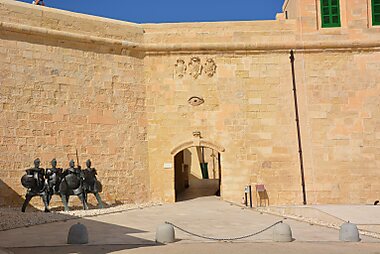
In 1565, the Knights of St John withstood a months-long siege by the Ottoman Empire, an event now known as the Great Siege of Malta. The Knights' victory led to the founding of Valletta, built as a fortress capital and now a UNESCO World Heritage city. That layered history is still visible everywhere, from countryside temple ruins to the Baroque interior of St. John's Co-Cathedral.

Malta – Planning a Trip?
Build your day-by-day itinerary in the Tripomatic app.


Money & payments
Malta uses the euro, and ATMs are common in every town.
Keep some cash for the Sunday fish market in Marsaxlokk, small village bakeries, and buses if a transit card runs out. A budget traveler can get by on simple meals, buses, and free sights; mid-range travelers spend more on restaurant dinners, taxis, and paid museum entries.
Featured Lists


Tours & Activities
Malta — Map

Tipping
Tipping in Malta is a courtesy, not an obligation. In restaurants, rounding up or leaving around 10% for good service is common, especially in tourist areas. Taxi drivers and hotel staff appreciate a small tip but rarely expect one, and tipping in bars is unusual.
round up or ~10%
round up
small tip for porters/housekeeping
a few euros
Electricity
Malta uses UK-style Type G plugs at 230 V / 50 Hz, the same standard as the United Kingdom. Visitors from continental Europe will need an adapter.
Language
Maltese and English are both official languages, and nearly everyone in tourist areas speaks fluent English. Maltese uses the Latin alphabet. Road signs, menus, and museum plaques are usually bilingual or English-only.
Staying connected
Travelers with an EU/EEA SIM plan can use their normal data allowance at no extra cost under EU roaming rules. Visitors from outside the EU can buy a prepaid SIM or eSIM at the airport or in any town for a modest weekly rate; a passport or photo ID is required to register the SIM, even for an eSIM. Mobile coverage is reliable across all three islands, including Gozo and Comino.
Safety & emergencies
Malta is one of the safer destinations in the Mediterranean for tourists. Petty theft and pickpocketing can happen in busy areas like Sliema and Valletta's main streets, so keep an eye on bags in crowds. Traffic can feel chaotic to visitors and roads are narrow in old town centers - take care as a pedestrian.
Health
Tap water in Malta meets EU safety standards. It comes from a mix of desalination and groundwater, which gives it a distinct taste, so many locals and visitors prefer bottled or filtered water. Pharmacies, marked with a green cross, are widely available and can advise on minor ailments, with a rota system keeping at least one open late in every district. No special vaccinations are required for Malta.
Visas & entry
Malta is part of the Schengen Area and the European Union. EU/EEA citizens can enter with a valid ID card or passport and stay without restriction. Citizens of the United States, United Kingdom, Canada, Australia, and many other countries can enter visa-free for short tourist stays, typically up to 90 days within a 180-day period. Longer stays or other nationalities may need a Schengen visa arranged in advance.
Visa and entry requirements change frequently. Verify current requirements with the official immigration authority or your country's embassy before travel.
Etiquette
Modest dress is expected inside churches and cathedrals, including St. John's Co-Cathedral - cover shoulders and knees before entering. Malta is a Catholic country with an otherwise relaxed, informal culture: greetings are friendly, and a handshake is standard for a first meeting. Photography is usually allowed in churches but sometimes restricted or paid inside chapels with valuable artwork, so check signage. Bargaining is not common outside markets like the one in Marsaxlokk, where light haggling on souvenirs is acceptable.
Holidays & opening hours
Malta observes numerous religious feast days on top of national holidays, and many shops, banks, and offices close on these dates. Village feast days (festa) throughout summer can also close streets for processions and fireworks, even though they are not official public holidays.
Most shops open Monday to Saturday and close for a few hours around lunch in smaller towns; Sunday trading is limited outside malls and tourist areas.
Getting around
- By bus: Malta's public bus network connects nearly every town and village, including routes to the airport and ferry terminals. Pay by contactless card on board or buy a rechargeable transit card for lower fares. See the Malta Public Transport journey planner for routes.
- By ferry: A passenger ferry connects Sliema and Valletta across the harbor, and a separate car/passenger ferry runs between Ċirkewwa (Malta) and Mġarr (Gozo) every 30 to 45 minutes depending on the time of day. A small water taxi service also links Comino to both islands in summer.
- By taxi and ride-hailing: Metered taxis and ride-hailing apps operate across the main island; agree on a fare or confirm the meter before starting a trip with an unmetered taxi.
Malta drives on the left, so buses and traffic flow accordingly - keep this in mind when crossing streets.
Driving
- Key rules: Malta drives on the left, unusual for visitors coming from mainland Europe. Roads are narrow and roundabout etiquette can feel confusing at first - give way to traffic already in the roundabout.
- Tolls and congestion: Malta has no toll roads, motorway vignettes, or low-emission zones for tourists to worry about.
- Parking: Valletta and other town centers use paid parking with meters or park-and-ride at the edge of the old city; smaller towns mostly have free on-street parking, though space is tight.
- Fuel: Petrol stations are typically self-service and accept card payment; pumps are labeled Unleaded 95/98 for petrol and Diesel.
- Electric vehicles: Public charging points exist but are still limited outside the main towns, so plan ahead if renting an EV.
Food & drink
Maltese food blends Sicilian, North African, and British influences built up over centuries of foreign rule. Breakfast is usually light - pastries or bread with cheese - while lunch and dinner both lean toward hearty, home-style cooking: slow-braised meats, fresh fish, and vegetable stews served with crusty local bread.
The most-loved national dish is fenkata, a rabbit stew traditionally eaten on Sundays and at village feasts, alongside bragioli, thin beef slices rolled around a savory filling. For a quick bite, pastizzi - flaky pastry parcels filled with ricotta or mushy peas - are sold at small bakeries all day. Ftira, a dense, chewy flatbread stuffed with tuna, capers, and tomatoes, is another everyday staple.
Locals often eat at family-run trattorias or simple bars rather than formal restaurants, especially outside Valletta and Sliema. Kinnie, a bitter-orange soft drink unique to Malta, is worth trying alongside the local Cisk lager or a glass of Maltese wine, which has grown in quality in recent decades.
Where to explore
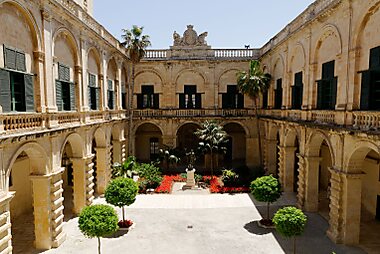
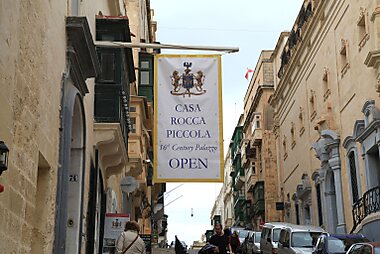
Valletta and the harbor towns Valletta, the fortress capital, packs Baroque palaces and a UNESCO-listed old town into a small grid of streets. Across the harbor, Birgu and its neighboring Three Cities offer a quieter, equally historic alternative with fewer crowds. Sliema and St. Julian's are the main seaside towns for promenade walks, swimming spots, and nightlife.
Inland and the south Mdina, the medieval walled "silent city," sits on a hilltop above Rabat, with its Roman-era ruins and catacombs. In the south, the fishing village of Marsaxlokk is known for its Sunday market and colorful luzzu boats.
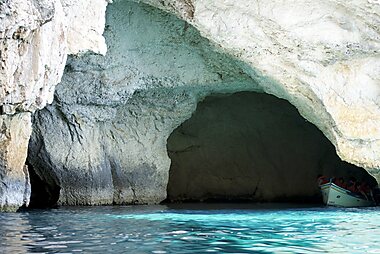
The other islands Gozo is Malta's slower-paced sister island, with rolling countryside, a hilltop citadel, and quieter beaches. Tiny Comino, between Malta and Gozo, is a popular day trip for its turquoise Blue Lagoon.


Malta – Plan Your Days
Turn the places from this guide into a real itinerary, with smart routing, time estimates, and everything you need for a perfect trip.




