



Orlando
Orlando started as a small citrus and cattle town in central Florida. Everything changed when Walt Disney World opened here in 1971. Today the area holds the world's most visited theme parks, drawing tens of millions of visitors every year.
Most trips here center on the theme parks: Disney, Universal, and SeaWorld dominate the itinerary. But Orlando also has a real downtown, with lakes, museums, and a growing food scene most visitors never see. Warm weather year-round makes it easy to mix ride days with time outdoors, from spring-fed lakes to wildlife parks.

Orlando – Planning a Trip?
Build your day-by-day itinerary in the Tripomatic app.


When to visit
Late fall through early spring is the most comfortable stretch, with mild days and low humidity. Summer runs hot and humid with near-daily afternoon thunderstorms, and hurricane season lasts from June through November.
The biggest annual event is Halloween Horror Nights at Universal Studios, running select nights from September through early November. It draws visitors from across the country for elaborate haunted houses and scare zones built around horror franchises.
Best time to visit: January, February, March, November, December
Expect highs above 30°C with high humidity from June through September; the driest, most pleasant stretch runs from November through March.
Top sights



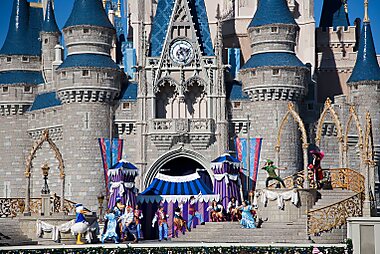

Magic Kingdom is Walt Disney World's original park and its most recognizable icon, built around Cinderella Castle. It's the classic Disney experience: parades, fireworks, and rides that skew toward families with young children.
EPCOT pairs futuristic pavilions and thrill rides with a ring of country-themed spaces representing food and culture from around the world. It's the most adult-friendly of the Disney parks, especially during its autumn food festival.
Disney's Hollywood Studios is built around film, television, and the Star Wars and Toy Story universes. Its evening shows and themed lands make for a shorter, more focused day than the other Disney parks.
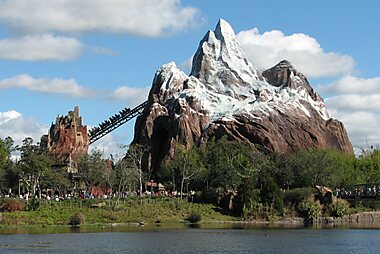
Disney's Animal Kingdom combines a zoo-scale wildlife park with rides themed around Africa, Asia, and a dinosaur-themed area, centered on a hand-carved Tree of Life.
Universal Studios Florida recreates classic movie sets and includes one half of the Wizarding World of Harry Potter, with rides based on Despicable Me, The Simpsons, and The Mummy.
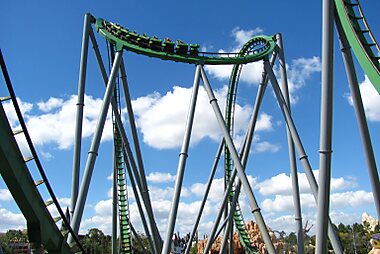
Universal's Islands of Adventure holds the other half of the Wizarding World, plus Marvel-themed thrill rides and a dedicated Jurassic Park area. A train connects it directly to Universal Studios Florida.
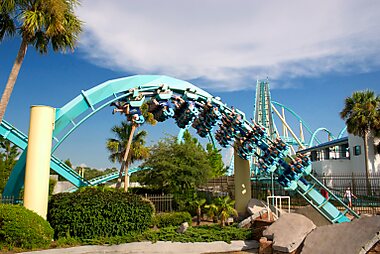
SeaWorld Orlando focuses on marine life, with orca and dolphin shows, aquariums, and a handful of roller coasters built around ocean themes.
Gatorland is a smaller, older-school attraction south of downtown built around alligator and crocodile shows. It's a lower-cost, half-day alternative to the big parks.
Featured Lists


What to experience
Orlando's best experiences go beyond standing in line for rides.
- Ride the Hogwarts Express between Universal Studios Florida and Universal's Islands of Adventure — it's a themed train journey, not just a shortcut, with a different window show depending on the direction of travel.
- Rent a swan-shaped paddle boat and circle Lake Eola Park, then browse the Sunday farmers market on the same lake.
- Watch the nightly fireworks over Cinderella Castle at Magic Kingdom — arrive at the park hub 30–45 minutes early for a clear view.
- Catch sunset from The Wheel at ICON Park, a 400-foot observation wheel with views stretching to Disney's fireworks on a clear evening.
- Take an airboat ride across central Florida's spring-fed lakes and marshes for a close look at alligators and wading birds in their natural habitat, away from any theme park.
Tours & Activities
Orlando — Map

 Open the interactive map
 Day trips
Central Florida has plenty worth a day away from the parks, from lakeside towns to space history.
- Winter Park — about 20 minutes north, this walkable town has boutique shopping on Park Avenue, a scenic boat tour through connected lakes, and the Charles Hosmer Morse Museum's collection of Tiffany glass.
- Mount Dora — about 45 minutes northwest, a small lakeside town with antique shops, cafes, and a historic downtown that feels far removed from the theme parks.
- Blue Spring State Park — about 50 minutes north, a spring-fed river where manatees gather in large numbers from November through March.
- Legoland Florida — about 50 minutes southwest in Winter Haven, a lower-key theme park built for younger children, with a botanical garden dating to the 1930s on the same grounds.
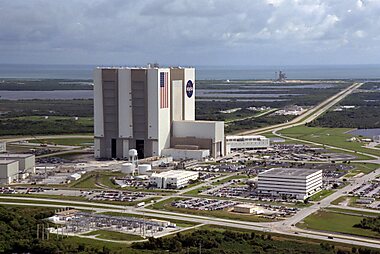
- John F. Kennedy Space Center — about 1 hour east near Titusville, NASA's launch site and a working space museum with real rockets, the Space Shuttle Atlantis, and occasional live launches to watch.
Getting there
- By air: Orlando International Airport (MCO) is the main gateway, about 25–40 minutes from the tourist corridor by rental car or rideshare depending on traffic. It also has a Brightline high-speed rail platform with direct service to Miami, Fort Lauderdale, and West Palm Beach. A smaller airport, Orlando Sanford International (SFB), sits about 45 minutes north and is used mainly by budget and charter carriers.
- By train: Amtrak's Silver Star and Silver Meteor stop at Orlando's downtown station, connecting to New York, Washington, and Miami.
- By bus: Greyhound and FlixBus share a terminal just west of downtown Orlando, with routes across Florida and the Southeast.
Getting around
- Public transit: The Lynx bus network covers the city, and the I-Ride Trolley loops along International Drive near the Universal and SeaWorld side of town — fare is $2 a ride, with multi-day unlimited passes available for longer stays. LYNX runs the buses; SunRail commuter rail runs weekdays only and mainly serves commuters, not the parks.
- Around Disney: Walt Disney World has its own internal transport — buses, a monorail, the Skyliner gondola, and boats — connecting the parks, resorts, and Disney Springs at no extra charge for guests staying on Disney property.
- Taxi / ride-hailing: Uber and Lyft cover the whole area and are the easiest way to move between parks not connected by Disney's own transport.
- On foot: Walking between parks isn't realistic — distances are large, and pedestrian infrastructure outside the parks themselves and a few pockets like Disney Springs and International Drive is limited.
Driving
- Is a car worth it?: Yes, unless staying entirely on Disney or Universal resort property and using their free shuttles — the parks, hotels, and restaurants are spread across a wide area with little connecting them on foot.
- Parking: Theme park parking runs about $30 a day at standard lots, more for "preferred" spots closer to the gate. Many hotels near the parks also charge a separate daily resort or parking fee, so check before booking.
- Rental cars: Nearly every major agency has a counter at Orlando International Airport; renting there is usually cheaper and easier than at a hotel.
Food & drink
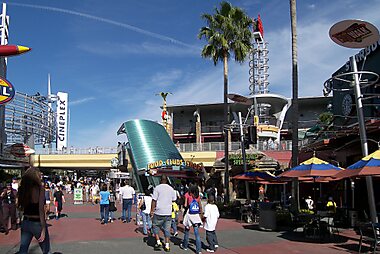
Orlando's food scene splits between the theme parks and the city around them. Inside Disney and Universal, dining leans toward character meals, themed restaurants, and food festivals — EPCOT's autumn International Food & Wine Festival turns the park into a rotating showcase of global street food. Universal CityWalk Orlando and Disney Springs are the main dining and entertainment districts outside the parks themselves, with restaurants, bars, and live music open later than most theme park venues.
Away from the parks, the Mills 50 district northeast of downtown is Orlando's most distinctive food neighborhood, built around Vietnamese and other Southeast Asian restaurants that predate the theme parks by decades. Winter Park's Park Avenue is the pick for a sit-down meal away from the crowds.
Safety & health
Orlando is generally safe for tourists, and violent crime rarely affects visitors who stay within the tourist corridor and theme parks. The most common problems are pickpocketing in crowded queue lines and unofficial vendors near park entrances selling tickets or parking at inflated prices — buy tickets and parking only through official park websites.
Heat is the bigger practical risk: summer humidity makes dehydration and heat exhaustion easy, especially for kids waiting outside in line. Carry water and take shaded breaks. Hurricane season runs June through November; parks generally stay open through storms unless a direct hit is forecast, but check conditions before traveling in late summer and fall.
History
Orlando was a small citrus and cattle town for nearly a century after its 1875 incorporation, built around Lake Eola Park and the courthouse that is now the Orange County Regional History Center. Fruit prices and frost lines, not tourism, drove the local economy.
That changed when Walt Disney secretly bought land south of the city through the 1960s, and Magic Kingdom opened in 1971. What started as a single theme park grew into a resort complex that reshaped the region's economy and population within a generation, drawing Universal, SeaWorld, and a wave of hotels and attractions to the area around it.
Country facts
Quick practical facts for the United States at a glance:
- Currency
- US Dollar USD $ · Card payments · Widely accepted
- Emergency numbers
- 911 Police · Ambulance · Fire brigade
- Electricity
- 120 V · 60 HzType A / Type B
- Languages
- English
- Tap water
- Safe to drink
- Driving side
- Right
- Calling code
- +1


Orlando – Plan Your Days
Turn the places from this guide into a real itinerary, with smart routing, time estimates, and everything you need for a perfect trip.

