



Pakistan
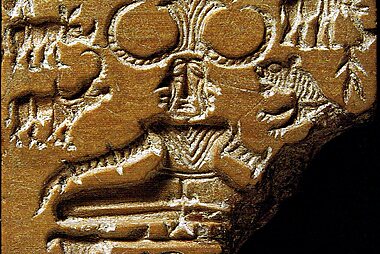
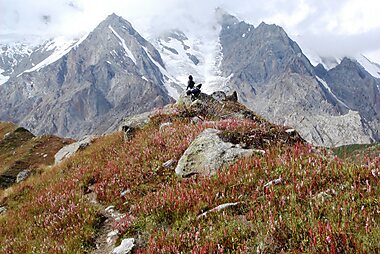
Pakistan stretches from the Arabian Sea coast to some of the world's highest mountains. In the south, the Indus River crosses the plains of Sindh and Punjab, home to the ancient ruins of Mohenjo-daro and Mughal-era cities like Lahore. In the north, the Karakoram, Himalaya, and Hindu Kush ranges meet in Gilgit-Baltistan, an area of glaciers, high valleys, and some of the tallest peaks on Earth.
The country suits travelers drawn to history, mountains, and places that see few foreign visitors. Its cities hold Mughal forts, mosques, and museums; its north offers trekking and alpine scenery comparable to Nepal, with far fewer crowds. Muhammad Ali Jinnah led the movement that created Pakistan as an independent nation in 1947, and his mausoleum in Karachi remains a national symbol. Because travel logistics and regional conditions vary widely across the country, this guide is best suited to travelers who enjoy planning ahead.



Pakistan – Planning a Trip?
Build your day-by-day itinerary in the Tripomatic app.
Money & payments
Cash is still the everyday way to pay outside major hotels, malls, and higher-end restaurants in the biggest cities. Carry cash for markets, small restaurants, and transport, and keep smaller notes on hand since change can be hard to find. ATMs are common in cities but scarce in rural areas and the mountainous north, so withdraw enough before heading to Hunza, Skardu, or Chitral.
Featured Lists

Tours & Activities
Pakistan — Map

Tipping
5-10% in mid-range and upscale restaurants
small note for porters
round up the fare
for trekking and tour guides, especially in the north
A service charge is sometimes already added to restaurant bills in larger cities; check before adding extra. Tour and trekking guides in the north rely on tips as a meaningful part of their income, especially on multi-day treks.
Electricity
The country uses Type C, D, and G plugs at 230 V / 50 Hz. Travelers from North America and parts of Asia will need an adapter; the same is not true for most of Europe.
Language
Urdu and English are both official languages. English is common in business, government, and among educated urban residents, but far less so in rural areas and the northern valleys, where regional languages such as Punjabi, Sindhi, Pashto, Balochi, or Burushaski are more common in daily life. Urdu is written in a Perso-Arabic script, and outside major cities, signage is often Urdu-only, so it helps to know a few basic phrases.
Staying connected
A local SIM is straightforward to buy at the airport or a telecom shop in any city, but registration requires your passport and a fingerprint scan at the point of sale — budget extra time for this on arrival. Coverage is strong in cities and along main highways, but patchy or absent in remote valleys of Gilgit-Baltistan and Chitral, so download offline maps before heading into the mountains. Access to some social media and messaging services is occasionally restricted; a VPN app installed before arrival can help.
Safety & emergencies
Most visits to Pakistan's main cities and northern tourist areas are trouble-free, but conditions vary a lot by region. Petty theft and overcharging can happen in crowded markets and at busy sights, and unlicensed "guides" sometimes approach tourists near major landmarks — arrange guides and drivers through your hotel or a known operator instead. Road travel carries more everyday risk than crime does: mountain roads in the north are narrow and prone to landslides, and driving standards elsewhere can be erratic. Security conditions differ sharply between the well-visited cities and the north versus border areas near Afghanistan and parts of Balochistan, so check current advisories for your specific route before traveling.
Health
Tap water is not safe to drink; stick to bottled or properly filtered water, including for brushing teeth. Pharmacies are widely available in cities and stock most common medications, but are sparse in remote mountain areas, so bring a basic medical kit if trekking. Talk to a travel health provider well before your trip about routine vaccinations and any recommended for Pakistan. If you're heading to high-altitude areas such as Deosai National Park or the trekking routes around Nanga Parbat, build acclimatization days into your itinerary.
Visas & entry
Since January 2026, most nationalities need a paid e-Visa arranged in advance through Pakistan's official online visa system; the free arrival-based visa that many travelers previously used has been suspended, and there is currently no visa-on-arrival. A handful of nationalities, including China, Japan, and several Gulf states, can apply for a fee-free e-Visa but must still apply online before travel. Processing can take one to three weeks, so apply well ahead of your trip rather than close to departure.
Visa and entry requirements change frequently. Verify current requirements with the official immigration authority or your country's embassy before travel.
Etiquette
- Dress modestly. Cover shoulders and knees in public; a headscarf is expected for women at mosques and shrines such as Badshahi Mosque or Tomb of Shah Rukn-e-Alam.
- Remove shoes before entering a mosque, shrine, or someone's home.
- Greetings are usually a handshake between people of the same gender; wait for a woman to offer her hand first before offering yours.
- Ask before photographing people, especially women, and be cautious photographing near checkpoints or military sites.
- Bargaining is normal in bazaars and with rickshaw or taxi drivers without a meter, but not in shops with marked prices.
- During Ramadan, avoid eating, drinking, or smoking in public during daylight hours out of respect for those fasting.
Holidays & opening hours
Public holidays affect government offices, banks, and many shops, and transport can book up around major ones — plan around them if your trip coincides with one.
Most shops open in the late morning and stay open into the evening. Many close briefly around midday on Fridays for prayers, especially outside the biggest cities.
Getting around
- By train: Pakistan Railways links Lahore, Karachi, Islamabad, and other major cities at a low cost, though journeys are slow. Book ahead for overnight sleeper classes through the Pakistan Railways website.
- By air: domestic flights are the practical way to reach the north — a flight to Skardu or Gilgit saves a full day or more of mountain driving from Islamabad. Flights to Gilgit-Baltistan are frequently delayed or cancelled by weather, so build in a buffer day.
- By bus: intercity coach operators connect most cities and towns comfortably and run far more frequently than trains, including routes toward Peshawar, Multan, and Chitral.
Traffic drives on the left, as in the UK. Roads into the northern valleys, including toward Hunza, are mountainous and can close temporarily after landslides or snow, so check conditions before setting out.
Driving
- Key rules: carry your passport and driving documents at all times; seatbelt and helmet rules are enforced inconsistently outside major cities, so drive defensively regardless.
- Tolls: motorways charge tolls collected at plazas along the route, payable in cash or with an electronic M-Tag.
- Parking: attendant-managed parking is common in city centers and usually cheap; a small cash tip is customary.
- Fuel: stations are staff-served; look for "Petrol" or "Hi-Octane" for gasoline and "Diesel" or "HSD" for diesel. Card payment is not always available, so carry cash.
- Electric vehicles: public charging is still rare outside a handful of stations in Lahore and Islamabad — not yet practical for a road trip.
Food & drink
Breakfast is often halwa puri — fried bread with semolina pudding and spiced chickpeas — especially on weekends, or a simple paratha with tea. Lunch and dinner center on rice or flatbread served with meat or vegetable curries; regional specialties are worth seeking out, from Lahore's rich, slow-cooked nihari to Peshawar's grilled chapli kebab and Sindh's fish and seafood dishes near the coast.
Street food is a major part of the food culture: samosas, grilled skewers, and stuffed flatbreads are sold from stalls in every city, and markets stay busy well into the evening. Sweets like gulab jamun and jalebi are eaten as treats or shared at celebrations. Milky, well-boiled doodh patti tea is drunk throughout the day, and lassi, a yogurt drink served sweet or salty, is a popular way to cool down. Most people eat at home or at inexpensive local restaurants and market stalls rather than fine dining, and portions are usually meant for sharing.
Where to explore
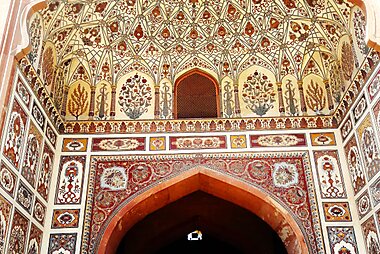
Major cities: Lahore is the cultural heart of Punjab, with Mughal-era forts and mosques. Karachi is the country's largest city and main port, on the Arabian Sea coast. Islamabad is the modern, planned capital, set against the Margalla Hills. Multan is known for its Sufi shrines, and Peshawar for its ancient bazaars near the Khyber Pass.
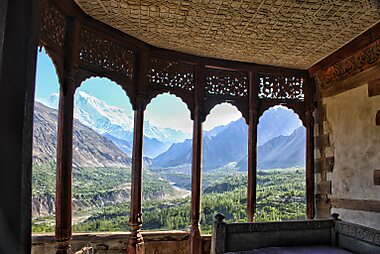
The mountain north: Hunza is a scenic valley of terraced orchards and forts along the Karakoram Highway. Skardu is the gateway to K2 and the wider Karakoram, with access to alpine lakes and high-altitude trekking. Chitral sits in a remote valley near the Afghan border, home to the small Kalasha community and their distinct culture.
The coast: Gwadar is a fishing port and free-trade zone on the Arabian Sea, with quiet beaches and a growing profile as a deep-sea port town.
Pakistan – Plan Your Trip
Pick the places you want to see and Tripomatic turns them into a day-by-day route, with smart routing, time estimates, and everything you need for a perfect trip.





