



Sydney
Sydney is Australia's largest city, built around a large natural harbour. Two icons define its skyline: the sail-shaped Sydney Opera House and the arched Sydney Harbour Bridge. The city also has a strong beach culture, with famous surf beaches close to the centre.
A visit here mixes harbour sightseeing with time outdoors. Ferries cross the harbour throughout the day, and several coastal walks link the beaches. Waves of migration from Asia and Europe shaped the food scene, giving the city a wide range of cuisines. Sydney suits travelers who want a few days combining harbour views, beaches, museums, and galleries.

Sydney – Planning a Trip?
Build your day-by-day itinerary in the Tripomatic app.


When to visit
Spring (September to November) and autumn (March to May) are mild and pleasant, with warm days and cooler nights. Summer (December to February) is hot and humid, while winter (June to August) is cool but rarely cold.
Plan around Vivid Sydney, a large light, music, and ideas festival held over several weeks from late May into June, when landmarks around the harbour are lit up after dark.
Best time to visit: January, April, September, October, November, December
Expect afternoon thunderstorms in summer, and more sunny days from May through October.
Top sights
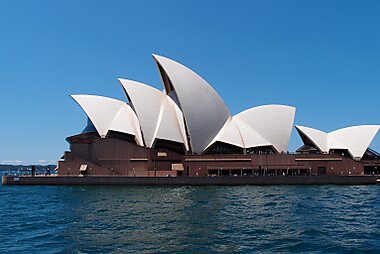

Sydney Opera House is Sydney's most famous building, a performing arts venue with a distinctive sail-shaped roof completed in 1973. Guided tours go behind the scenes, or you can watch a show inside.
Sydney Harbour Bridge is one of the world's largest steel arch bridges, linking the city centre with the North Shore. Walk across on the pedestrian path, or climb its arch for harbour views.
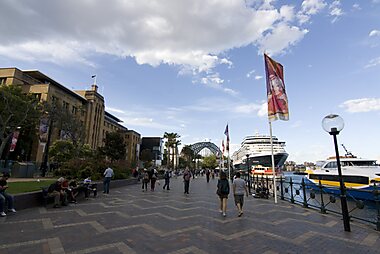
Circular Quay is the main harbour wharf and the starting point for most ferries. From here it is a short walk to The Rocks, the site of the first European settlement, where Cadman's Cottage is Sydney's oldest surviving house.
Royal Botanic Garden is a large harbourside garden next to the Opera House, with free entry and views across the water.
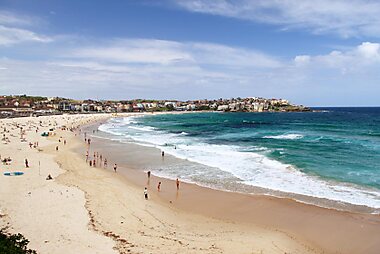
Bondi Beach is Sydney's best-known surf beach, with a long stretch of sand backed by cafes and a clifftop walking path.
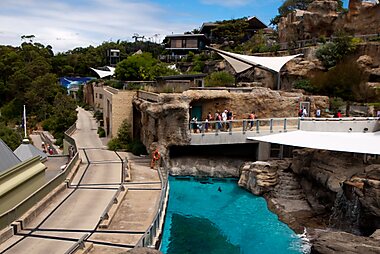
Taronga Zoo sits on the harbour and is home to native Australian animals, including koalas, alongside species from around the world.
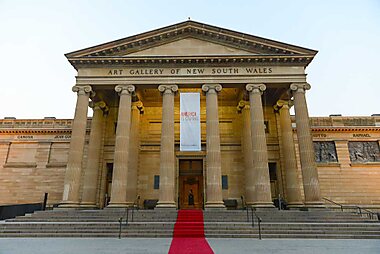
Art Gallery of New South Wales holds a major collection of Australian, Aboriginal, and international art, and entry to the permanent collection is free.
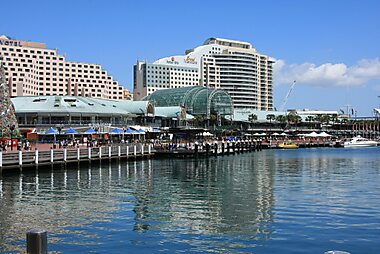
Darling Harbour is a waterside precinct with restaurants, an aquarium, and family attractions around a public plaza.
Featured Lists


Sydney's Best Sights
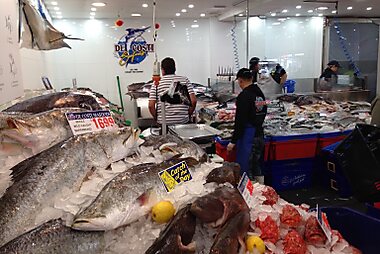
Explore Sydney’s coastal and architectural history through its most prominent landmarks. This collection spans the world-famous surf breaks of Bondi and Manly to the 19th-century Colonial Regency design of Elizabeth Bay House. It features the Sydney Fish Market—the world's third-largest seafood hub—alongside historic vantage points like Pylon Lookout and Observatory Hill Park. Outdoor highlights include the cliffside Bronte Baths and The Corso, a pedestrian thoroughfare connecting the harbor to the ocean since 1854.
8 places


What to experience
Sydney offers active, harbour-focused ways to spend a day beyond simple sightseeing.
- Climb the bridge: BridgeClimb takes small groups up the arch of the Harbour Bridge to a summit platform 134 metres above the harbour.
- Walk the coast: The Coastal Walk links Bondi Beach and Coogee Beach along the cliffs, passing several smaller beaches and a seaside cemetery.
- Eat at the fish market: Buy fresh seafood at Sydney Fish Market and eat it at the outdoor tables overlooking the water.
- Ride vintage rides: Luna Park, a historic harbourside amusement park, has operated since 1935.
- Cross the harbour by ferry: Catching a ferry between Circular Quay and Manly Beach gives some of the best skyline views in the city, especially near sunset.
Tours & Activities
Sydney — Map

 Open the interactive map
 Day trips
Several rewarding destinations lie within a few hours of Sydney by train or car, from national parks to historic wine country.
- Royal National Park — about 1 hour by train from Central Station. One of the world's oldest national parks, with coastal walking trails and quiet beaches.
- Blue Mountains — about 1.5–2 hours by train from Central Station. A UNESCO World Heritage-listed mountain range with eucalyptus forest, dramatic sandstone cliffs, and the Three Sisters rock formation.
- Hunter Valley — about 2 hours by car or bus. Australia's oldest wine region, with dozens of cellar doors open for tastings.
Getting there
- By air: Sydney Airport (SYD), also called Kingsford Smith Airport, is about 8 km south of the city centre. The Airport Link train reaches Central Station in about 15 minutes; a taxi or rideshare takes about 20–30 minutes depending on traffic.
- By train: NSW TrainLink runs long-distance trains from Central Station to Melbourne, Canberra, and Brisbane, though journeys take many hours; flying is faster for these routes.
- By bus: Long-distance coaches depart from the Sydney Coach Terminal at Central Station, connecting to towns across New South Wales and interstate.
Getting around
- Public transit: Trains, buses, ferries, and light rail cover the metropolitan area. Tap a contactless bank card or phone directly on entry and exit — there is no need to buy a separate ticket or card in advance. The official journey planner is at Transport for NSW.
- Ferries: A ferry from Circular Quay is one of the easiest ways to see the harbour, with regular services to Manly Beach, Taronga Zoo, and Darling Harbour.
- Taxi / ride-hailing: Uber, Ola, and regular taxis operate throughout the city.
- On foot: The city centre and harbour front are walkable, but the beaches and outer suburbs are spread out and usually need transit.
Driving
- Is a car worth it?: Not for the city centre — public transit covers the main sights, and traffic and parking are heavy. A car is useful for day trips to Blue Mountains or Hunter Valley.
- Parking: City-centre parking is expensive, with multi-storey car parks charging by the hour. Many visitors park at an outer train station and ride in instead.
- Driving side: Australia drives on the left.
- Tolls: Sydney's motorways are fully electronic toll roads with no cash booths; rental cars usually have tolling set up automatically.
Food & drink
Sydney's food scene leans on fresh seafood and reflects decades of migration from Asia, the Mediterranean, and beyond. Modern Australian restaurants often mix these influences on one menu.
For a genuinely distinctive bite, Harry's Cafe de Wheels has served meat pies from a dockside van since 1945, a long-running Sydney landmark. For a concentration of Asian eateries, head to Chinatown along Dixon Street, a few minutes' walk from Darling Harbour.
Safety & health
Sydney is a safe city for tourists, and violent crime against visitors is rare. Stay alert for pickpocketing in crowded tourist areas and on public transport late at night.
The sun is strong even on mild days — wear sunscreen and a hat, especially between 10am and 3pm. At the beach, swim only between the red and yellow flags, where lifeguards watch for rip currents; conditions can be dangerous outside these patrolled areas.
History
Sydney sits on land the Gadigal people, part of the Eora Nation, have lived on for tens of thousands of years. In 1788, a British fleet landed at Sydney Cove and founded the first European settlement in Australia, beginning decades of penal transportation to the colony.
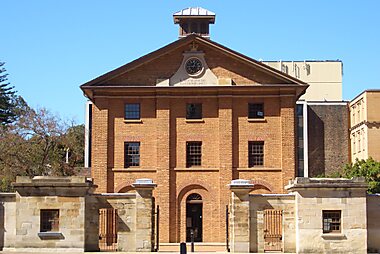
Cadman's Cottage in The Rocks is the oldest surviving house from this early colonial period. Nearby, Hyde Park Barracks once held convicts and is now a museum on that era. The city's two most famous structures came much later: Sydney Harbour Bridge opened in 1932, and Sydney Opera House followed in 1973 after more than a decade of construction.
Country facts
Quick practical facts for Australia at a glance:
- Currency
- Australian Dollar AUD A$ · Card payments · Widely accepted
- Emergency numbers
- 000 Police · Ambulance · Fire brigade
- Electricity
- 230 V · 50 HzType I
- Tap water
- Safe to drink
- Driving side
- Left
- Calling code
- +61


Sydney – Plan Your Days
Turn the places from this guide into a real itinerary, with smart routing, time estimates, and everything you need for a perfect trip.




