



Zambia
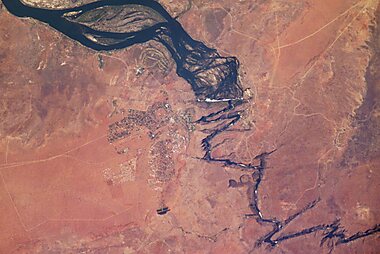
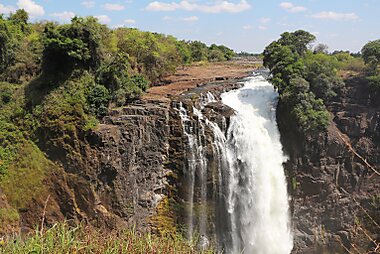
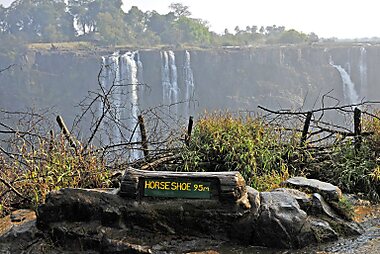
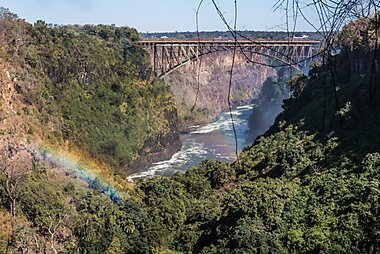
Zambia is a landlocked country in southern Africa, centered on the Zambezi River and a high, wooded plateau. It is known for wildlife rather than beaches or ancient monuments. The country protects some of Africa's least crowded national parks, and pioneered the walking safari in South Luangwa National Park. Its best-known sight is Victoria Falls, one of the largest waterfalls in the world, shared with Zimbabwe.
Zambia became independent from Britain in 1964, led by founding president Kenneth Kaunda. The country suits travelers who want wildlife and open space over nightlife and crowds. Distances between parks are large and roads outside the cities are basic, so most trips focus on two or three regions rather than the whole country. The dry season runs from May to October and is the easiest time to visit. Rivers stay high enough for boat safaris early in the season, and animals gather around shrinking waterholes later on.




Zambia – Planning a Trip?
Build your day-by-day itinerary in the Tripomatic app.


Money & payments
Cards work in hotels, lodges, and city supermarkets, but cash is still essential outside Lusaka and Livingstone — small guesthouses, local markets, and rural fuel stations often take only Kwacha. ATMs are common in Lusaka and Livingstone but scarce elsewhere, so withdraw what you need before heading into a park. Some safari operators and top-end lodges quote and settle bills in US dollars. Carry small-denomination notes for that case.
Featured Lists

Tours & Activities
Zambia — Map

 Open the interactive map
 Tipping
Tipping is customary in the tourism industry, especially on safari, though optional almost everywhere else. Restaurant staff and hotel porters appreciate a tip but rarely expect one; bars generally see none at all. Safari guides and trackers are the exception — a daily tip per guest is the norm and often forms a meaningful part of their income.
round up or about 10%
small tip for porters and housekeeping
round up
daily tip per guest on safari
Electricity
Zambia uses Type C and Type G electrical outlets at 230 V / 50 Hz — the same British-style three-pin sockets used across much of southern Africa; a European two-pin plug needs an adapter.
Language
English is Zambia's official language and is used in business, road signs, and virtually all tourism services, so navigation is straightforward. At home, most Zambians speak one of more than 70 local languages instead — commonly Bemba in the Copperbelt and north, Nyanja around Lusaka and the east, Tonga in the south, and Lozi in the west. A few words in the local language of the region you are visiting are always well received.
Staying connected
Prepaid SIM cards from MTN, Airtel, or Zamtel are available at the airport and in town, and you will need your passport to register one — a standard requirement, so budget a few extra minutes for it. Coverage is solid in cities and along main roads but drops to patchy or none inside the larger national parks; most safari lodges rely on satellite internet or Wi-Fi for guests instead of mobile signal.
Safety & emergencies
Zambia is generally safe for tourists, and violent crime against visitors is rare. The most common issues are opportunistic theft in crowded markets and bus stations, plus scams targeting tourists around Victoria Falls — agree on prices for informal tours or curio purchases before you commit. Walk with a guide after dark in unfamiliar areas, and never approach wildlife on foot outside a guided walking safari.
Health
Tap water is not safe to drink untreated anywhere in Zambia; stick to bottled or filtered water, including for brushing teeth. Malaria risk is present across the country, and higher in low-lying river valleys such as South Luangwa and Lower Zambezi, so talk to a travel clinic about prophylaxis and pack repellent. A yellow fever vaccination certificate is required if you are arriving from a country with risk of yellow fever transmission — check current requirements before you travel. Pharmacies are well stocked in Lusaka and Livingstone but limited elsewhere, so bring a basic first-aid kit and any prescription medication you need.
Visas & entry
Many nationalities, including most of the EU, the UK, the US, and Commonwealth countries, can get a visa on arrival or apply online for an e-visa before travel. Zambia and Zimbabwe also offer a joint KAZA Univisa, valid for both countries and for day trips into Botswana's Kazungula area, which is convenient if you plan to see Victoria Falls from both sides. A passport valid for at least six months beyond your travel dates is required.
Visa and entry requirements change frequently. Verify current requirements with the official immigration authority or your country's embassy before travel.
Etiquette
Greetings matter: take a moment to ask how someone is doing before getting to business, even in shops and offices. Shake hands when meeting someone, and use the right hand, or both hands, to give or receive items. Dress modestly outside lodges and pools — shorts and vests are fine at safari camps but not in towns or at religious sites. Ask before photographing people, especially in villages, and expect that some will ask for a small fee in return.
Holidays & opening hours
Public holidays close banks, government offices, and many shops, though supermarkets in the main cities usually stay open. Book accommodation ahead around Independence Day (October 24) and the Christmas–New Year period, when Zambians travel to see family.
Most shops keep standard daytime hours and close by early evening; outside Lusaka and Livingstone, expect a slower pace and shorter Sunday hours.
Getting around
- By air: domestic flights are the practical way to cover Zambia's distances — Proflight Zambia connects Lusaka with Livingstone, the Copperbelt, and airstrips near the main parks. Flying saves a full day of driving between, say, Lusaka and South Luangwa.
- By road: intercity coaches link the main towns and are the cheapest way to travel, but journeys are long and buses vary in comfort. Reaching most national parks means a private transfer or self-drive with a high-clearance vehicle, especially in the rainy season (November–April), when unpaved roads can become impassable.
- By rail: the passenger rail network is slow and limited, and mostly carries freight; it is not a practical option for touring the country.
Zambia drives on the left.
Driving
- Key rules: seatbelts are compulsory in front and rear seats, and using a handheld phone while driving is illegal. Carry your driving license, vehicle registration, and proof of insurance at all times — police checkpoints on the main highways are routine, not a sign of trouble.
- Tolls: several major highways charge a toll at gates roughly every 100–200 km, payable in cash (Kwacha) or sometimes by card. Keep small notes on hand.
- Parking: paid parking with an attendant is standard in Lusaka and Livingstone's city centers; elsewhere, parking is usually free and informal.
- Fuel: stations in cities and along main routes are staffed and take cards; in remote areas near the parks, fuel is cash-only and can run low, so fill up whenever you pass a station with stock rather than waiting until your tank is empty. Pumps are labeled Petrol and Diesel.
Food & drink
The Zambian staple is nshima, a thick maize porridge eaten with the hands and served with a relish of vegetables, beans, or meat — it appears at lunch and dinner across the country, from home kitchens to city restaurants. Breakfast is usually simpler: bread, tea, and sometimes fritters or leftover nshima. Village chicken, grilled or stewed, and fish from the Zambezi, Kafue, or Lake Tanganyika are common relishes, along with kapenta, a small dried fish eaten whole.
Street food and market stalls sell grilled maize and fried dough, and bus stations are good places to find cheap, filling meals between towns. Mosi, a lager named after Victoria Falls' local name Mosi-oa-Tunya ("the smoke that thunders"), is the most widely available local beer; munkoyo, a fermented maize-root drink, is a common non-alcoholic option in homes and markets. Restaurants in Lusaka and Livingstone range from simple local canteens to international menus aimed at tourists, while safari lodges typically serve set multi-course meals built around local ingredients.
Where to explore
Lusaka is Zambia's capital and the country's main transport hub, where most international flights land. It is not a major sightseeing destination itself, but Lusaka National Museum and the craft stalls of Kabwata Cultural Village are worth an afternoon before heading out to the parks.
Livingstone is Zambia's tourism capital, built around Victoria Falls on the Zambezi River. Beyond the falls themselves, The Livingstone Museum covers the region's history, and the town is the launch point for white-water rafting, bungee jumping, and sunset river cruises.
Zambia's national parks are the main reason most visitors come, and each has a distinct character:
- South Luangwa National Park is the birthplace of the walking safari and one of Africa's best places to see leopards.
- Lower Zambezi National Park faces Zimbabwe's Mana Pools across the river and is known for canoe safaris among elephants and hippos.
- Kafue National Park is one of Africa's largest national parks, with far fewer visitors than its size and wildlife would suggest.
- North Luangwa National Park is remote and undeveloped, for travelers who want a true wilderness experience.
- Kasanka National Park hosts one of the world's largest mammal migrations by number of individuals, when millions of fruit bats gather between October and December.
- Liuwa Plain National Park has one of Africa's great wildebeest migrations, on a remote floodplain in the far west.
- Sioma Ngwezi National Park and Nsumbu National Park are Zambia's least-visited parks, bordering Angola and Lake Tanganyika respectively.
The Copperbelt cities of Ndola and Kitwe are Zambia's industrial heartland and see few tourists, though they make convenient stops if you are traveling overland through the Copperbelt. Mongu is the gateway to the Barotse Floodplain in the west, and Chipata is the usual road access point for South Luangwa National Park.
Zambia – Plan Your Trip
Pick the places you want to see and Tripomatic turns them into a day-by-day route, with smart routing, time estimates, and everything you need for a perfect trip.


Related destinations


Data: © OpenStreetMap contributors, Wikidata, Wikipedia, Tripomatic, Official websites, geoBoundaries (CC BY 4.0). Tours by GetYourGuide. We earn commission from bookings. Travel guide generated with AI.