
Best Museums in Romania
-
Antim Monastery
The Antim Monastery is located in Bucharest, Romania on Mitropolit Antim Ivireanu Street, no. 29.
-
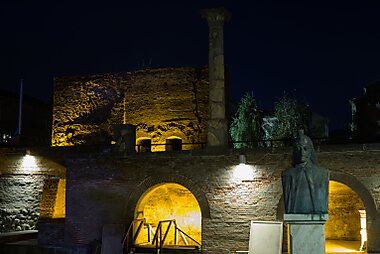
"The Old Court" - Princely Palace
Curtea Veche was built as a palace or residence during the rule of Vlad III Dracula in 1459.
-
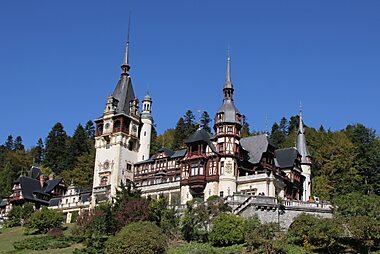
Peleș Castle
Peleș Castle is a historic royal summer residence and museum located in Sinaia, Romania. Built in the late 19th century at the initiative of King Carol I, it features Neo-Renaissance architecture and extensive art collections.
- D
 Kyle Thayer / Public domain
Bran Castle
Bran Castle is a historic fortress in Transylvania, Romania, renowned for its association with the Dracula legend. It serves as a museum displaying art, furniture collected by Queen Marie, and medieval artifacts, attracting visitors interested in history, architecture, and local culture.
-
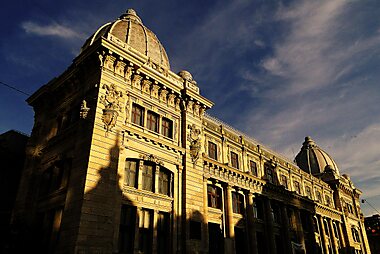
National History Museum of Romania
The National History Museum of Romania is a museum located at 12 Calea Victoriei in Bucharest, Romania, which contains Romanian historical…
-
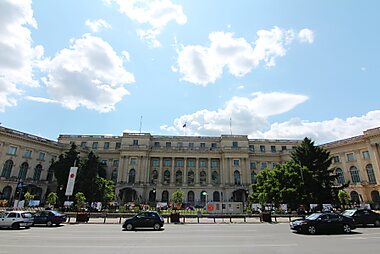
National Museum of Art of Romania
The National Museum of Art of Romania is located in the Royal Palace in Revolution Square, central Bucharest.
-
Spring Palace
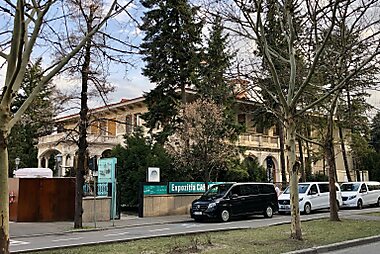
Former residence of the Ceaușescu family and a site for hosting foreign leaders, now serving as an exhibition space and museum. It was originally constructed as a protocol residence between 1964 and 1965.
-
Turda Salt Mine
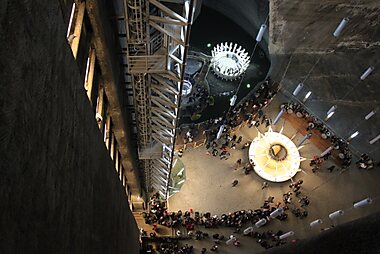
Turda Salt Mine is a spectacular underground complex in Transylvania, Romania, offering unique experiences for sightseeing, health, and leisure. It is recognized as one of the most impressive tourist attractions worldwide, featuring underground galleries, recreational facilities, and salt therapy benefits.
-
Râșnov Citadel
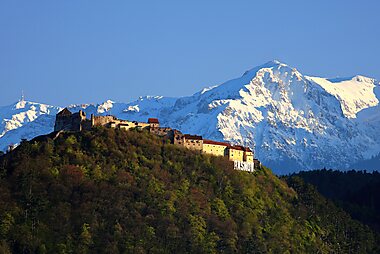
Râșnov Fortress is a well-preserved fortified complex located on the limestone hill of Râșnov, Brașov, and is one of the best-preserved fortified ensembles in Transylvania. It offers visitors the chance to explore the walls, a feudal art museum, historical artifacts, and recreational activities inside the fortress.
-
"Corvin Castle" Museum
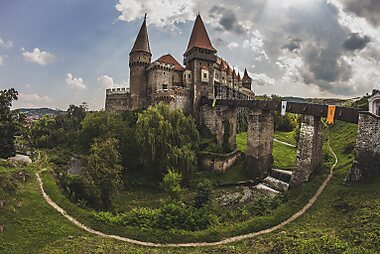
Corvin Castle, also known as Hunyadi Castle or Hunedoara Castle, is a Gothic-Renaissance castle in Hunedoara, Romania.
-
Deva Fortress
Deva Fortress is a medieval fortress built in the 13th century, situated on top of a volcanic hill in Deva, Romania. It is a historical monument with military, administrative, and penitentiary roles, attracting visitors due to its architecture and scenic views.
-
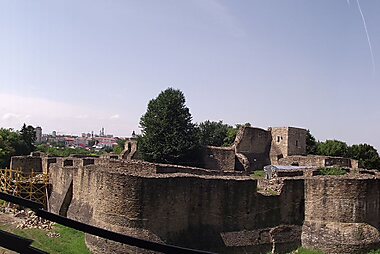
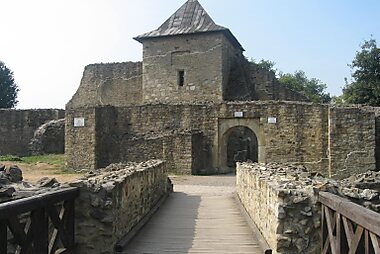
Princely Court of Suceava
The Medieval Seat Fortress of Suceava is a fortified castle in the middle-sized town of Suceava, the county seat town of Suceava County,…
-
National Museum of Transylvanian History
The National Museum of Transylvanian History is a history and archaeology museum in the city of Cluj-Napoca, Romania.
-
Ethnographic Museum of Transylvania
The Ethnographic Museum of Transylvania is situated in Cluj-Napoca, Romania.
-
Museum of Banat
The National Museum of Banat is a museum in Timișoara, Romania, headquartered in Huniade Castle.
-
Bukovina Museum
The Bukovina Museum is a museum located in the Romanian middle-sized town of Suceava, the seat of Suceava County, named after the…
-
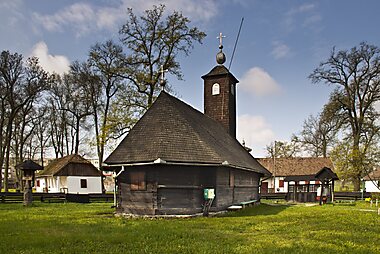
Banat Village Museum
The Banat Village Museum is an open-air ethnographic museum in northeastern Timișoara, at the edge of the Green Forest.
-
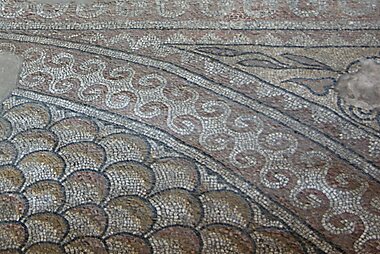
Roman Mosaic Building
The Roman Mosaic Building is a county museum located in the historic center of Constanța, featuring mosaics and artifacts from the Roman period. It provides insight into the port and constructions during the Roman Empire, making it an important attraction for those interested in ancient history and archaeology.
-
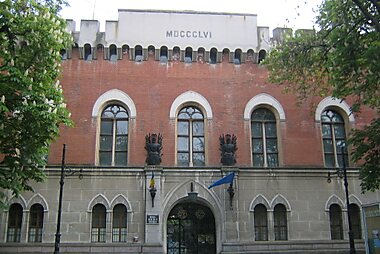
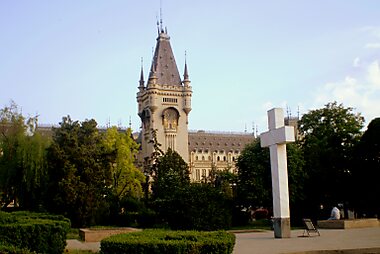
Palace of Culture
The Palace of Culture is an edifice located in Iași, Romania. The building served as Administrative and Justice Palace until 1955, when its…
-
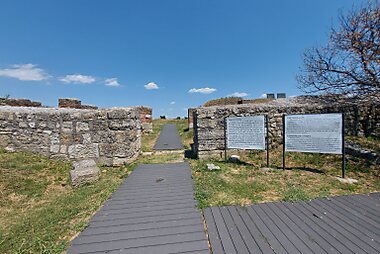
Sucidava Roman Fortress in Celeiu
Sucidava was a Dacian and Daco-Roman city situated in Corabia, Romania, on the north bank of the Danube.
-
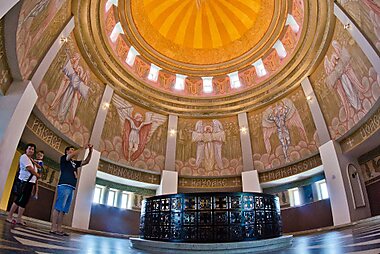
Marasesti Mausoleum
The Mausoleum of Mărășești is a memorial site in Romania containing remains of 5,073 Romanian soldiers and officers killed in the First…


Plan Your Day-by-Day Itinerary
Create a detailed travel itinerary with smart routing, time estimates, and everything you need for a perfect trip.





Tours & Activities
Plan Your Day-by-Day Itinerary
Create a detailed travel itinerary with smart routing, time estimates, and everything you need for a perfect trip.
