


Burdeos
Bordeaux is a river city on the Garonne, in south-west France. It is the capital of Nouvelle-Aquitaine and a famous wine capital. The centre is built of pale 18th-century stone, and the whole historic core is a UNESCO World Heritage Site.
It suits a long weekend. The centre is flat and compact, easy on foot and by tram. You can mix museums and quays with wine tastings, and visit vineyards, oyster villages and Atlantic beaches on day trips. The writer Michel de Montaigne was once mayor of the city.

Burdeos – ¿Estás planeando un viaje?
Crea tu itinerario día a día en la app de Tripomatic.


Cuándo viajar
Late spring (May and June) and early autumn (September and October) are the best times. Days are warm, the terraces are open and crowds are smaller than in high summer. July and August are hot and busy. Winter is mild but grey and wet.
The grape harvest in September and October is the best time to visit wine estates. Many offer tours and tastings then.
Mejor época para viajar: mayo, junio, julio, septiembre, octubre
Lugares destacados
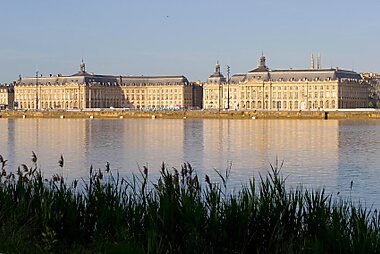
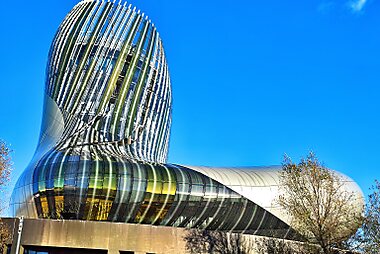
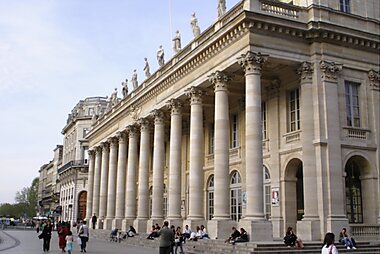
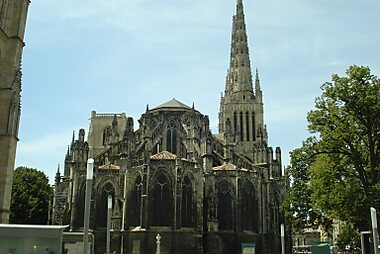
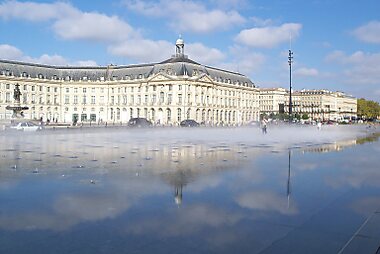
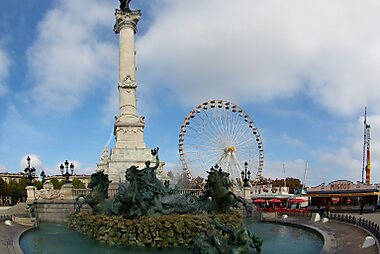
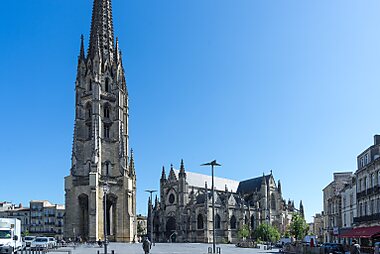
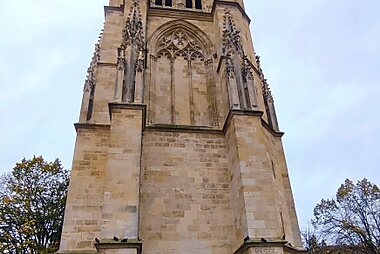
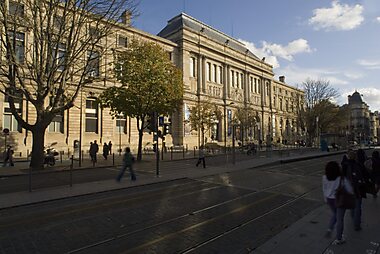
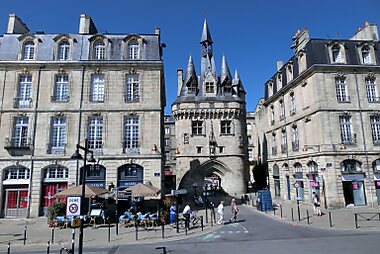
- Place de la Bourse is the grand 18th-century square on the river. It is the best place to start your visit.
- Miroir d'Eau lies across the road. It is a shallow pool that mirrors the buildings. Children play in it on hot days.
- Grand Théâtre is a neoclassical opera house from 1780, designed by Victor Louis. Its columned front is a landmark of the old centre.
- Esplanade des Quinconces is one of the largest city squares in Europe. It has the tall monument to the Girondins and two columns facing the river.
- Cathédrale Saint-André is a Gothic cathedral and a UNESCO pilgrimage site. Its separate bell tower, Tour Pey Berland, can be climbed for city views.
- Basilique Saint-Michel is a Gothic church with a detached spire, about 114 m tall. It stands on a lively square in the south of the old centre.
- Porte Cailhau is a medieval river gate. It is a short walk from the Place de la Bourse.
- Cité du Vin is the modern wine museum by the river. The top-floor viewing deck includes a glass of wine.
- Base Sous-Marine de Bordeaux is a huge concrete submarine base from the Second World War. It now hosts large digital art shows.
Listas destacadas


Qué experimentar
- River trip: Take a BatCub shuttle or a river cruise on the Garonne in summer. You see the quays and the lifting bridge from the water.
- Cycle the river bank: Ride the path along the right bank for views back to the old centre.
- Sunday market: The Chartrons quays hold a lively food market on Sunday mornings. Locals shop here and stay for brunch.
- Evening digital art: Watch a large-scale light show inside the old submarine base at Base Sous-Marine de Bordeaux.
- Wine estate visit: In the harvest season, book a château tour and tasting in the countryside around the city.
Tours y actividades
Burdeos — Mapa

 Abrir el mapa interactivo
Excursiones de un día
Most trips are easy to do in one day. Wine country needs a car or a tour for the best visits.
- Arcachon and the Dune du Pilat: about 1 hour by train to Arcachon. It is a seaside town on a bay known for its oysters. The Dune du Pilat, the largest sand dune in Europe, is about 10 km south and needs a bus, bike or car.
- Saint-Émilion: about 35 km east, roughly 40 to 50 minutes by train or car. This hill town is a UNESCO site with limestone streets, a huge underground church and vineyards all around. Local macarons are a famous treat.
- Médoc wine estates: about 1 hour by car. Famous châteaux lie along the Garonne and the Gironde estuary. Book tastings in advance, or take an organised tour.
- Cap Ferret: about 1.5 hours by car, or take the boat from Arcachon. It is a long sandy peninsula with oyster huts and beaches.
Qué explorar
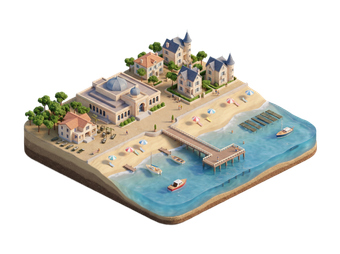
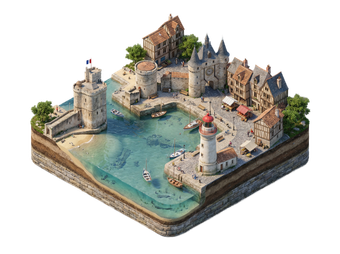
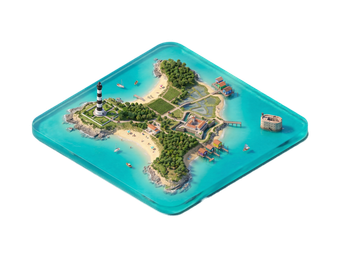
- Atlantic coast: Arcachon, La Rochelle and Oleron Island are the main coastal destinations in the region.
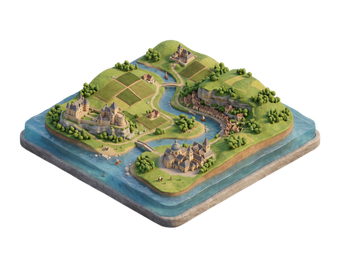
- Inland and south: Dordogne has castles and river valleys. Pau lies near the Pyrenees.
- Region: Bordeaux is the capital of Nouvelle-Aquitaine.
Cómo llegar
- By air: Bordeaux–Mérignac (BOD) is west of the city and has flights to many French and European cities. Tram line A runs from the airport to the centre in about 35 minutes.
- By train: Fast trains from Paris Montparnasse reach Gare Saint-Jean in about 2 hours. Regional trains also serve Toulouse, Arcachon and the Atlantic coast. Book on SNCF Connect.
- By bus: Long-distance coaches stop near Gare Saint-Jean. They are cheaper than the train but slower.
Cómo desplazarse
- Public transit: The TBM network has trams, buses and the BatCub river shuttle. Buy tickets in the TBM app or at machines at tram stops, then validate them when you board. Plan trips with TBM.
- Bicycle: The city is flat and has many bike lanes. The VCub bike-share is a good option for short trips.
- On foot: Most sights in the old centre are within 15 minutes of each other. Tram stops help you reach the Cité du Vin and the Chartrons.
Conducción
- Is a car worth it? Not for the city. A car is useful for visiting wine estates and the coast.
- Parking: Underground car parks in the centre are expensive. Park-and-ride lots at the tram terminals are cheaper and take you into town by tram.
- Restrictions: The old centre has many pedestrian streets and limited traffic zones.
Gastronomía
Bordeaux is a wine city first. Red wine is sold everywhere, and most wine bars offer glasses by the pour. For a short tasting course, try the viewing deck at Cité du Vin.
Look for the canelé, a small caramelised pastry flavoured with rum and vanilla. Typical dishes include entrecôte with a red wine and shallot sauce, and oysters from the Arcachon bay.
- Where to eat: Marché des Capucins is the best market for a casual lunch. The streets around Place Saint-Pierre and the Chartrons quarter are good for dinner.
Seguridad y salud
Bordeaux is a safe city for visitors. The main risk is petty crime. Watch for pickpockets in crowded places such as Rue Sainte-Catherine, trams and around Gare Saint-Jean. Lock your bicycle with a strong lock, because bike theft is common. Late at night, avoid empty areas near the station.
Historia
Bordeaux began as the Celtic and Roman town of Burdigala. The ruins of a Roman amphitheatre, Amphitheatre of Bordeaux, still stand north-west of the centre.
In the Middle Ages the city came under English rule after Eleanor of Aquitaine married Henry II. It became French again after the Battle of Castillon in 1453. English demand for local wine made the port rich.
The 18th century was the golden age. Trade with the Americas, including the slave trade, financed the elegant stone buildings you see today. The history of this trade is explained in Musée d'Aquitaine. Place de la Bourse and the quays date from this period. The city was also the temporary seat of the French government in 1870, 1914 and 1940.
Datos del país
Quick practical facts for France at a glance:
- Moneda
- euro EUR € · Pago con tarjeta · Ampliamente aceptado
- Teléfonos de emergencia
- 112
- Electricidad
- 230 V · 50 HzTipo C / Tipo E
- Idiomas
- francés
- Agua del grifo
- Potable
- Sentido de la circulación
- Derecha
- Prefijo telefónico
- +33


Burdeos – Planifica tus días
Convierte los lugares de esta guía en un itinerario real, con rutas inteligentes, estimaciones de tiempo y todo lo que necesitas para un viaje perfecto.


Destinos relacionados
Data: © OpenStreetMap contributors, Wikidata, Wikipedia, Tripomatic, Official websites. Tours by GetYourGuide. We earn commission from bookings. Travel guide generated with AI.
Planifica tu viaje con Tripomatic
- Planificación con IAConsigue un día listo con un solo toque, deja que la IA distribuya tu lista de deseos a lo largo de tu viaje o planifícalo todo chateando.
- Alertas de viajeAvisos oficiales, alertas meteorológicas, huelgas y desastres naturales para los lugares de cada día de tu viaje.
- Festivos y eventosConsulta festivos, festivales y cierres durante los días de tu viaje, y qué implican para tus planes.
- Estimación de costesDesgloses de costes de viaje con IA para saber qué presupuesto necesitas antes de salir.
- Tours y entradasReserva tours, entradas sin colas y actividades directamente desde tu plan.