



Manila
Manila is the capital of the Philippines and the most densely populated city in the world. It is loud, hot and crowded, but it also holds the country's deepest layers of history. Spanish churches, a walled colonial city, the oldest Chinatown in the world and the country's best museums all sit within a few kilometres of each other on the shore of Manila Bay.
Most visitors spend one to three days here before flying on to the islands. That is enough for the old walled city of Intramuros, the national museums, a food walk through Binondo and a sunset over the bay. The city is also closely tied to José Rizal, the national hero, who was imprisoned and executed here. Come for history and street life rather than polish.

Manila – ¿Estás planeando un viaje?
Crea tu itinerario día a día en la app de Tripomatic.


Cuándo viajar
Manila is hot all year. December to February is the most comfortable time, with less rain and slightly cooler evenings. March to May is the hottest time of the year. From late May to October the rainy season brings heavy downpours, street flooding and the risk of typhoons, so keep plans flexible. Rain eases in November.
The biggest event is the Traslación of the Black Nazarene on 9 January. Millions of barefoot devotees follow the statue from Rizal Park to Quiapo Church in a procession that starts before dawn and often goes on late into the night. Devotees climb onto the carriage to touch the statue. The crowds are enormous, so watch from a safe distance and avoid the Quiapo area if you only want to sightsee.
Mejor época para viajar: enero, febrero
Lugares destacados
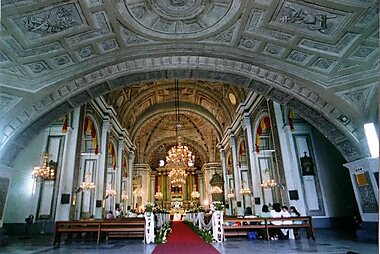
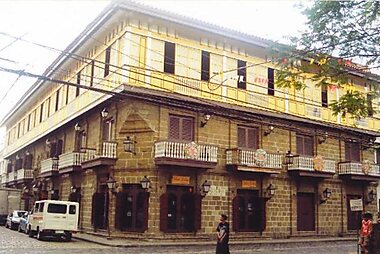
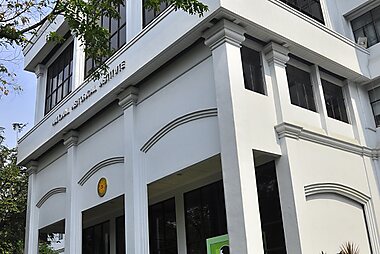
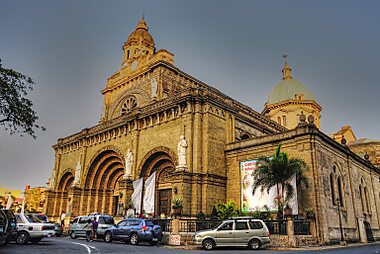


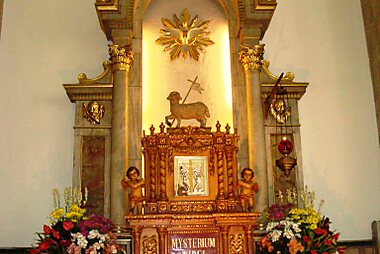
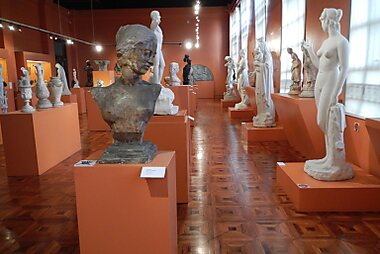
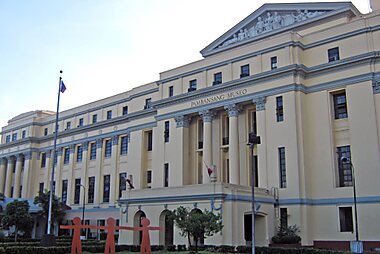
Most of Manila's sights are in or near Intramuros, the Spanish walled city, and around Rizal Park just south of its walls.
San Agustin Church is the oldest stone church in the country, completed in 1607, and part of a UNESCO World Heritage site. It was the only building in Intramuros to survive the fighting of 1945. Look up at the painted ceiling, which imitates carved stone, and visit the museum in the old monastery.
Fort Santiago guards the mouth of the Pasig River. The Spanish built it in stone in the 1590s. José Rizal was held here before his execution in 1896, and brass footprints mark his last walk.
Manila Cathedral has been rebuilt eight times since the 16th century; the current building dates from 1958. Opposite San Agustin, Casa Manila is a museum in a replica colonial mansion that shows how a wealthy 19th-century family lived.
Rizal Park is the city's main green space and the place where Rizal was executed. Rizal Monument holds his remains and is guarded day and night.
The national museums stand at the edge of Rizal Park, and entry is free. National Museum of Fine Arts displays Juan Luna's huge painting Spoliarium. National Museum of Natural History is known for its tree-like atrium under a glass dome, and National Museum of Anthropology covers the country's peoples and archaeology.
North of the river, Binondo was founded in 1594 and is called the oldest Chinatown in the world; its landmark is Binondo Church. In nearby Quiapo, San Sebastian Church is the only steel church in the country, with parts made in Belgium and completed in 1891.
Listas destacadas


Qué experimentar
A few things to do in Manila that you cannot do anywhere else:
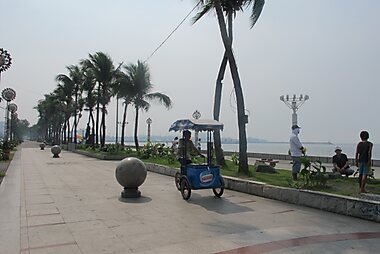
- Watch the sunset over Manila Bay from Baywalk on Roxas Boulevard. The skies over the bay are famous, and families come out in the evening.
- Ride a kalesa (horse-drawn carriage) through the streets of Intramuros, or walk along the top of the old walls at dusk.
- Take the Pasig River Ferry to see the city from the water. Get off at Escolta for the early 20th-century buildings of Escolta Street, once the city's grand shopping street.
- Join a Friday at Quiapo, when crowds pack Quiapo Church and the square outside fills with stalls selling candles, herbs and religious items.
- Visit a city of the dead: at Manila Chinese Cemetery, rich families built mausoleums that look like small houses, some with kitchens and toilets.
Tours y actividades
Manila — Mapa

 Abrir el mapa interactivo
Excursiones de un día
Traffic around Manila is slow, so leave early and expect travel times to vary a lot.
- Las Piñas (≈1 hour by car, south): St. Joseph Church holds the Bamboo Organ, finished in 1824 with pipes made almost entirely of bamboo. It is a short half-day trip.
- Corregidor (≈1 hour 15 minutes by ferry): This island fortress at the mouth of Manila Bay was the last stand of Filipino and American forces in 1942. Day tours leave in the morning from the Esplanade Seaside Terminal at the Mall of Asia complex in Pasay and include guided visits to the Malinta Tunnel and the Pacific War Memorial.
- Tagaytay (≈59 km, 1.5–2.5 hours by car or bus): A cool ridge-top town at about 630 m with wide views over Taal Lake and the volcano island. Try the local beef soup, bulalo.
- Taal (≈2.5–3 hours by car): A heritage town in Batangas with Spanish-era houses and a huge basilica. It combines well with Tagaytay on a longer day.
Qué explorar
The City of Manila is only one of the cities that make up Metro Manila. Many visitors also stay in or pass through its neighbours.
- Makati is the main business district, with hotels, malls, restaurants and the Ayala Museum.
- Pasay holds the airport, the Cultural Center of the Philippines and the Mall of Asia on the bay, where the Corregidor ferries leave.
- Taguig is home to Bonifacio Global City, a modern district of offices, shops and restaurants.
Cómo llegar
- By air: Ninoy Aquino International Airport (MNL) is about 7 km south of the city, between Pasay and Parañaque. It has three terminals, and a free shuttle bus links them. There is no rail link to the terminals, so most travellers take a taxi or a Grab car; allow 30–90 minutes to Intramuros or Ermita depending on traffic. Manila International Airport Authority
- By train: There are no long-distance passenger trains from Manila. The old commuter railway through the city is closed while a new line is built.
- By bus: Buses to northern Luzon leave from terminals in Sampaloc and along EDSA in Quezon City and Pasay. Buses to the south, including Tagaytay and Batangas, leave from the large PITX terminal in Parañaque.
Cómo desplazarse
- Light rail: LRT-1 runs north–south through the city along Rizal and Taft Avenues. Useful stations include Central Terminal for Intramuros, United Nations for Rizal Park, and Carriedo for Quiapo. Buy a single-journey ticket at the station or a rechargeable beep card. LRT-2 starts at Recto station and heads east; it also accepts contactless bank cards and phones at the gates. LRT-1 (Light Rail Manila)
- Jeepneys: These open-backed minibuses are cheap and run on fixed routes. Pay the driver in cash with small notes or coins. Routes are hard to read for first-time visitors.
- Pasig River Ferry: A free ferry runs Monday to Saturday from 6:00 to 18:00, with stops such as Escolta and Santa Ana. Bring a photo ID.
- Taxi and Grab: Grab is the easiest way to get around. If you take a street taxi, insist on the meter.
Conducción
- Is a car worth it?: Not for a city stay. Traffic is among the worst in Asia and parking is scarce. Use Grab or the train in the city, and hire a car with a driver for day trips.
- Number coding: On weekdays, from 7:00 to 10:00 and from 17:00 to 20:00, cars may not use major roads on one day a week, based on the last digit of the plate. Check this with your rental company.
- Parking: Use paid car parks at malls and hotels. Intramuros has paid parking areas near the main sights.
Gastronomía
Manila's food mixes Filipino, Spanish and Chinese traditions. Look for pancit (noodles), lumpia (spring rolls), siopao (steamed buns) and hopia (flaky bean pastries), all of which came through the city's Chinese community.
The best area to eat is Binondo. Walk along Ongpin Street and the narrow Carvajal Street alley for dumplings, noodle soups, fried snacks and old bakeries. A food walk here is one of the highlights of any visit. Around Quiapo, near the Golden Mosque, you will also find halal Muslim Filipino food. For sit-down dining, the malls and hotels near the bay in Ermita and Malate have plenty of choice.
Seguridad y salud
Manila is manageable for visitors who use normal city sense. The main risks are petty theft and scams, not violent crime.
- Pickpockets and bag snatchers work in crowded places such as Quiapo, Divisoria market, Binondo and the trains. Carry your phone in a front pocket and keep bags closed.
- Friendly-stranger scams: Be wary of people who start a conversation and invite you home, to a card game or to a "family event". This can end in robbery or drugged drinks.
- Taxis: Use Grab or insist on the meter in street taxis.
- Heat and floods: Drink plenty of water and plan outdoor visits for the morning. In the rainy season, streets can flood within minutes; avoid wading through floodwater.
Historia
Manila was already a trading port under Muslim rulers when the Spanish arrived. In 1571, Miguel López de Legazpi made it the capital of the Spanish Philippines and began the walled city of Intramuros. For 250 years, Spanish galleons sailed from here to Acapulco in Mexico, carrying silk and porcelain from China. The Chinese traders who supplied this trade were settled across the river in Binondo from 1594.
In the late 19th century, José Rizal wrote novels that inspired the fight for independence. The Spanish held him in Fort Santiago and shot him in 1896 in the park where Rizal Monument now stands. The United States took control two years later and built grand public buildings, such as the neoclassical Manila Central Post Office on the Pasig River, completed in 1928. A fire badly damaged it in 2023, which led to a major restoration.
The Battle of Manila in February and March 1945 destroyed much of the city. About 100,000 civilians died. In Intramuros, only San Agustin Church survived. Much of what you see inside the walls today, including Manila Cathedral, was rebuilt after the war.
Datos del país
Quick practical facts for the Philippines at a glance:
- Moneda
- peso filipino PHP · Pago con tarjeta · Habitualmente aceptado
- Teléfonos de emergencia
- 911
- Electricidad
- 220 V · 60 HzTipo A / Tipo B / Tipo C
- Idiomas
- inglés
- Agua del grifo
- No potable
- Sentido de la circulación
- Derecha
- Prefijo telefónico
- +63


Manila – Planifica tus días
Convierte los lugares de esta guía en un itinerario real, con rutas inteligentes, estimaciones de tiempo y todo lo que necesitas para un viaje perfecto.




