


Rímini
Rimini is two places in one. Along the sea, about 15 km of wide sandy beach is lined with numbered beach clubs, hotels and a long seafront promenade. This is the heart of the Romagna Riviera, Italy's classic summer holiday coast. A short walk inland, the compact old town has Roman monuments, a Renaissance cathedral and lively squares.
The city suits a beach holiday with easy culture on the side, a family trip, or a few days of history and food. Trains along the coast and buses into the hills make it a practical base for San Marino, Riccione and the medieval hill towns. Rimini is also the hometown of film director Federico Fellini, and his memories of the city run through many of his films.

Rímini – ¿Estás planeando un viaje?
Crea tu itinerario día a día en la app de Tripomatic.


Cuándo viajar
Summer is beach season: July and August are hot and humid, the beaches are full and nightlife runs late. June and September are the best balance of warm sea and fewer crowds. Spring and autumn are mild and good for sightseeing, though many beach hotels close from October to Easter. Winter is cool, damp and quiet.
The biggest event is La Notte Rosa ("the Pink Night"), a free festival around the summer solstice in June. For several days the whole Romagna coast holds concerts, shows and fireworks, often until sunrise. Book accommodation early if your dates overlap.
Mejor época para viajar: mayo, junio, julio, septiembre, octubre
Lugares destacados
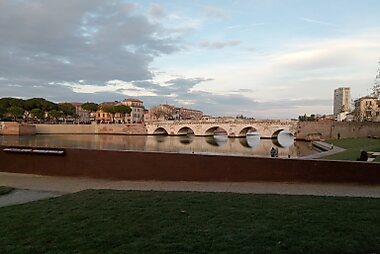
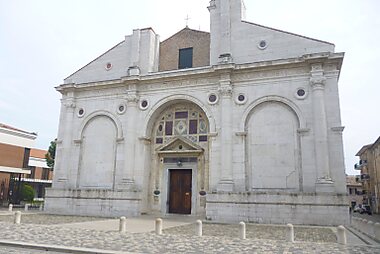
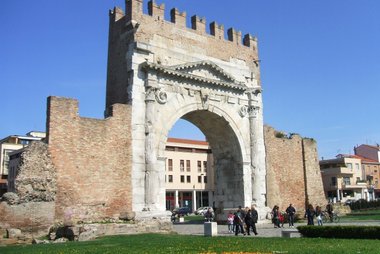
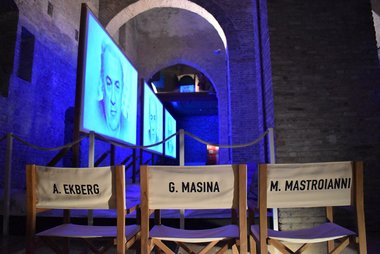
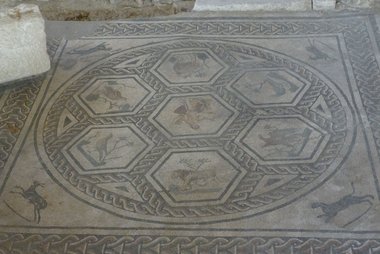
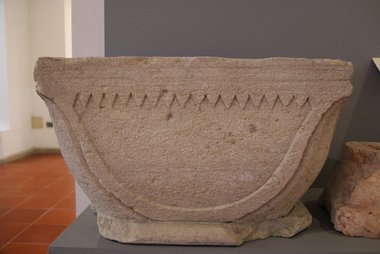
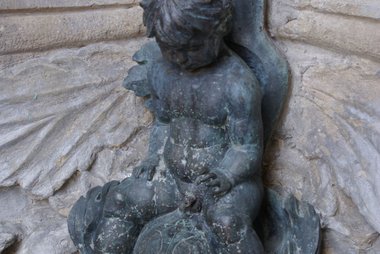
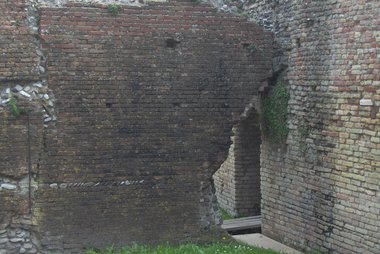
Rimini's old town is small, and the main sights are an easy walk from each other. The beach is about 15 minutes away on foot.
- Arch of Augustus was built in 27 BC where the Via Flaminia from Rome entered the town. It is one of the oldest surviving Roman arches.
- Bridge of Tiberius was finished in AD 21 and still carries traffic. Its five stone arches look best from the waterside park beside it.
- Tempio Malatestiano is the city's cathedral. Leon Battista Alberti redesigned it for the lord Sigismondo Malatesta in the 15th century, and inside are a crucifix by Giotto and a fresco by Piero della Francesca.
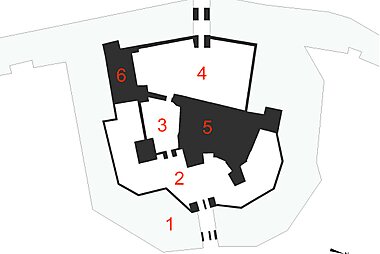
- Castel Sismondo is the 15th-century fortress of the Malatesta family. Today it is one of the venues of the Fellini Museum.
- Fellini Museum Rimini - Fulgor is the old cinema where young Fellini watched his first films. It now holds part of the museum about the director, and the cinema still shows films.
- Domus del chirurgo is a Roman house found in 1989. Glass walkways lead over its mosaics. It is named after a rare set of Roman surgical tools found inside.
- Museo della Città, Rimini is the civic museum next door, with Roman finds and paintings by Rimini's Renaissance artists.
- Piazza Cavour is the main square, with the Pigna fountain, Palazzo dell'Arengo and the Teatro Galli. It is the centre of evening life in the old town.
Listas destacadas


Qué experimentar
A visit to Rimini is as much about beach life and the evening walk as about the monuments.
- Spend a day at a beach club: most of the beach is divided into numbered "bagni". You rent an umbrella and sunbeds for the day, with showers, playgrounds and often a beach volleyball court. There are also some free public beach sections.
- Walk or cycle the seafront: the redesigned seafront promenade has gardens, play areas and bike paths. Early morning and sunset are the best times.
- Walk the harbour pier at sunset: the long pier at the canal mouth leads out to sea, with views back along the beach and the lighthouse.
- Look for the Fellini murals in Borgo San Giuliano: this old fishermen's quarter across the Bridge of Tiberius has painted walls with scenes from Fellini's films.
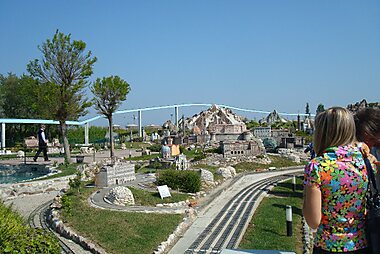
- With children, spend a day at Italia in Miniatura in Viserba, a park with hundreds of scale models of Italian and European landmarks.
Tours y actividades
Rímini — Mapa

 Abrir el mapa interactivo
Excursiones de un día
Rimini sits between the sea and the first hills, so castles and hill towns are close. Trains run along the coast, and buses and cars reach the hills.
- Santarcangelo di Romagna (10 min by train, 20 min by car): a hilltop town with medieval lanes, a Malatesta castle and old caves dug into the hill.
- Riccione (about 23 min by Metromare bus or 10 min by train): Rimini's livelier neighbour, known for its shopping street, beach clubs and nightlife.
- Gradara (about 30 min by car): a walled castle village on the border with the Marche. It is linked to the story of Paolo and Francesca from Dante's Inferno.
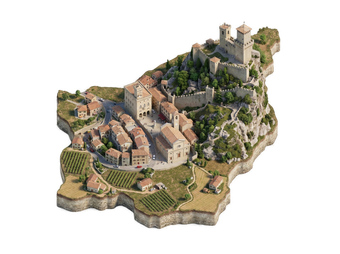
- San Marino (about 1 hour by direct bus from Rimini station, 35 min by car): one of the world's smallest countries. It has no railway, so the bus is the only public transport. Its three towers stand on a rock ridge with wide views to the sea.
- San Leo (about 40 min by car): a village on a steep rock topped by a dramatic fortress. Buses are infrequent, so a car is easier.
- Urbino (about 1 hour by car, or about 2 hours by train to Pesaro and then a bus): a UNESCO-listed Renaissance hill town with the grand Ducal Palace.
- Ravenna (about 1 hour by train): famous for its Byzantine mosaics. Eight of its early Christian monuments are on the UNESCO list.
Qué explorar
Right next to Rimini on the coast, Riccione continues the line of beaches and has its own resort atmosphere.
Inland along the railway and the old Via Emilia, the cities of Emilia-Romagna are easy to reach by train:
Cómo llegar
- By air: Rimini's Federico Fellini Airport is about 8 km south of the centre, 15 minutes by car. It has mostly seasonal flights from spring to October, and the Metromare stops nearby. Year-round, most travellers fly to Bologna Airport, then take the Marconi Express shuttle to Bologna Centrale and a train to Rimini (about 2 hours in total).
- By train: Rimini station is on the Adriatic main line, a short walk from the old town and about 15 minutes from the beach. Fast trains reach Bologna in about 1 hour and also run to Milan. Regional trains serve Ravenna, Pesaro and Ancona. Trenitalia
- By bus: long-distance coaches stop near the station. Direct buses run from the station to San Marino several times a day.
- By car: the A14 motorway passes the city, with exits Rimini Nord and Rimini Sud.
Cómo desplazarse
- On foot: the old town is flat and compact. The walk from the old town to the beach at Marina Centro takes about 15 minutes.
- By bike: Rimini is flat and very bike-friendly. Bike lanes follow the seafront for many kilometres, and many hotels lend bikes to guests.
- By bus: local buses and the Metromare are run by Start Romagna. You can pay on board by tapping a contactless bank card or phone on the validator (StarTap). From the third tap in a day on the same card, you never pay more than a day pass. You can also buy tickets in the Start Romagna app or at shops. Start Romagna
- Metromare: a fast electric bus on its own lane links Rimini station with Riccione station in about 23 minutes. It runs behind the beach hotels, so it is handy for getting along the seafront.
- Taxi: taxis wait at the station and in the main squares.
Conducción
- Is a car worth it?: not for the city and beach, which are easy on foot, by bike and by bus. A car helps for the hill villages, where buses are rare.
- Parking: in summer, parking near the beach is hard and almost all paid. Use the large car parks around the old town and along the seafront, and pay at the machine or with a parking app.
- Restrictions: the historic centre is a limited traffic zone (ZTL) watched by cameras. Do not drive in without a permit, or you will get a fine by post. Parts of the seafront are closed to cars.
Gastronomía
Rimini is the home of piadina, a thin flatbread cooked on a griddle and filled with ham, soft squacquerone cheese and rocket. Kiosks sell it everywhere, and it is the local quick lunch. Romagna also loves fresh pasta such as tagliatelle and passatelli, and on the coast you will find fried and grilled Adriatic fish. To drink, try the local Sangiovese red or Albana white.
For atmosphere, eat in Borgo San Giuliano, where small trattorias fill the lanes around Chiesa San Giuliano Martire. The old fish market arcade by Piazza Cavour is the meeting place for evening drinks. In the morning, the covered market near the castle sells local produce and fish. Many beach clubs have their own restaurants, which are convenient for lunch by the sea.
Seguridad y salud
Rimini is a safe city for tourists. The main problems are petty theft on crowded beaches, at the station and on summer nights in the nightlife areas along the seafront. Keep valuables in sight and lock your bike well, as bike theft is common.
- Beach vendors: unlicensed sellers walk the beaches with fake designer goods. Buying counterfeit goods is illegal in Italy, and buyers can be fined.
- Swimming: the sea is shallow and calm, and lifeguards watch the beach clubs in season. Respect the red flag. After heavy rain, the city sometimes posts temporary swimming bans near the canal and river mouths.
- Summer heat: on hot July and August days, avoid the midday sun and drink plenty of water.
Historia
The Romans founded Ariminum in 268 BC. It became an important crossroads, because the Via Flaminia from Rome ended here and the Via Emilia to the north-west began here. Two Roman monuments still mark these roads: Arch of Augustus at the southern entrance and Bridge of Tiberius at the northern one. Roman Amphitheatre of Rimini and the mosaics of Domus del chirurgo show how large the Roman town was.
In the late Middle Ages the Malatesta family ruled Rimini. A famous story from their court is that of Francesca da Rimini, killed with her lover Paolo by her husband, as told in Dante's Inferno. The most ambitious Malatesta lord, Sigismondo Pandolfo Malatesta, built Castel Sismondo and turned a Gothic church into Tempio Malatestiano, whose façade copies the shape of a Roman triumphal arch.
Rimini's first bathing establishment opened in 1843, and the city slowly became a seaside resort. The town was badly damaged by bombing in the Second World War. After the war, mass tourism made Rimini the symbol of Italian summer holidays, the world that Federico Fellini remembered in films such as Amarcord.
Datos del país
Quick practical facts for Italy at a glance:
- Moneda
- euro EUR € · Pago con tarjeta · Ampliamente aceptado
- Teléfonos de emergencia
- 112
- Electricidad
- 230 V · 50 HzTipo C / Tipo F / Tipo L
- Idiomas
- italiano
- Agua del grifo
- Potable
- Sentido de la circulación
- Derecha
- Prefijo telefónico
- +39

Rímini – Planifica tus días
Convierte los lugares de esta guía en un itinerario real, con rutas inteligentes, estimaciones de tiempo y todo lo que necesitas para un viaje perfecto.


Destinos relacionados


Data: © OpenStreetMap contributors, Wikidata, Wikipedia, Tripomatic, Official websites, geoBoundaries (CC BY 4.0). Tours by GetYourGuide. We earn commission from bookings. Travel guide generated with AI.
Planifica tu viaje con Tripomatic
- Planificación con IAConsigue un día listo con un solo toque, deja que la IA distribuya tu lista de deseos a lo largo de tu viaje o planifícalo todo chateando.
- Alertas de viajeAvisos oficiales, alertas meteorológicas, huelgas y desastres naturales para los lugares de cada día de tu viaje.
- Festivos y eventosConsulta festivos, festivales y cierres durante los días de tu viaje, y qué implican para tus planes.
- Estimación de costesDesgloses de costes de viaje con IA para saber qué presupuesto necesitas antes de salir.
- Tours y entradasReserva tours, entradas sin colas y actividades directamente desde tu plan.