



Vitoria-Gasteiz
Vitoria-Gasteiz is the capital of the Basque Country, in northern Spain. It has a well-kept medieval old town on a hill, wide green spaces and a calm, friendly feel.
It is less visited than Bilbao or San Sebastián, so it is quiet and good value. It suits one or two days, and it is a good stop on the way between the Basque coast and La Rioja.

Vitoria-Gasteiz – Tu prépares un voyage ?
Crée ton itinéraire jour par jour dans l'application Tripomatic.


Quand partir
Late spring, summer and early autumn are the best seasons, with mild to warm weather. Rain is common all year, and winters are cold and grey.
The main festival is the Fiestas de la Virgen Blanca, from 4 to 9 August, with street parties and parades. A jazz festival takes place in July.
Meilleure période pour visiter: juin, juillet, août, septembre
Sites incontournables
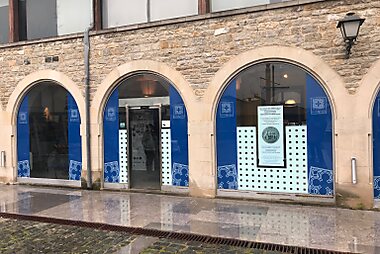
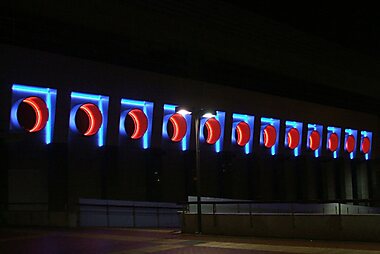
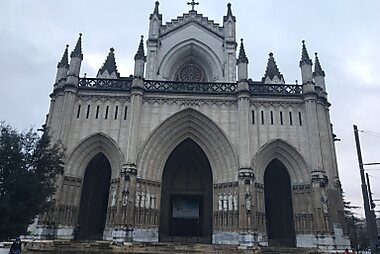
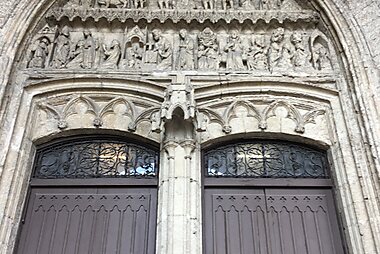
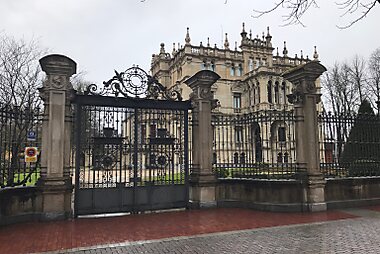
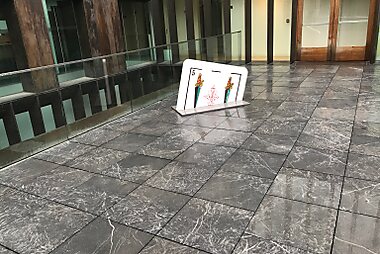
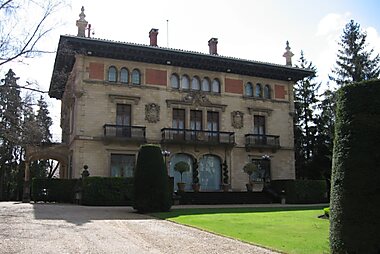
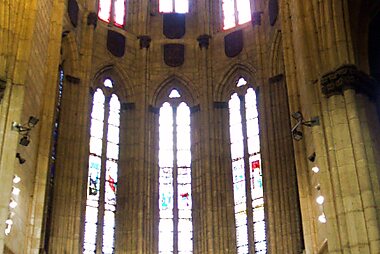
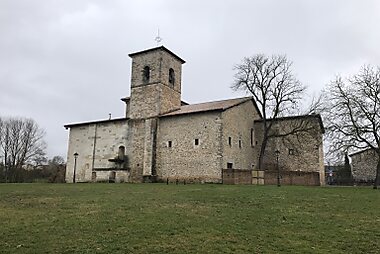
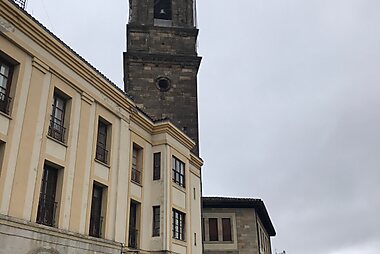
- Catedral de Santa María is the medieval cathedral. You can visit it with a guide while restoration work continues.
- Catedral de María Inmaculada is the New Cathedral, a large neo-Gothic church.
- Iglesia de San Miguel is a Gothic church at the top of the old town, with a balcony that is part of local festivals.
- Artium is the Basque contemporary art museum.
- Museo de Bellas Artes is the fine arts museum, in a Renaissance palace.
- Museo Fournier de Naipes is a playing card museum in a Renaissance palace.
- Palacio de Ajuria Enea is the official residence of the Basque president.
- Iglesia de San Pedro is a Gothic church with a fine portico.
- Basílica de Armentia is a Romanesque basilica outside the center.
- Iglesia de San Vicente is a Gothic church by the old walls.
Listes recommandées

Vitoria-Gasteiz Must-Sees
Vitoria-Gasteiz's medieval core, the "Almendra Medieval," features Gothic landmarks like the Cathedral of Santa María and the Church of San Miguel. The city balances its historical heritage with cultural venues such as the Artium Museum of Contemporary Art and the unique Bibat Museum, which houses a world-renowned collection of playing cards. Architectural highlights include the Renaissance-style Villa Suso Palace and Ajuria Enea, the official residence of the Basque President, all integrated into a city recognized for its extensive green spaces and 11th-century defensive walls.
14 lieux

Vitoria-Gasteiz Religious Heritage
Vitoria-Gasteiz features a diverse collection of religious architecture spanning the Romanesque, Gothic, and Neoclassical periods. The city is home to two cathedrals: the 13th-century Santa María, which served as inspiration for historical literature, and the 20th-century María Inmaculada. Beyond the medieval core, the Romanesque Sanctuary of Estíbaliz and the Basilica of Armentia represent significant pilgrimage sites, while various convents and parish churches reflect the city's historical role as a regional spiritual center.
14 lieux
Expériences à vivre
- Cycle or walk along the Green Belt (Anillo Verde), a ring of parks and wetlands around the city.
- Go on a pintxo crawl in the old town, around Calle Cuchillería and Plaza de la Virgen Blanca.
- Visit Rioja Alavesa wineries, a short drive south.
Visites et activités
Vitoria-Gasteiz — Carte

Excursions à la journée
- Bilbao (about 65 km, 1 hour): a Basque city known for the Guggenheim Museum.
- San Sebastián (about 115 km, 1.5 hours): a beach city with fine food.
- Logroño (about 95 km, 1 hour): the capital of La Rioja wine country.
- Burgos (about 115 km, 1.5 hours): a Gothic cathedral city.
- Salinas de Añana (about 35 km): an ancient salt valley with terraces.
Où s'aventurer
Other places nearby:
- Basque Country: Bilbao and San Sebastián.
- Wine and old cities: Logroño and Burgos.
S'y rendre
- By air: Vitoria airport (VIT) has few passenger flights. Bilbao airport is about 65 km away and has many more.
- By train: Trains run to Madrid, Burgos and Bilbao. Book on Renfe.
- By bus: Coaches serve Bilbao, San Sebastián, Madrid and many towns in the region.
Se déplacer
- On foot: The old town and the center are compact and mostly flat, and a lot of streets are pedestrian only.
- Cycling: The city has many bike lanes and a green belt of parks and paths around it.
- Public transport: A tram and buses link the center with the outskirts.
Conduite
- Is a car worth it?: Not for the city. A car helps for wineries and mountain villages.
- Parking: Use an underground car park near the center, since the old town is mostly car-free.
- Restrictions: Much of the center is pedestrian only.
Gastronomie
Vitoria has a strong food culture. Pintxos (small plates on bread) are served in the bars of the old town, and local dishes include potatoes with chorizo and Idiazabal sheep's cheese.
The Basque white wine txakoli and the red wines of Rioja Alavesa go well with the food.
Sécurité et santé
Vitoria-Gasteiz is a very safe city. Rain is frequent, so bring a waterproof jacket and comfortable shoes for wet cobbles.
Histoire
Vitoria was founded as a fortified town in the 12th century by the king of Navarre, and later became part of Castile. Its old town keeps the almond shape of its medieval walls.
It became the capital of the Basque Country in 1980. The city was named the European Green Capital in 2012.
Infos pays
Quick practical facts for Spain at a glance:
- Devise
- euro EUR € · Paiements par carte · Largement acceptées
- Numéros d'urgence
- 112
- Électricité
- 230 V · 50 HzType C / Type F
- Langues
- espagnol
- Eau du robinet
- Potable
- Sens de conduite
- À droite
- Indicatif téléphonique
- +34


Vitoria-Gasteiz – Planifie tes journées
Transforme les lieux de ce guide en un véritable itinéraire, avec des itinéraires intelligents, des estimations de temps et tout ce dont tu as besoin pour un voyage parfait.


Destinations associées


Data: © OpenStreetMap contributors, Wikidata, Wikipedia, Tripomatic, Official websites, geoBoundaries (CC BY 4.0). Tours by GetYourGuide. We earn commission from bookings. Travel guide generated with AI.