


Macumoto
Matsumoto is a castle town in the Japan Alps, in Nagano Prefecture. It is compact, calm and easy to walk. The city has one of Japan's few original castles, old merchant streets and good museums. Mountains rise on the western edge of the city.
It is also the main gateway to Kamikōchi, a famous mountain valley that belongs to the city. The city also has many hot spring areas. Matsumoto suits a short stay of one or two nights, or a base for hiking and day trips. The artist Yayoi Kusama was born here.

Macumoto – Utazást tervezel?
Állítsd össze a napi útvonalad a Tripomatic alkalmazásban.


Mikor érdemes utazni
May and October are the most comfortable months. Spring brings cherry blossom at the castle. Autumn brings clear air and colour in the mountains. June is the rainy season. July and August are hot and humid in town, but the mountains stay cooler. Winters are cold and dry. Snow in the city is possible but not common, while the nearby mountains get plenty.
Kamikōchi is open only from mid-April to mid-November. Plan hiking trips inside that period.
The biggest annual event is the Seiji Ozawa Matsumoto Festival. This international classical music festival is held every summer, from mid-August to early September. Book tickets and hotels early.
A legjobb időszak a látogatásra: május, október
Főbb látnivalók
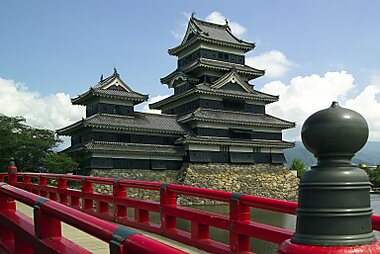

- Matsumoto Castle is the city's symbol. It is a National Treasure with a black keep that is five stories outside and six inside. The stairs are steep. Tickets cost about ¥1,200 online or ¥1,300 at the gate. Hours are 8:30 to 17:00, with last entry at 16:30. In Golden Week and in summer it opens 8:00 to 18:00. It is closed on 29 to 31 December. The park around it is free.
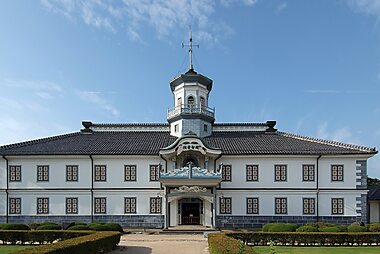
- Kaichi School Museum is a school building from 1876, also a National Treasure. You walk through in slippers. It is closed on the third Tuesday of each month from March to November, and every Tuesday from December to February.
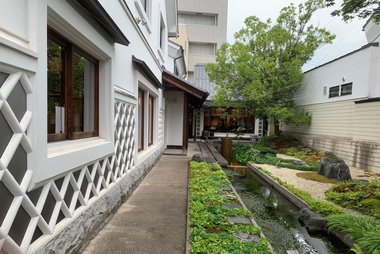
- Nakamachi Street is an old merchant street with black-and-white kura storehouses. Today it has craft shops, cafes and restaurants.
- Nawate-dōri is a short car-free lane by the castle moat. The frog is its symbol. Small shops sell taiyaki, bread and ice cream.
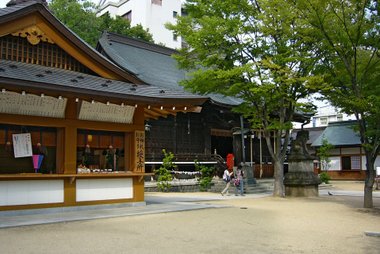
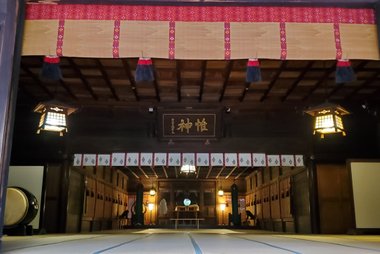
- Yohashira Shrine is a Shinto shrine at the end of the lane, founded in 1879.
- Japan Ukiyo-e Museum shows woodblock prints from one local family's collection, including works by Hokusai and Hiroshige. It opens 10:00 to 17:00 and is closed on Mondays. A bus from the station takes about 25 minutes.
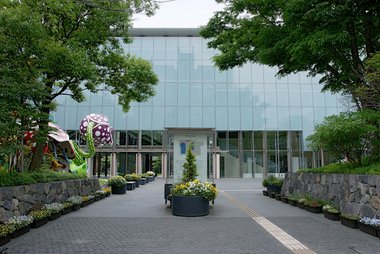
- Matsumoto City Museum of Art has large Kusama sculptures outside that you can see without a ticket.
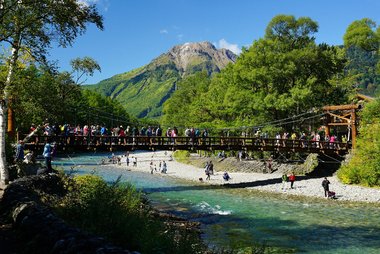
- Kappa Bridge is a wooden suspension bridge over the Azusa River in Kamikōchi, with views of the Hotaka mountains. It is the best-known spot in the valley.
Kiemelt listák

Matsumoto's Crown Jewels
Matsumoto features one of Japan's premier historic castles, a 16th-century structure known for its unique black exterior. The city’s cultural heritage includes the Meiji-era Kaichi School Museum and the world’s largest private collection of woodblock prints at the Japan Ukiyo-e Museum. Spiritual landmarks like the Yohashira and Fukashi Shrines offer insight into local Shinto traditions, while the nearby Asama Onsen provides historic hot spring baths. The list also includes the high-altitude Kamikochi valley, a gateway to the Hida Mountains.
7 hely
Peaks, Alpine Huts & Natural Wonders
This collection highlights the rugged terrain of the Northern Japan Alps within Chubu Sangaku National Park. It features iconic peaks like the spear-shaped Mt. Yarigatake and Mt. Okuhotaka, Japan's third-highest mountain. The list includes essential alpine huts like Tokusawaen and Kamonjigoya, which serve as strategic base camps for multi-day treks. Natural landmarks such as the triple Sanbondaki waterfalls and the volcanic slopes of Mt. Norikura provide diverse landscapes ranging from dense forests to high-altitude rocky ridges.
20 hely

Élmények
- Watch cherry blossom at the castle at night in April, when the keep and trees are lit.
- Hear taiko drums at the castle during the National Treasure Taiko Festival in July.
- Join the Matsumoto Bon-Bon dance festival in the evening in August.
- Buy vegetables and flowers at the Saturday morning market on Nakamachi Street. It runs from April to December and starts at 9:30. Stalls often sell out in about 10 minutes.
- Walk in the mountains of Kamikōchi. It is 5 to 10 degrees cooler than the lowlands.
- Soak in a snow-view outdoor bath at Shirahone Onsen in winter. Take the train to Shin-Shimashima and change to a bus.
- See castle projection mapping and ice sculptures in winter.
Túrák és tevékenységek
Macumoto — Térkép

 Interaktív térkép megnyitása
Egynapos kirándulások
Matsumoto is a good base for short trips by train.
- Azumino: about 30 minutes by JR Oito Line to Hotaka Station, then a 10-minute taxi to Daio Wasabi Farm. Walk between clear streams and wasabi fields. Entry is free.
- Narai-juku: about 50 minutes by JR train. It is a preserved Nakasendo post town in the Kiso Valley.
- Nagano: about 50 minutes by JR Shinano limited express, one train per hour. Go for Zenkoji temple.
- Takayama: about 2.5 hours by direct bus, with a reservation. This is long for one day, so it works better as an overnight stop.
Mit érdemes felfedezni
Odajutás
- By air: Matsumoto Airport (Shinshu Matsumoto) has domestic flights from Sapporo, Fukuoka and Kobe. A shuttle bus or taxi to the city takes about 30 minutes. Most international visitors fly to Tokyo or Nagoya and continue by train or bus.
- By train from Tokyo: the JR Azusa limited express runs from Shinjuku in about 2.5 hours. All seats are reserved. From Haneda or Narita, go to Shinjuku first.
- By train from Nagoya: the JR Shinano limited express takes about 2 hours. From Osaka or Kyoto, take the Tokaido Shinkansen to Nagoya and change.
- From Nagano: the Shinano limited express takes about 50 minutes, one train per hour.
- By bus: highway buses reach the bus terminal in front of Matsumoto Station from Shinjuku (about 3 hours 20 minutes), Narita Airport, Nagoya, Osaka and Takayama. The Shinjuku bus is cheaper than the train.
The Japan Rail Pass covers the Azusa and the Shinano. Check routes at Visit Matsumoto access page.
Közlekedés
- On foot: the castle is about 15 minutes from the station. Nakamachi and Nawate are also about 15 minutes away. The centre is flat.
- City bus: the Town Sneaker loop buses leave from the stop in front of the station and serve the castle and the art museum. Pay with cash or a Visa or JCB contactless card. Bring ¥1,000 notes or coins, because drivers cannot change large notes.
- Local train: the Matsumoto Dentetsu Kamikochi Line goes to Shin-Shimashima, where buses leave for Kamikōchi.
- Bicycle: HELLO CYCLING share bikes are power-assisted. Rent them in an app with a credit card.
Vezetés
- Is a car worth it? Not for the city centre. A car helps for Azumino, mountain roads and hot springs, but trains and buses cover the main sights. Traffic drives on the left.
- Licence: Japan accepts only an International Driving Permit from the 1949 Geneva Convention. A 1968 Vienna permit is not valid. Licences from Switzerland, Germany, France, Belgium, Monaco and Taiwan need an official Japanese translation from JAF instead. A foreign licence is valid for one year from your date of entry.
- Tolls: expressways charge tolls. Many rental cars have an ETC card.
- Kamikōchi: private cars and rental cars cannot enter. Park at Sawando, about one hour from town, then take the shuttle bus or a taxi. Parking is typically ¥600 per day.
- Winter: in Nagano Prefecture you must use chains or studless tires on snowy or icy roads. Ask your rental company for winter tires. Watch for black ice on bridges and near tunnel exits. It is closed to regular transport from mid-November to mid-April, and the roads to Utsukushigahara close from late November to late April.
Ételek és italok
Shinshu soba is the local favourite. New soba is celebrated in autumn. A winter dish called toji soba comes from the Nagawa area of the city. Castle-town sweets, apple sweets and local wine are also popular.
For eating, walk the cafes and restaurants in the old kura buildings of Nakamachi Street. For snacks, try the small shops on Nawate-dōri. Fresh wasabi is a speciality of nearby Azumino.
Biztonság és egészség
Matsumoto is a calm city for visitors. Most risks are about the mountains.
- Asiatic black bears live in the mountains and are active from March to November. Carry a bell on trails, do not hike alone, and never leave food unattended. If you meet a bear, back away slowly. Do not run.
- Weather changes fast in the high mountains. Bring a warm layer even in summer.
- Winter roads and paths can be icy. See the driving section for tire rules.
Történelem
Matsumoto grew around its castle, which was built in the Sengoku period more than 400 years ago. The black keep survives today as a National Treasure. A moon-viewing turret was added later, in a time of peace.
Nakamachi Street was a merchant street on the road to Zenkoji temple in the Edo period. The kura storehouses along it were built to protect goods from the great fires of the late Edo and Meiji periods. Kaichi School Museum dates from 1876. A local master carpenter designed it. Yohashira Shrine was founded in 1879, and Nawate-dōri grew up as its approach.
Országinformációk
Here are the essentials for traveling in Japan:
- Pénznem
- japán jen JPY ¥ · Bankkártyás fizetés · Gyakran elfogadott
- Elektromos hálózat
- 100 VA típus / B típus
- Nyelvek
- japán
- Csapvíz
- Biztonságosan iható
- Közlekedés iránya
- Bal oldali
- Nemzetközi előhívó
- +81


Macumoto – Tervezd meg a napjaidat
Alakítsd át az útikönyvben szereplő helyeket valódi útitervvé okos útvonaltervezéssel, időbecslésekkel és mindennel, ami a tökéletes utazáshoz kell.


Kapcsolódó úti célok
Data: © OpenStreetMap contributors, Wikidata, Wikipedia, Tripomatic, Official websites, geoBoundaries (CC BY 4.0). Tours by GetYourGuide. We earn commission from bookings. Travel guide generated with AI.
Tervezd meg utazásodat a Tripomatic segítségével
- Mesterséges intelligenciával támogatott tervezésKészíts egy kész napot egyetlen koppintással, bízd a kívánságlistád elosztását az utazásodban az AI-ra, vagy tervezz meg mindent csevegve.
- Utazási figyelmeztetésekHivatalos figyelmeztetések, zord időjárás, sztrájkok és természeti veszélyek az utazásod egyes napjain szereplő helyekre vonatkozóan.
- Munkaszüneti napok és eseményekNézd meg az utazásod napjaira eső ünnepeket, fesztiválokat és zárvatartásokat, és hogy mit jelentenek a terveid szempontjából.
- KöltségbecslésAI-alapú költségbontás, hogy már indulás előtt pontosan tudd, mekkora költségvetéssel számolj.
- Túrák és jegyekFoglalj vezetett túrákat, soron kívüli jegyeket és élményeket közvetlenül az útitervedben.