



Japán
Japan is an island nation in East Asia known for mixing centuries-old tradition with some of the most advanced cities in the world. Ancient temples and shrines sit close to neon-lit shopping streets, and both are treated with equal care. The population is highly homogeneous and the culture places a strong value on order, cleanliness, and politeness, which visitors notice from the moment they arrive.
Most first-time visitors build a trip around Tokyo, the capital, adding on Kyoto, Osaka, and Nara for temples, castles, and historic streets, often connected by the famous Shinkansen bullet trains. Hokkaido in the north suits travelers drawn to mountains, skiing, and cooler summers, while Okinawa's subtropical islands in the far south offer beaches and a distinct local culture. Japan works well for a first city-focused trip and rewards return visits that go deeper into a single region.


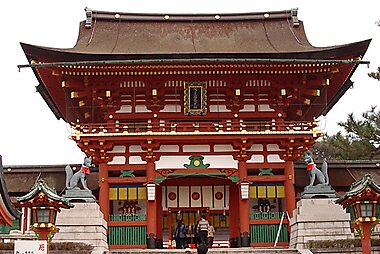
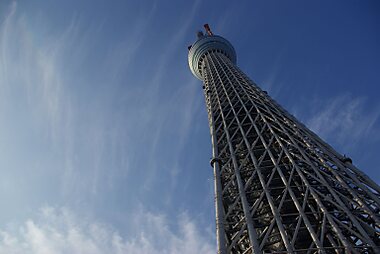
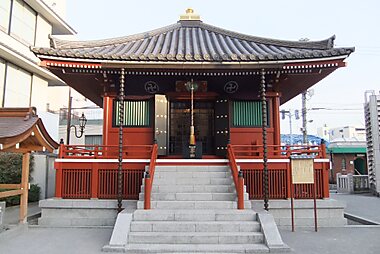
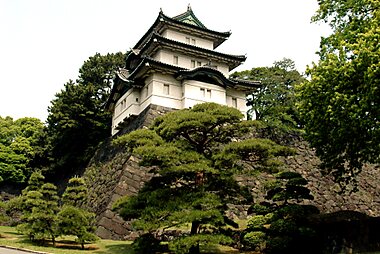
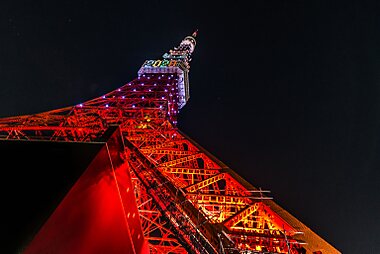
Japán – Utazást tervezel?
Állítsd össze a napi útvonalad a Tripomatic alkalmazásban.


Pénz és fizetés
Japan is more cash-reliant than its high-tech reputation suggests: many small restaurants, older shops, and rural areas still expect cash, and some places have a minimum card amount. Convenience stores and train stations have reliable ATMs that accept foreign cards. IC cards like Suica or Pasmo double as prepaid cards for transit, vending machines, and many shops.
Kiemelt listák


Scenic Viewpoints and Observation Points
This collection spans Japan's diverse geography, from the sacred forests of Mt. Misen in Miyajima to the Kengo Kuma-designed Asakusa Culture and Tourism Center. It features coastal lookouts on Ishigaki Island, rugged ridges in the Tanzawa Mountains, and unique geological formations like the Jigoku Nozoki cliff in Chiba. Highlights include Nagano's SORA terrace for high-altitude cloud views and the historic Manzeki Bridge connecting the islands of Tsushima.
20 helyTúrák és tevékenységek
Japán — Térkép

 Interaktív térkép megnyitása
 Borravaló
Tipping is not practiced in Japan and can cause confusion if offered - good service is simply expected, and prices already reflect it. Leaving money on a table or handing cash directly to staff is generally not accepted; at most restaurants and taxis, this is simply not done. A few upscale ryokan (traditional inns) may accept a gift in an envelope for exceptional service, but this is the exception.
none — prices already reflect service
none
none
none, except a gift envelope at some ryokan for exceptional service
none
Elektromos hálózat
Japan uses Type A and Type B plugs at 100 V - a lower voltage than most of the world, and some high-power appliances (like hairdryers) from other countries may run weaker or need a voltage converter, not just a plug adapter. Unusually, the frequency differs by region: eastern Japan, including Tokyo, runs at 50 Hz, while western Japan, including Osaka and Kyoto, runs at 60 Hz - rarely an issue for modern electronics, but worth knowing for older or sensitive equipment.
Nyelv
Japanese is the official language, and while English signage is common in major stations and tourist areas, spoken English is limited outside big cities. Japanese uses three scripts together - kanji, hiragana, and katakana - with no Latin alternative, so reading menus or signs independently is genuinely difficult; translation apps are widely used by visitors for this reason.
Kapcsolattartás és internet
Prepaid tourist SIM cards and eSIMs are sold at airports and electronics stores, and pocket Wi-Fi routers can be rented on arrival or reserved online in advance - a popular option for groups sharing one connection. As of 2026, buying a SIM or eSIM, including tourist and data-only plans, requires showing a passport for registration.
Biztonság és segélyhívás
Japan is one of the safest countries for travelers, with very low rates of violent crime and theft. The main practical risk is natural disasters - the country is earthquake-prone, and typhoons affect the south and coastal areas mainly between June and October. Follow local alerts and hotel guidance if either occurs during a visit. Police and ambulance/fire use different numbers.
Egészségügy
Tap water is safe to drink throughout the country. Pharmacies are widespread, though staff may have limited English and many common Western medications (including some cold and allergy remedies) are restricted, so travelers who rely on specific prescriptions should bring enough for the trip along with a copy of the prescription.
Vízum és beutazás
Many nationalities, including the EU, the UK, the US, Canada, and Australia, can enter visa-free for stays of up to 90 days for tourism. Travelers from other countries typically need to apply for a visa in advance through a Japanese embassy or consulate.
Visa and entry requirements change frequently. Verify current requirements with the official immigration authority or your country's embassy before travel.
Etikett és szokások
- Remove shoes when entering homes, temples, ryokan, and some restaurants with tatami flooring; indoor slippers are usually provided.
- Bowing is the standard greeting; a slight nod is fine for visitors, and handshakes are also accepted in business settings.
- Eating or drinking while walking on the street is uncommon and can draw attention; most people eat standing at a stall or find a seat.
- Keep phone calls off public transport and set phones to silent mode; trains are generally quiet.
- If visiting an onsen (hot spring bath), know that many still refuse entry to visitors with tattoos - check policies in advance if this applies.
- Business cards, gifts, and money are exchanged and received with both hands as a sign of respect.
Ünnepnapok és nyitvatartás
Golden Week (late April to early May) and Obon (mid-August) are the two busiest domestic travel periods, when trains, flights, and hotels fill up and prices rise nationwide - avoid traveling long distances during these weeks if possible.
Most shops and restaurants open daily, including Sundays, though some smaller family-run restaurants close one weekday. Convenience stores are open 24 hours in most cities, though a growing number, especially in rural areas, now close overnight due to staff shortages.
Közlekedés
- By train: An extensive, highly punctual rail network connects the whole country, led by the Shinkansen bullet trains between major cities, run by several regional JR companies rather than one national operator. Japan Rail Pass options can offer savings for multi-city itineraries; buy IC cards like Suica for local trains, subways, and buses.
- By air: Domestic flights are worth considering for reaching Hokkaido or Okinawa from Tokyo, since both are a long way from the rest of the country by train.
- By bus: Overnight and inter-city coaches are a cheaper, slower alternative to the Shinkansen on longer routes.
- Driving is on the left - most travelers skip renting a car entirely given how reliable the trains are, though a car can be useful in rural areas like Shimane with limited rail service.
Vezetés
- Key rules: Driving is on the left. Japan has strict zero-tolerance laws for driving after any alcohol, and using a handheld phone while driving is fined.
- Tolls: Most expressways charge tolls; an ETC card fitted in the rental car allows automatic payment at gates without stopping, and is worth requesting when renting.
- Congestion: Central Tokyo and Osaka have heavy traffic at rush hour; there is no congestion charge, but parking is scarce and expensive in city centers.
- Parking: Paid parking is standard in cities, usually at coin-operated lots; street parking is rare and often restricted.
- Fuel: Stations offer both self-service and full-service; petrol is sold as regular ("レギュラー") and high-octane ("ハイオク"), and diesel as "軽油".
- Electric vehicles: Charging points are common in cities and along expressways but less common in rural areas; most chargers accept major charging network cards or apps.
Ételek és italok
Meals in Japan follow a rhythm of small, balanced dishes rather than one large plate - rice, miso soup, and pickles accompany most meals, including breakfast in many traditional settings. Sushi and sashimi are internationally famous, but everyday eating out is more likely to mean ramen, a bowl of rice with toppings (donburi), or grilled skewers (yakitori) at an izakaya, a casual pub-style restaurant.
Convenience stores sell surprisingly good, freshly made food, from rice balls (onigiri) to sandwiches, and are a normal lunch option for locals, not just a last resort. Tempura, udon and soba noodles, and okonomiyaki (a savory pancake) are all worth trying regionally. Green tea is the everyday drink, while sake (rice wine) and Japanese whisky are the notable alcoholic options; beer is also widely drunk, especially at izakaya.
Mit érdemes felfedezni
Tokyo, the capital, is most travelers' starting point, mixing historic temples with futuristic districts. Kyoto and Nara, a short Shinkansen ride away, hold the country's greatest concentration of temples, shrines, and traditional streets, and Osaka nearby is known for street food and a livelier, informal atmosphere. Hiroshima, further west, draws visitors for its Peace Memorial Park and nearby Miyajima island.
Hokkaido, in the north, offers mountains, skiing, and cooler summers, a different pace from the rest of the country. Okinawa, far to the south, is a subtropical island chain with beaches and a culture distinct from the mainland. The southern main island of Kyushu has hot springs and Fukuoka's food scene, while Shikoku is known for its 88-temple pilgrimage route. Chiba and Ibaraki, near Tokyo, and Shimane, on the western coast, reward travelers who venture beyond the main circuit.
Japán – Tervezd meg az utazásod
Válaszd ki a meglátogatni kívánt helyeket, és a Tripomatic napokra lebontott útvonalat készít belőlük okos útvonaltervezéssel, időbecslésekkel és mindennel, ami a tökéletes utazáshoz kell.




