


Coimbra
Coimbra is a university city on the Mondego River in central Portugal. Its old town climbs a steep hill, with the historic university at the top. Students have shaped the city for centuries. Their black capes, songs and traditions are part of daily life.
The city suits a one- or two-night stop between Porto and Lisbon. It is best for travelers who like history, libraries, churches and slow walks. The old town is compact, but the hills are steep.

Coimbra – planujesz wycieczkę?
Stwórz swój plan podróży dzień po dniu w aplikacji Tripomatic.


Kiedy jechać
April, May and October are the best times. Days are warm and the city is green. Summer is very hot, so plan sightseeing for the morning and evening. Winter is mild but wet.
The biggest event is Queima das Fitas, the student festival in May. It has concerts, parades and the Serenata Monumental on the steps of the old cathedral. Hotels fill early, so book ahead.
Najlepszy czas na wizytę: kwiecień, maj, październik
Główne zabytki
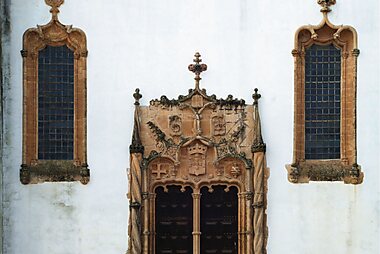
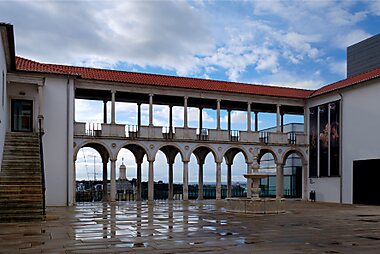
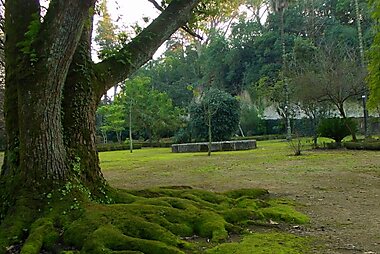
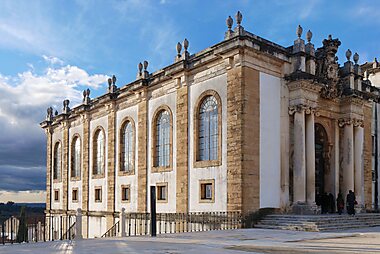
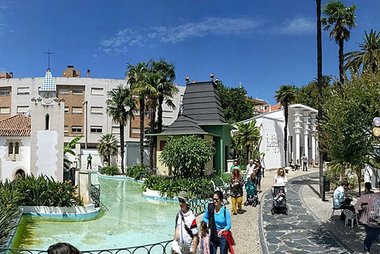
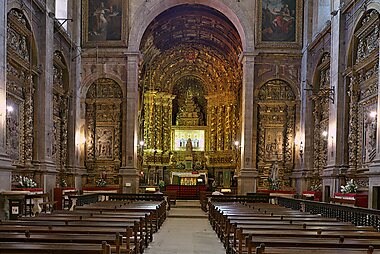
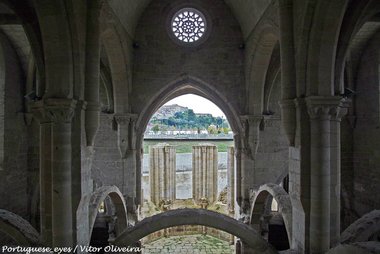
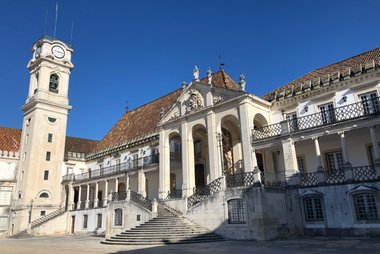
- Universidade de Coimbra is the reason most people come. It sits on the hilltop in the former royal palace and is a UNESCO World Heritage site.
- Biblioteca Joanina is a Baroque library from the 18th century, inside the university. Entry is by timed ticket, so book ahead.
- Torre da Universidade rises above the university courtyard. It is the city's best-known landmark and gives wide views over the roofs.
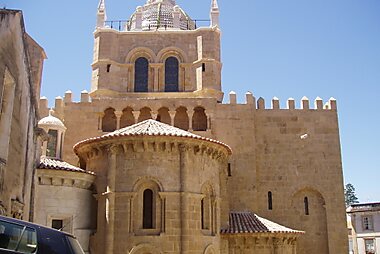
- Igreja da Sé Velha is a solid Romanesque cathedral from the 12th century. It is one of the best-preserved churches of its age in Portugal.
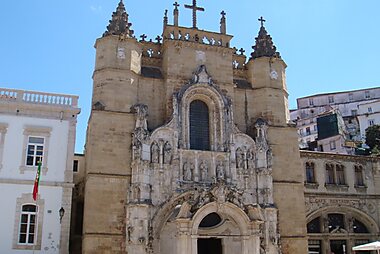
- Igreja de Santa Cruz holds the tombs of the first two kings of Portugal. Its church and cloister are in the lower town.
- Museu Machado de Castro is the main art museum, set in the old bishop's palace. Below it are Roman underground galleries.
- Jardim Botânico da Universidade de Coimbra is a quiet 18th-century garden below the university. It is a good place to rest after the climb.
- Mosteiro de Santa Clara-a-Velha are the ruins of a Gothic monastery. The river flooded them for centuries, and they were excavated in the 1990s.
- Convento de Santa Clara a Nova is the 17th-century convent on the hill across the river. It holds the tomb of Queen Saint Isabel and has a fine view of the city.
- Portugal dos Pequenitos is a park of small-scale Portuguese houses and monuments. It is a good stop for families.
Polecane zestawienia


Coimbra's Sacred Sites
Coimbra’s religious heritage spans centuries, from the 12th-century Romanesque foundations of the Monastery of Santa Cruz to the Baroque grandeur of Santa Clara-a-Nova. This collection highlights the city's evolution through its ecclesiastical architecture, including the Manueline details of the University’s Capela de São Miguel and the Renaissance influence seen at Igreja da Graça. Visitors can explore sites housing royal pantheons, intricate azulejo tilework, and historic organs, reflecting the deep integration of faith and academia in this historic riverside city.
10 miejscCzego warto doświadczyć
- Fado de Coimbra: This style of fado is different from Lisbon fado. It grew from student songs. Look for evening concerts in the old town, where singers often wear the black student cape.
- Queima das Fitas: Join the student parades and concerts in May. It is the biggest party of the year.
- Sunset at the viewpoint: Watch the light change over the river from Penedo da Saudade, a hillside garden with poems carved in stone.
- Student traditions in autumn: New students arrive in the first weeks of the academic year. You may see the capes, songs and parades in the streets.
Wycieczki i aktywności
Coimbra — Mapa

 Otwórz interaktywną mapę
Wycieczki jednodniowe
Coimbra is a good base for short trips. These are listed from closest to farthest.
- Conímbriga (about 20 minutes by car): one of the best-preserved Roman sites in Portugal, with mosaics and a small museum.
- Figueira da Foz (about 40 minutes by train): a wide sandy beach town on the Atlantic coast.
- Buçaco Forest and Luso (about 40 minutes by car): a walled forest with a palace hotel, trails and a spa village.
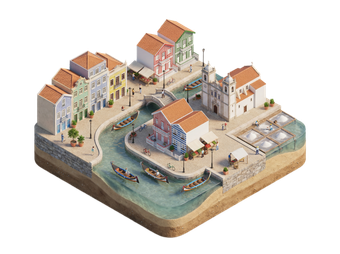
- Aveiro (about 55 minutes by train): canals, colorful boats and Art Nouveau houses.
- Tomar (about 1 hour by car): a Templar castle and convent, also a UNESCO site.
Gdzie warto się udać
Jak dotrzeć
- By air: Coimbra has no commercial airport. Most travelers fly into Porto (OPO), about 120 km north, or Lisbon (LIS), about 200 km south. Continue by train.
- By train: Fast trains from Porto and Lisbon stop at Coimbra-B, the main station. A short shuttle train links it to the Coimbra station in the city center. Book on CP Comboios de Portugal.
- By bus: Long-distance coaches run from Porto, Lisbon and many Portuguese towns to the central coach station.
Poruszanie się na miejscu
- Public transit: City buses are run by SMTUC. Buy tickets at SMTUC shops, at sales points near the stations, or in the SMTUC app. See fares on SMTUC.
- Elevator: The Elevador do Mercado links the lower town with the hill. It saves a steep climb.
- On foot: The lower town is flat, but the old town on the hill is very steep. Wear good shoes. Taxis help for the climb to the university.
Prowadzenie samochodu
- Is a car worth it? Not for the city. The old town is steep, narrow and hard to park in. A car helps for Conímbriga and Buçaco.
- Parking: Park outside the center and walk or take a bus. SMTUC runs car parks near Coimbra-B station and at Parque Verde do Mondego.
- Tolls: Many motorways such as the A1 charge tolls. Ask your rental company about the transponder.
Jedzenie i napoje
Look for chanfana, goat stewed in red wine, and leitão da Bairrada, roast suckling pig from the nearby Bairrada region. For a sweet snack, try pastéis de Santa Clara, small pastries made with egg and almond.
For a meal, walk the streets around Praça do Comércio and Rua Quebra Costas in the lower town. Small restaurants and student cafés are close together there.
Bezpieczeństwo i zdrowie
Coimbra is a safe city. Pickpockets can work in crowded places, so keep your bag closed. The main risk is the terrain. Old stone streets and steps are steep and slippery when wet. Tap water is safe to drink.
Historia
The Romans called the town Aeminium. In the 12th century it became the capital of the new Kingdom of Portugal. The capital moved to Lisbon in 1255. The first two kings are buried at Igreja de Santa Cruz. The cathedral Igreja da Sé Velha dates from the same time.
The university moved here for good in 1537. It took over the royal palace on the hill, and the city has centered on it since. The Roman remains below Museu Machado de Castro show how old the site is.
The best-known legend is the love of Prince Pedro and Inês de Castro. Inês was killed in 1355 near the Quinta das Lágrimas gardens. Pedro later became king and had her honored as queen.
Informacje o kraju
Quick practical facts for Portugal at a glance:
- Waluta
- euro EUR € · Płatności kartą · Powszechnie akceptowane
- Numery alarmowe
- 112
- Elektryczność
- 230 V · 50 HzTyp C / Typ F
- Języki
- portugalski
- Woda z kranu
- Zdatna do picia
- Ruch drogowy
- Prawostronny
- Numer kierunkowy
- +351


Coimbra – zaplanuj swoje dni
Zmień miejsca z tego przewodnika w prawdziwy plan podróży z inteligentnym wyznaczaniem tras, szacowanym czasem i wszystkim, czego potrzebujesz na udaną wycieczkę.


Powiązane cele podróży


Data: © OpenStreetMap contributors, Wikidata, Wikipedia, Tripomatic, Official websites. Tours by GetYourGuide. We earn commission from bookings. Travel guide generated with AI.
Zaplanuj wycieczkę z Tripomatic
- Planowanie z asystentem AIZyskaj gotowy plan dnia jednym stuknięciem, pozwól AI rozmieścić miejsca z listy życzeń w Twojej wycieczce lub zaplanuj wszystko na czacie.
- Ostrzeżenia podróżneOficjalne komunikaty, trudne warunki pogodowe, strajki i zagrożenia naturalne dla miejsc w każdym dniu wycieczki.
- Dni wolne od pracy i wydarzeniaSprawdzaj święta, festiwale i dni zamknięcia w trakcie wycieczki oraz ich wpływ na Twoje plany.
- Szacowanie kosztówZestawienia kosztów wycieczki oparte na sztucznej inteligencji, dzięki którym poznasz budżet przed wyjazdem.
- Wycieczki i biletyRezerwuj wycieczki z przewodnikiem, bilety wstępu bez kolejki i aktywności bezpośrednio w swoim planie.