


Emirados Árabes Unidos
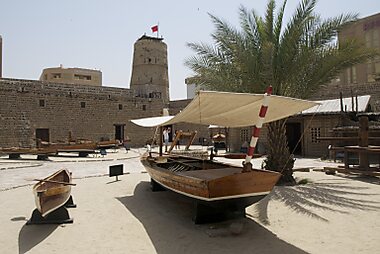
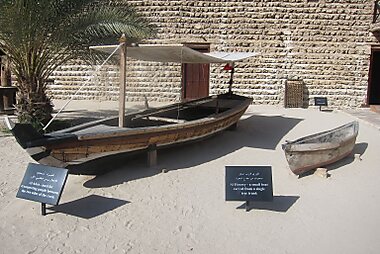
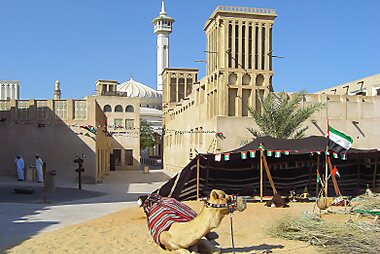
The United Arab Emirates is a federation of seven emirates on the Arabian Peninsula, formed in 1971 under Sheikh Zayed bin Sultan Al Nahyan. It pairs futuristic skylines with desert dunes, mountains, and a long Gulf coastline. Most visitors focus on Dubai and Abu Dhabi, but each emirate has its own character.
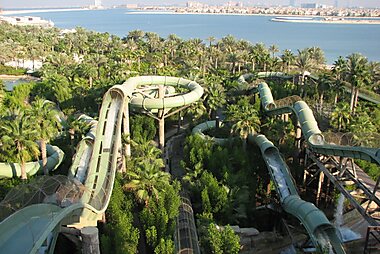
Dubai draws travelers with record-breaking towers, shopping, and beach resorts. Abu Dhabi, the capital, offers museums, grand mosques, and a calmer pace. The northern emirates - Sharjah, Ajman, Umm Al Quwain, Ras Al Khaimah, and Fujairah - suit travelers who want mountains, quieter beaches, or a more traditional feel. The country works well for both short city breaks and longer trips that combine city sights with desert or coastal excursions.




Emirados Árabes Unidos – A planear uma viagem?
Cria o teu itinerário dia a dia na app Tripomatic.


Dinheiro e pagamentos
Cards are accepted almost everywhere, from hotels to taxis to small cafes. Carry some cash for older souks, small transport fares, or tips. ATMs are common in malls, airports, and along main streets.
Budget travelers should expect prices closer to those in major European cities, especially in Dubai and Abu Dhabi. Costs drop noticeably in the northern emirates.
Listas em destaque


Iconic Dining & Food Halls
Explore Dubai and Abu Dhabi's premier dining and leisure spots, including the iconic Palm Jumeirah with its luxury residences and beaches, Mall of the Emirates known for its extensive shopping and indoor ski resort, and renowned restaurants offering diverse cuisines from Asian to British and fresh seafood with outdoor seating.
6 lugares
Iconic Mosques & Worship
This list showcases thirteen significant mosques in the United Arab Emirates, highlighting architectural grandeur and cultural importance. Featured sites include the Sheikh Zayed Grand Mosque in Abu Dhabi, known for its expansive design, and other Sunni mosques with distinctive minarets, historical value, and regional prominence across emirates such as Dubai and Fujairah.
13 lugares


Excursões e atividades
Emirados Árabes Unidos — Mapa

 Abrir o mapa interativo
Gorjetas
Tipping is not mandatory but is customary and appreciated. Many restaurants add a service charge to the bill; where they don't, 10-15% for good service is standard. Round up taxi fares to the nearest few dirhams. A small tip for hotel porters and housekeeping staff is common.
10-15% se a taxa de serviço já não estiver incluída
arredondar para cima
arredondar para cima
5-10 AED por mala ou por dia para o serviço de limpeza
Eletricidade
The UAE uses the UK-style three-pin Type G socket as standard, with two-pin Type C sockets also found in some places, at 220 V / 50 Hz - travelers from the US or continental Europe will need an adapter.
Idioma
Arabic is the official language, but English is used everywhere in business, hospitality, and on road signs, so travelers rarely face a language barrier. Staff in hotels, restaurants, and shops in Dubai and Abu Dhabi generally speak fluent English.
Como manter a ligação à rede
Prepaid tourist SIM cards and eSIMs are sold at the airport and in shops; buying one requires showing a passport for registration. Voice and video calls through apps like WhatsApp, FaceTime, and Skype are blocked on local networks. A licensed local calling app is the usual workaround for internet calls.
Segurança e emergências
The UAE has a very low crime rate and is one of the safer destinations for travelers. Petty theft is rare, even in crowded tourist spots. Laws are strict and strictly enforced: there is zero tolerance for drugs, including some medications that are legal elsewhere, and alcohol is only served in licensed hotels, bars, and restaurants.
Saúde
Tap water is treated and safe to drink, though most residents and hotels still serve bottled water by habit. Pharmacies are widespread, and many in Dubai and Abu Dhabi are open 24 hours. The biggest health risk for visitors is heat: summer temperatures from June to September regularly pass 40°C, so stay hydrated and limit outdoor activity around midday.
Vistos e entrada
Many nationalities, including most of the EU, the UK, the US, Canada, and Australia, can enter visa-free or receive a visa on arrival, typically for a stay of 30 to 90 days depending on nationality. Travelers from other countries can usually apply for an e-visa in advance through an airline or an online service.
Visa and entry requirements change frequently. Verify current requirements with the official immigration authority or your country's embassy before travel.
Etiqueta
- Dress modestly in public places - shoulders and knees covered is a safe default; swimwear is for pools and beaches only.
- Cover up more fully when visiting mosques; women should bring a scarf for their hair.
- Public displays of affection beyond hand-holding are frowned upon and can draw attention from authorities.
- During Ramadan, avoid eating, drinking, or smoking in public during daylight hours, even if you are not fasting.
- Ask before photographing people, especially women.
- Bargaining is expected in souks and markets, but not in malls or supermarkets.
Feriados e horários de funcionamento
Public holidays follow the Islamic lunar calendar, so exact dates are only confirmed shortly beforehand, and they can shift shop hours and public transport schedules.
Friday afternoon is a traditional prayer time, when some shops and offices close briefly. During Ramadan, working hours shorten across the board and many restaurants stay closed until sunset.
Como se deslocar
- By metro: Dubai's driverless metro covers most major sights and is the easiest way to get around the city. Buy a rechargeable Nol card at any station.
- By train: Etihad Rail's passenger service launched in 2026, currently connecting Abu Dhabi and Fujairah, with more routes due to open later in the year.
- By taxi: Metered taxis are plentiful and reasonably priced in Dubai and Abu Dhabi. Ride-hailing apps such as Careem and Uber also operate across the main cities.
- By bus: Intercity buses connect all seven emirates cheaply. They're a practical way to reach Sharjah, Ras Al Khaimah, or Fujairah without a car.
- For most journeys between emirates, road transport - taxi, bus, or rental car - is still the practical option.
Conduzir
- Key rules: Seatbelts are mandatory for everyone in the car, using a phone while driving is heavily fined, and there is zero tolerance for driving after drinking any alcohol.
- Tolls: Dubai charges tolls automatically at Salik gates; rental cars are usually pre-registered, with charges billed to the renter afterward. Abu Dhabi runs a similar system called Darb.
- Congestion: Traffic in Dubai can be heavy at rush hour; ring roads help bypass the city center.
- Parking: Paid parking is common in city centers, usually managed through an app or SMS to a posted number.
- Fuel: Stations are typically full-service, with an attendant pumping the fuel; pumps are labeled "Special" (95 octane) and "Super" (98 octane), plus diesel.
- Electric vehicles: Dubai and Abu Dhabi have a growing public charging network, though coverage thins out quickly outside the main cities.
Comida e bebida
Local Emirati food centers on rice, meat, and spices rather than the international fine dining Dubai is known for. Dishes worth trying include machboos (spiced rice with meat or fish), harees (a slow-cooked wheat and meat porridge), and luqaimat (fried dough balls drizzled with date syrup), a popular dessert especially during Ramadan.
Because such a large share of the population is made up of expatriates, everyday eating out is dominated by Indian, Pakistani, Filipino, Lebanese, and Iranian food, often at simple, inexpensive restaurants alongside glossy international chains. Arabic coffee, served with dates, is a traditional gesture of hospitality. Alcohol is only available in licensed hotels, restaurants, and bars - it is not sold in supermarkets in most emirates, and Sharjah does not serve it at all.
Onde explorar
Dubai and Abu Dhabi, the capital, are the country's two major cities and cover most travelers' itineraries.
The other five emirates sit within easy reach for a day trip or a slower-paced stay: Sharjah is known for its museums and traditional architecture, Ajman for its quieter beaches, and Umm Al Quwain for a laid-back, less touristy feel. On the east coast, facing the Gulf of Oman, Fujairah has mountains and diving spots, while Ras Al Khaimah combines beaches with the UAE's highest peaks.
Emirados Árabes Unidos – Planeia a tua viagem
Escolhe os lugares que queres ver e o Tripomatic transforma-os numa rota dia a dia, com rotas inteligentes, estimativas de tempo e tudo o que precisas para uma viagem perfeita.


Destinos relacionados


Data: © OpenStreetMap contributors, Wikidata, Wikipedia, Tripomatic, Official websites, geoBoundaries (CC BY 4.0). Tours by GetYourGuide. We earn commission from bookings. Travel guide generated with AI.