


Liparische Inseln
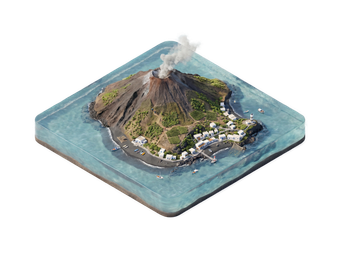
The Aeolian Islands are seven inhabited volcanic islands off the north coast of Sicily: Lipari, Vulcano, Salina, Panarea, Stromboli, Filicudi and Alicudi. Two volcanoes are still active. Stromboli throws out glowing bursts of lava many times an hour, and Vulcano steams with sulphur vents. The islands have been a UNESCO World Heritage Site since 2000 for their volcanic landscapes.
Each island feels different. Lipari is the busy hub with the main port, most hotels and a historic citadel. Salina is green, with vineyards and capers. Panarea is small and fashionable, while Filicudi and Alicudi are quiet and almost car-free. The islands suit travellers who like swimming in clear water, boat trips and volcano hikes. Plan at least four or five nights and base yourself on Lipari or Salina.

Liparische Inseln – Planst du eine Reise?
Erstelle deine Reiseroute Tag für Tag in der Tripomatic-App.


Beste Reisezeit
Late May, June and September are the best months: the sea is warm, the hiking is comfortable and the ferries are less crowded. July and August are hot, busy and expensive, and you should book boats and rooms early. From November to March many hotels and restaurants close, there are fewer hydrofoils, and rough seas often cancel crossings.
The biggest local event is the Feast of San Bartolomeo, the patron saint of the islands, on 24 August in Lipari town. A procession carries the saint's statue through the streets, and the night ends with fireworks over the harbour.
Beste Reisezeit: Mai, Juni, Juli, September, Oktober
Top-Sehenswürdigkeiten
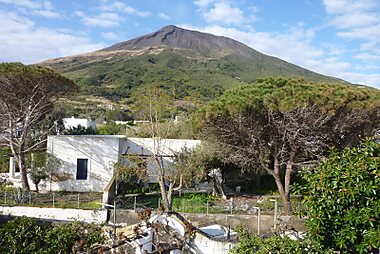
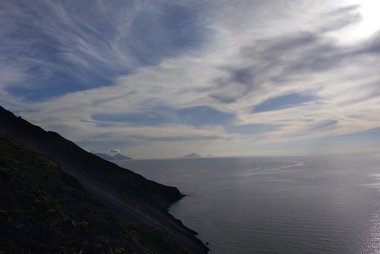
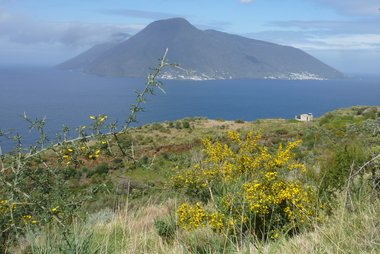
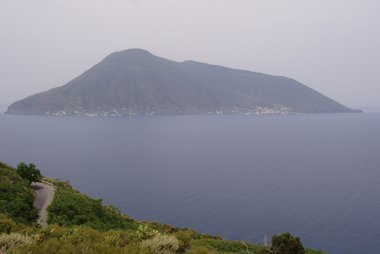
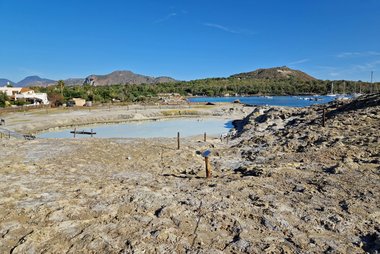
Stromboli erupts almost without pause. Small explosions light up the summit craters day and night, which is why sailors call it the Lighthouse of the Mediterranean.
Sciara del Fuoco is the huge black slope on the north side of Stromboli. Glowing rocks from the craters roll down it into the sea, best seen at dusk from a boat or from the viewpoint path above the village.
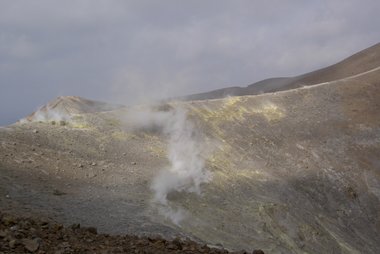
Vulcano is the island that gave its name to all volcanoes. When the path is open, a steep trail from Porto Levante climbs to the rim of the Gran Cratere, with yellow sulphur vents and views over all seven islands. It closes when volcanic gas levels rise, and climbers sign a waiver at the start.
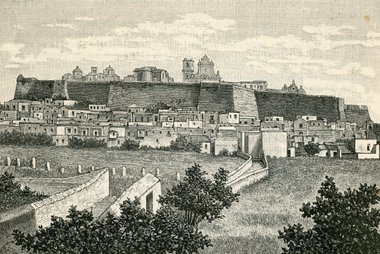
Castello di Lipari sits on a rock above Lipari town. Its massive 16th-century Spanish walls enclose excavated prehistoric huts, Greek ruins and several churches.
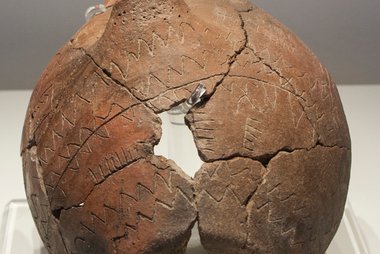
Inside the citadel, Museo Archeologico Regionale Eoliano tells the story of the islands from the Stone Age to Roman times. Do not miss the Greek theatre masks and the finds from ancient shipwrecks. Allow at least two hours.
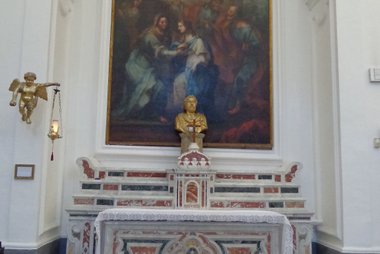
Concattedrale di San Bartolomeo stands at the heart of the citadel. It was founded by the Normans, and its quiet Norman cloister survives next to the church.
Monte Fossa delle Felci on Salina, the greenest island, is the highest point of the islands at 962 m. The forest trail to the top is a popular day hike with views over the whole archipelago.
Empfohlene Listen


Best Beaches
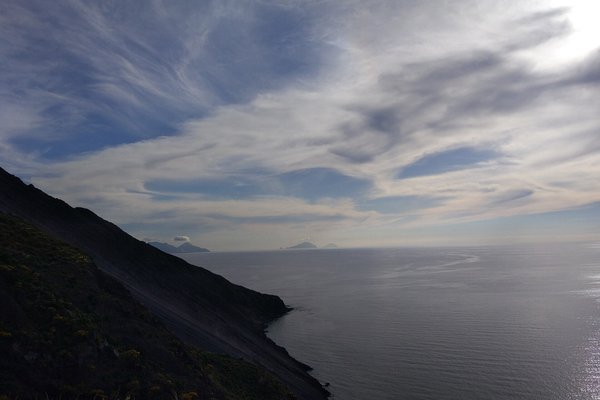
The Aeolian Islands offer a diverse coastal landscape shaped by intense volcanic activity. This selection highlights the archipelago's unique geological features, from the deep black sands of Vulcano and Stromboli to the white pumice shores of Lipari. Many locations, such as Spiaggia delle Acque Calde and Spiaggia Fumarole, feature geothermal activity with underwater vents and thermal waters. These sites range from remote gravel coves like Cala Junco, situated below prehistoric ruins, to the dramatic volcanic craters of Salina.
12 Orte
Erlebnisse & Aktivitäten
The islands are about the sea and the volcanoes. These are the moments that define a visit:
- Watch Stromboli erupt at night: evening boats stop below Sciara del Fuoco after dark, when the red bursts are easiest to see. A guided evening walk up the volcano is the alternative on land.
- Take a mud bath on Vulcano: the warm sulphur mud pool at Vasca di Fanghi is a local ritual. Rinse off in the sea nearby, where gas bubbles warm the water.
- Swim off a boat: a day tour around Lipari and Salina stops at sea caves, sea stacks and coves that you cannot reach by road.
- Snorkel over gas vents: off Panarea and Vulcano, streams of volcanic bubbles rise from the seabed in shallow water.
- Watch the sunset over the sea stacks: the Quattrocchi viewpoint on Lipari looks across to the sea stacks and the crater of Vulcano.
- Walk on a white pumice beach: north of Canneto on Lipari, old pumice quarries left white slopes and very clear, pale blue water at Spiaggia Bianca.
Touren & Aktivitäten
Liparische Inseln — Karte

 Interaktive Karte öffnen
Tagesausflüge
Hydrofoils from Lipari make island-hopping easy. These trips are listed from nearest to farthest:
- Salina (about 20–30 minutes by hydrofoil): rent a scooter and visit the crater bay of Pollara, the salt lagoon at Lingua and the vineyards of Malfa. The bay of Pollara lies inside an old crater and was a filming location for Il Postino.
- Panarea (under 1 hour by hydrofoil): a small, stylish island with white houses. Walk to the Bronze Age village of Punta Milazzese and the rocky cove of Cala Junco below it.
- Filicudi (about 1 hour by hydrofoil): quiet hills, sea caves and the Bronze Age village at Capo Graziano. Boat trips go to the La Canna sea stack.
- Milazzo on the Sicilian coast (about 1 hour by hydrofoil): a large castle above the old town and a coastal walk on the Capo Milazzo headland.
- Isola di Stromboli (1–2 hours by hydrofoil): most visitors come for the evening. Join a guided walk or an evening boat trip to watch the eruptions, then return late or stay the night.
- Alicudi (about 1.5–2 hours by hydrofoil): the most remote island, with no roads for cars. Mules still carry goods up the stone steps.
Orte zum Entdecken
Isola di Stromboli has its own page for the volcano island and its villages.
Back on Sicily, Mount Etna is the other great volcano of the region. Taormina and Cefalù are classic seaside towns, and Catania and Palermo are the main cities and airport gateways.
Anreise
- By air: the nearest large airport is Catania (CTA). Milazzo port is about 1.5 hours away by car, and Giuntabus runs buses between the airport and the port. Palermo (PMO) is about 2.5 hours from Milazzo by car.
- By sea from Milazzo: Milazzo is the main port all year. Liberty Lines hydrofoils reach Vulcano and Lipari in about an hour. Siremar ferries are slower but carry cars. Liberty Lines
- By sea from other ports: Liberty Lines hydrofoils also sail from Messina and Reggio Calabria. In summer there are hydrofoils from Palermo and from Naples. Siremar ferries sail from Naples all year, about twice a week, on a long overnight crossing. Siremar ferries (Caronte & Tourist)
- By train: Catania and Palermo have trains to Milazzo station. The station is a few kilometres from the port, so take a taxi or local bus for the last part.
- Weather: strong wind and high waves often cancel hydrofoils, especially outside summer. Leave a spare day before a flight home.
Unterwegs vor Ort
- Between islands: Liberty Lines hydrofoils and Siremar ferries link all seven islands. Buy tickets online or at the port ticket offices. In July and August, book popular routes a few days ahead. Liberty Lines
- Boat tours: small boats from Lipari, Salina and Vulcano run day tours around the coasts and evening trips to Stromboli. This is the easiest way to see sea caves, sea stacks and remote coves.
- On the islands: local buses run on Lipari and Salina, but services are limited outside summer. Scooters, e-bikes and small cars can be rented on Lipari, Vulcano and Salina.
- Panarea and Stromboli: there are no normal cars. Small electric carts and three-wheeled vans work as taxis and carry luggage from the port.
- On foot: the villages are compact and walkable, but island roads are steep and hot in summer.
Autofahren
- Is a car worth it?: no. Hydrofoils, boats, buses and rented scooters cover everything, and roads are narrow and steep.
- Summer car ban: cars of non-residents may not land on Lipari, Vulcano and Filicudi from 1 June to 30 September, on Alicudi from 1 June to 31 October, and on Panarea and Stromboli from 1 May to 31 October. There are exceptions, for example for stays of at least seven nights on Lipari, Vulcano or Filicudi. Check the current decree before you travel.
- Parking: leave the car in one of the paid car parks near the port in Milazzo.
- Salina: Salina is not part of the ban, and a car or scooter is useful there.
Essen & Trinken
Island cooking is simple and based on fish, capers, wild fennel and tomatoes. Look for pasta with capers, olives and tomatoes, fresh swordfish, and pane cunzato, a large open sandwich of bread with tomatoes, capers, tuna and cheese. Capers from Salina are famous across Italy. Finish a meal with a glass of Malvasia delle Lipari, a sweet golden wine made mostly on Salina. For breakfast, locals eat granita with a soft brioche.
In Lipari town, the best area for dinner is around Marina Corta and the side streets of Corso Vittorio Emanuele. On Salina, the village of Lingua is known for granita and pane cunzato by the lagoon. In summer, book ahead on Panarea, where restaurants fill up quickly.
Sicherheit & Gesundheit
The islands are very safe, and petty crime is rare. The real risks are the volcanoes, the sun and the sea.
Stromboli
- Hiking above the village is limited by an order of the Comune di Lipari, and the summit craters are closed.
- Without a guide, you may walk up to 290 m from Stromboli village and up to 130 m from Ginostra.
- With a licensed alpine or volcano guide, groups of up to 25 people may climb to 400 m. Guided walks are allowed between 11:00 and midnight.
- Above 290 m, a certified helmet is compulsory and you must carry a dust mask. Guides provide both.
- The "Natura" trail is closed.
- Breaking the rules costs a fine of €500. The mayor can stop all excursions at short notice when activity increases, so check the current rules locally.
Vulcano
- The crater path starts near Porto Levante and is closed when gas levels rise. In summer, the hottest midday hours are not allowed.
- Stay on the marked path and keep away from the fumaroles. People with breathing problems should avoid the climb, because the sulphur gas irritates the lungs.
- The mud pool charges an entrance fee and sometimes closes for safety. People with breathing problems or low blood pressure may not enter.
Sea and water
- Hydrofoils stop in strong wind. Swimming in rough sea near rocky coasts is dangerous.
- Most locals drink bottled water, because island water comes from desalination plants and supply ships.
Geschichte
People came to the islands more than 6,000 years ago for obsidian, a black volcanic glass from Lipari. It was used for sharp tools and traded across the Mediterranean. In the Bronze Age, villages grew on easy-to-defend headlands such as Capo Graziano on Filicudi and Punta Milazzese on Panarea, and you can still walk among their hut foundations.
Greek settlers founded Lipari around 580 BC on the rock now crowned by Castello di Lipari. Finds from this long past fill Museo Archeologico Regionale Eoliano. In 1544 the pirate Hayreddin Barbarossa destroyed the town and carried off much of its population. The Spanish then built the massive walls you see today. Greek myth says the islands were the home of Aeolus, keeper of the winds, which gave them their name.
In the 20th century the islands became famous through film. Roberto Rossellini shot Stromboli with Ingrid Bergman on the island in 1949, and Il Postino was filmed on Salina in the 1990s. In 2000, UNESCO listed the islands as a World Heritage Site.
Länderfakten
Quick practical facts for Italy at a glance:
- Währung
- Euro EUR € · Kartenzahlung · Weitgehend akzeptiert
- Notrufnummern
- 112
- Stromnetz
- 230 V · 50 HzSteckertyp C / Steckertyp F / Steckertyp L
- Sprachen
- Italienisch
- Leitungswasser
- Trinkbar
- Fahrseite
- Rechtsverkehr
- Telefonvorwahl
- +39


Liparische Inseln – Plane deine Tage
Verwandle die Orte aus diesem Reiseführer in eine echte Reiseroute mit intelligenter Routenführung, Zeitschätzungen und allem für eine perfekte Reise.


Ähnliche Reiseziele


Data: © OpenStreetMap contributors, Wikidata, Wikipedia, Tripomatic, Official websites. Tours by GetYourGuide. We earn commission from bookings. Travel guide generated with AI.
Plane deine Reise mit Tripomatic
- KI-gestützte PlanungErhalte mit einem Fingertipp einen fertigen Tag, lass die KI deine Merkliste über deine Reise verteilen oder plane alles im Chat.
- ReisewarnungenOffizielle Hinweise, Unwetter, Streiks und Naturgefahren für die Orte an jedem Tag deiner Reise.
- Feiertage & EventsSieh Feiertage, Festivals und Schließungen an den Tagen deiner Reise und erfahre, was sie für deine Pläne bedeuten.
- KostenschätzungKI-gestützte Reisekostenübersichten, damit du dein Budget schon vor der Abreise genau kennst.
- Touren & TicketsBuche geführte Touren, Tickets ohne Anstehen und Aktivitäten direkt in deinem Reiseplan.