


München
München ist die Hauptstadt Bayerns und die drittgrößte Stadt Deutschlands – ein Ort, an dem jahrhundertealte Tradition und eine wohlhabende, moderne Metropole harmonisch nebeneinander existieren. Prachtvolle Boulevards, Barockschlösser und Biergärten unter Kastanienbäumen verleihen der Stadt einen entspannten, unverwechselbar bayerischen Charakter, auch wenn sie gleichzeitig ein bedeutender Standort für große Technologie- und Automobilunternehmen ist.
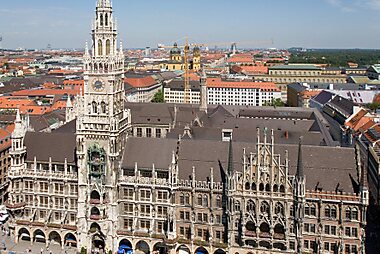
Im Herzen der Stadt liegt der Marienplatz, der historische Hauptplatz, der vom neugotischen Neuen Rathaus und den Zwiebeltürmen der Frauenkirche überragt wird. Jenseits der Altstadt bietet München königliche Schlösser, erstklassige Museen und eine einfache Anbindung an die Bayerischen Alpen.

München – Planst du eine Reise?
Erstelle deine Reiseroute Tag für Tag in der Tripomatic-App.
Beste Reisezeit
München ist ein ganzjähriges Reiseziel, doch jede Jahreszeit hat ihren ganz eigenen Charakter. Vom späten Frühling bis zum frühen Herbst herrscht warmes, geselliges Wetter – ideal für Biergärten und den Englischen Garten. Von Ende September bis Anfang Oktober ist Oktoberfestzeit, in der die Stadt von Besuchern gefüllt ist; buchen Sie Ihre Unterkunft in diesem Zeitraum weit im Voraus. Die Winter sind kalt und oft verschneit, aber die Münchner Weihnachtsmärkte (Christkindlmarkt), insbesondere der auf dem Marienplatz, sind eine Attraktion für sich.
Top-Sehenswürdigkeiten
Die Must-See-Liste von München umfasst königliche Geschichte, erstklassige Museen und Grünflächen:
Der Marienplatz ist der zentrale Platz der Stadt und ein guter erster Halt – beobachten Sie das Glockenspiel im Turm des Neuen Rathauses um 11 Uhr (und im Sommer auch um 12 Uhr). Marienplatz
Die Frauenkirche, Münchens Kathedrale mit ihren markanten Zwiebeltürmen, ist in der gesamten Skyline sichtbar und einen Aufstieg für die Aussicht wert. Frauenkirche
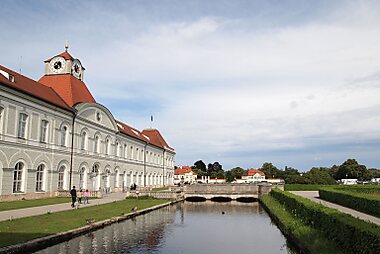
Das Schloss Nymphenburg, die ehemalige Sommerresidenz der bayerischen Königsfamilie, liegt in weitläufigen Barockgärten am Rande der Stadt. Schloss Nymphenburg
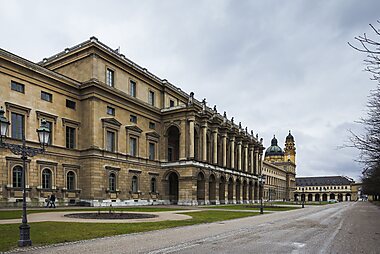
Die Residenz, der ehemalige königliche Palast der Wittelsbacher im Stadtzentrum, beherbergt prunkvolle Prunkräume und eine Schatzkammer. Residenzmuseum und Schatzkammer
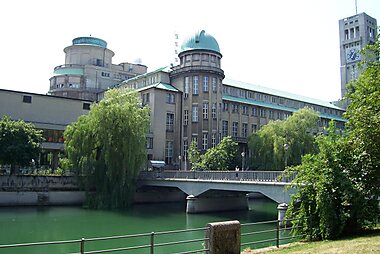
Das Deutsche Museum, eines der ältesten und größten Wissenschafts- und Technikmuseen der Welt, befindet sich auf einer eigenen Insel in der Isar. Deutsches Museum
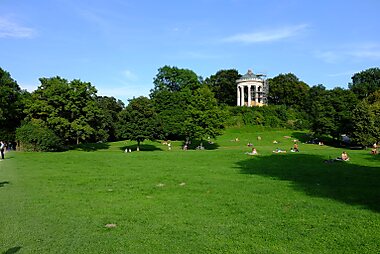
Der Englische Garten, einer der größten Stadtparks der Welt, ist berühmt für seine Biergärten, den Chinesischen Turm und Surfer, die auf einer stehenden Welle am Eisbach reiten. Englischer Garten
Empfohlene Listen


Audioguides – München
Erkunde die Stadt zu Fuß mit einer selbstgeführten Audiotour, die dir jeden Ort erklärt, sobald du ihn erreichst.


Höre die Audiotouren von München
1 Rundgang in Audioguides von Tripomatic


Erlebnisse & Aktivitäten
- Verbringen Sie einen Nachmittag in einem Biergarten unter Kastanienbäumen – der Englischer Garten bietet gleich mehrere, darunter den beliebten Biergarten am Chinesischen Turm.
- Beobachten Sie Surfer, die auf der stehenden Welle am Eisbach am südlichen Rand des Englischen Gartens reiten.
- Stöbern Sie an den Ständen des Viktualienmarkt, Münchens historischem Lebensmittelmarkt, nach bayerischen Spezialitäten und einem Mittagessen im Biergarten.
- Heben Sie einen Maßkrug im historischen Hofbräuhaus, einem der berühmtesten Bierhäuser der Welt, in dem an den meisten Abenden Live-Blasmusik gespielt wird.
- Besichtigen Sie das futuristische BMW Welt mit Ausstellungsraum und Museum für das Design- und Motorsport-Erbe von BMW.
- Erkunden Sie das Gelände und die Gärten von Schloss Nymphenburg in aller Ruhe – der Schlosspark ist frei zugänglich.
Touren & Aktivitäten
München — Karte

 Interaktive Karte öffnen
 Tagesausflüge
Die Lage von München macht die Stadt zu einem hervorragenden Ausgangspunkt für Erkundungstouren durch Bayern:
- Schloss Neuschwanstein: Etwa 2 Stunden mit Zug und Bus entfernt, ist dieses märchenhafte Schloss aus dem 19. Jahrhundert, das von König Ludwig II. in Auftrag gegeben wurde, eine der meistbesuchten Sehenswürdigkeiten Deutschlands. Buchen Sie Ihre Tickets vorab online, da der Einlass zeitlich begrenzt ist. Schloss Neuschwanstein
- KZ-Gedenkstätte Dachau: Etwa 30–40 Minuten mit S-Bahn und Bus entfernt, ist das Gelände des ersten deutschen Konzentrationslagers der Nationalsozialisten heute als Gedenkstätte und Dokumentationszentrum erhalten – ein bedrückender, aber wichtiger Besuch.
- Zugspitze: Deutschlands höchster Gipfel ist in etwa 2 Stunden mit Zug und Seilbahn erreichbar und bietet (bei gutem Wetter) einen Panoramablick auf die Alpen.
- Chiemsee: Bayerns größter See, etwa eine Stunde mit dem Zug entfernt, bietet Bootsfahrten zum prunkvollen Schloss Herrenchiemsee von König Ludwig II.
Anreise
- Mit dem Flugzeug: Der Flughafen München (MUC) ist einer der verkehrsreichsten Flughäfen Deutschlands mit umfangreichen europäischen und interkontinentalen Verbindungen. Die S-Bahn (Linien S1 und S8) verbindet ihn in etwa 40–45 Minuten mit der Innenstadt.
- Mit dem Zug: Der München Hauptbahnhof ist ein wichtiger Knotenpunkt für ICE-Hochgeschwindigkeitszüge mit Verbindungen nach Berlin, Frankfurt, Wien, Zürich und in andere europäische Städte.
- Mit dem Bus: Fernbusse (FlixBus und andere) kommen am ZOB (Zentraler Omnibusbahnhof) in der Nähe der Hackerbrücke an.
Unterwegs vor Ort
- Das öffentliche Verkehrsnetz Münchens (MVV) kombiniert U-Bahnen, S-Bahnen, Straßenbahnen und Busse und deckt die Stadt sowie die umliegende Region effizient ab. Tickets gelten für alle Verkehrsmittel und können über die MVV-App oder an Automaten an den Stationen gekauft werden.
- Die Altstadt ist sehr gut zu Fuß erkundbar und rund um den Marienplatz weitgehend verkehrsberuhigt.
- München eignet sich zudem hervorragend zum Radfahren, mit eigenen Radwegen im gesamten Stadtgebiet; Fahrradverleih ist weit verbreitet.
- Taxis und Fahrdienst-Apps sind in der ganzen Stadt verfügbar.
Essen & Trinken
Die bayerische Küche ist deftig und konzentriert sich auf Fleisch, Brot und Bier. Das Mittagessen ist oft die Hauptmahlzeit des Tages; viele Einheimische essen mittags eine richtige warme Mahlzeit und abends etwas Leichteres – traditionell Aufschnitt und Brot, bekannt als Brotzeit.
Zu den typischen Gerichten gehören Weisswurst (weiße Kalbswurst, die traditionell vor dem Mittag mit süßem Senf und einer Brezel gegessen wird), Schweinshaxe und Leberkäse (ein gebackener Fleischkäse, der oft als schneller Mittagssnack im Brötchen serviert wird). Biergärten sind eine Münchner Institution – man darf dort üblicherweise seine eigenen Speisen mitbringen, sofern man die Getränke vor Ort kauft, eine langjährige lokale Tradition.
Gute Orte, um lokale Spezialitäten zu probieren, sind Viktualienmarkt für marktfrische Optionen und Hofbräuhaus für ein klassisches, touristisches, aber unterhaltsames Bierhallen-Erlebnis. München ist zudem die Heimat des Oktoberfests, und seine Brauereien (Augustiner, Paulaner, Löwenbräu, Hofbräu, Spaten, Hacker-Pschorr) sind die größten Namen Bayerns.
Sicherheit & Gesundheit
München ist für Besucher im Allgemeinen eine sehr sichere Stadt mit einer niedrigen Rate an Gewaltverbrechen. Wie in jeder Großstadt kann es in belebten Gegenden zu Kleinkriminalität kommen.
- Taschendiebstahl wird gelegentlich rund um Marienplatz, auf dem Oktoberfest und in überfüllten öffentlichen Verkehrsmitteln gemeldet – bewahren Sie Wertsachen sicher auf.
- Oktoberfest-Menschenmengen: Achten Sie während des Festes in den Bierzelten genau auf Ihre Sachen und vermeiden Sie übermäßigen Alkoholkonsum, da dies die häufigste Ursache für Probleme ist.
- Leitungswasser kann in der gesamten Stadt bedenkenlos getrunken werden.
Geschichte
München wurde 1158 in der Nähe eines Benediktinerklosters gegründet – der Name leitet sich von Munichen ab, was „bei den Mönchen“ bedeutet. Die Stadt wurde zum Sitz der Wittelsbacher Dynastie, die über 700 Jahre lang über Bayern herrschte und einen Großteil der prachtvollen Architektur der Stadt prägte, darunter die Residenz und das Nymphenburger Schloss.
Das 19. Jahrhundert unter König Ludwig I. und später Ludwig II. brachte eine Welle von Bautätigkeiten und Kunstförderung mit sich, ebenso wie den berühmten Schlossbau des exzentrischen Königs, darunter Neuschwanstein. München erlitt im Zweiten Weltkrieg schwere Bombenangriffe, und ein Großteil des historischen Zentrums, einschließlich des Marienplatzes, wurde danach wieder aufgebaut.
1972 war München Gastgeber der Olympischen Sommerspiele, ein Ereignis, das von der Geiselnahme und dem Massaker an israelischen Athleten überschattet wurde, der Stadt aber auch den Olympiapark und eine moderne Infrastruktur hinterließ, die bis heute genutzt wird. Heute ist München eine der wohlhabendsten Städte Deutschlands und neben seinem historischen Kern auch Heimat bedeutender Unternehmen wie BMW und Siemens.
Länderfakten
Praktische Fakten für Deutschland auf einen Blick:
- Währung
- Euro EUR € · Kartenzahlung · Häufig akzeptiert
- Notrufnummern
- 112 Rettungsdienst · Feuerwehr
- Stromnetz
- 230 V · 50 HzSteckertyp C / Steckertyp F
- Sprachen
- Deutsch
- Leitungswasser
- Trinkbar
- Fahrseite
- Rechtsverkehr
- Telefonvorwahl
- +49


München – Plane deine Tage
Verwandle die Orte aus diesem Reiseführer in eine echte Reiseroute mit intelligenter Routenführung, Zeitschätzungen und allem für eine perfekte Reise.

