



Abu Dhabi Emirate
Abu Dhabi is the capital of the United Arab Emirates and the seat of its federal government, spread across a low-lying island linked to the mainland by bridges. It grew from a small pearling and fishing settlement into one of the world's richest cities within a few decades of striking oil. That transformation still shows: gleaming towers and museums sit next to a working corniche where fishermen still bring in their catch. The pace here is calmer and more formal than in neighboring Dubai, with wide boulevards, manicured parks, and some of the region's most ambitious cultural projects.
It suits travelers who want a few days of striking architecture, museums, and desert culture without the nonstop buzz of Dubai. Families are well served by theme parks on Yas Island. History-minded visitors can trace the emirate's rapid rise from Bedouin trading post to global capital in a single afternoon.

Abu Dhabi Emirate – Planning a Trip?
Build your day-by-day itinerary in the Tripomatic app.


When to visit
Abu Dhabi has two real seasons: a long, very hot summer and a mild, pleasant winter. November through March bring warm, sunny days and cool evenings, while June through September are extremely hot and humid.
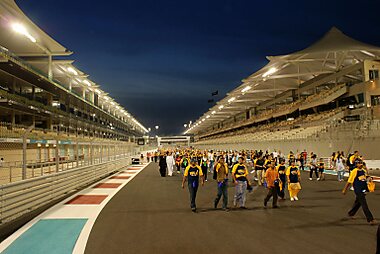
Plan around the Abu Dhabi Formula 1 Grand Prix at Yas Marina Circuit, the season finale held in early December. The whole city fills up and hotel prices spike that week, so book well ahead if you want to attend, or avoid it if you would rather skip the crowds. Outdoor sightseeing works best in the morning or evening for most of the year; only December through February is comfortable outside all day.
Best time to visit: January, February, November, December
Top sights


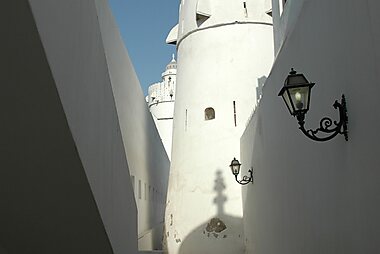
Sheikh Zayed Grand Mosque is the country's largest mosque and one of the most photographed buildings in the Gulf. It has enough marble, gold leaf, and crystal chandeliers to fill an afternoon. Visitors of any faith can enter outside prayer times, and modest dress is provided free at the gate if needed.
Louvre Abu Dhabi sits under a vast perforated dome that scatters light across the galleries below. Its collection deliberately mixes art and artifacts from different civilizations side by side, rather than sorting them by region.
Zayed National Museum was designed by Norman Foster in partnership with the British Museum. It tells the story of the UAE's unification and the life of its founding ruler through six galleries of artifacts.
Qasr Al Watan is a working presidential palace that opened part of its halls and library to the public. An evening light show projected onto its facade is worth timing a visit around.
Emirates Palace began as one of the world's most expensive hotels to build. It is open to non-guests for coffee or afternoon tea under its enormous gilded dome.
Qasr Al Hosn is the oldest surviving structure in the city. It was originally built as a watchtower in 1761 to guard the settlement's only freshwater well.
Ferrari World Abu Dhabi is home to Formula Rossa, one of the world's fastest rollercoasters, plus dozens of other rides. All of it is packed under a single red roof shaped like a Ferrari badge.
Warner Bros World Abu Dhabi brings Batman, Scooby-Doo, and other Warner Bros characters to life across six themed indoor lands. It is a good option when it is too hot to be outside.
Featured Lists


Beach & Coastal Leisure
Abu Dhabi’s coastline features diverse seaside experiences, from the manicured private sands of the Emirates Palace to the Blue Flag-certified Corniche Beach. Saadiyat Island offers protected natural habitats for hawksbill turtles at Saadiyat Beach Club and the extensive white sands of Soul Beach. On Yas Island, the public beach provides access to calm waters and mangroves. These locations provide amenities ranging from luxury cabanas and infinity pools to family-oriented boardwalks and water sports facilities.
5 places


Modern Architecture
Abu Dhabi’s skyline showcases rapid urban transformation through bold structural engineering and contemporary design. This collection highlights the world’s first circular skyscraper, the Aldar Headquarters, and Zaha Hadid’s 842-meter-long Sheikh Zayed Bridge, defined by its undulating steel arches. Key cultural landmarks include the Norman Foster-designed Zayed National Museum and the intricate white granite domes of Qasr Al Watan. The list is completed by Wahat Al Karama, a memorial featuring 31 leaning aluminum tablets representing national unity.
7 placesWhat to experience
A few things in Abu Dhabi go beyond sightseeing:
- Watch the Formula 1 season finale under the lights at Yas Marina Circuit in early December, followed by concerts on Yas Island.
- Take a guided ride through Masdar City on its driverless electric podcars, one of the first attempts anywhere at a car-free, solar-powered district.
- Join a desert safari into the dunes outside the city: dune-bashing by 4x4, sandboarding, and a Bedouin-style camp dinner under the stars.
- Cycle or jog the corniche waterfront promenade at sunset, when locals turn out for the sea breeze.
Tours & Activities
Abu Dhabi Emirate — Map

Day trips
Abu Dhabi's location makes it a good base for exploring the wider emirate and beyond.
- Al Wathba Wetland Reserve — about 40 minutes by car, a protected wetland where thousands of flamingos gather in winter; boardwalks and hides let you get close without disturbing them.
- Al Ain — about 1.5 hours by car, a green oasis city built around an ancient palm grove, with the mountain viewpoint of Jebel Hafeet and a walled fort to explore.
- Dubai — about 1.5 hours by car or bus, easily combined into one busy day if you want to see the Burj Khalifa and Dubai's souqs and malls.
- The Liwa Oasis and the edge of the Rub' al Khali desert — roughly 2.5 hours by car, a string of oasis villages backed by some of the tallest sand dunes on Earth, best visited on an organized desert safari or overnight camp.
Where to explore
Abu Dhabi is the largest of the UAE's seven emirates, and its own borders stretch far beyond the capital.
- Within the emirate, Al Ain is the traditional garden city on the border with Oman, worth a night if you have time beyond a day trip.
- To the northeast, Dubai and Sharjah are close enough to combine with an Abu Dhabi stay; Sharjah in particular is known for its museums and a more traditional, alcohol-free atmosphere.
Getting there
- By air: Zayed International Airport (AUH) is the main gateway, about 30 km east of downtown. A taxi to the center takes roughly 30–40 minutes; airport buses also run into the city for a few dirhams. Many travelers also fly into Dubai International (DXB) and continue to Abu Dhabi by road, about 1.5 hours away.
- By bus: Long-distance coaches run frequently to and from Dubai, Al Ain, and other emirates from the main Abu Dhabi bus terminal.
Getting around
- Public transit: Abu Dhabi's city bus network covers the main districts and Yas Island. Buy a rechargeable Hafilat card at kiosks or top up through the operator's app before boarding; buses do not accept cash.
- Taxi / ride-hailing: Metered taxis are plentiful and inexpensive. Careem and Uber both operate citywide and are often the easiest way to reach Yas Island or Saadiyat Island attractions.
- On foot / cycling: The Corniche and Yas Island both have dedicated cycling and walking paths, but the city overall is spread out and built around wide roads, so walking between districts is impractical, especially in summer heat.
Driving
- Is a car worth it?: Not necessary for a short stay in the city center, since taxis and ride-hailing cover it cheaply, but a car is genuinely useful for reaching Yas Island, Saadiyat beaches, or a desert day trip on your own schedule.
- Parking: Downtown parking is metered through the Mawaqif system — pay by app, SMS, or at curbside meters; many hotels and malls also offer free covered parking.
- Restrictions: Some highways use the Darb toll system, which reads your number plate by camera rather than requiring a physical tag. Rental agencies register your plate and add any charges to your bill afterward, so there is nothing to pay at the barrier.
Food & drink
Abu Dhabi's dining scene mixes Emirati home cooking with the food of the many communities who live and work here, from Lebanese grills to South Asian curry houses. For a proper Emirati meal, look for machboos (spiced rice with meat or fish) or luqaimat (fried dough balls in date syrup) rather than the generic menus aimed at tourists.
For a concentrated stretch of good, casual eating, head to the restaurants along the Corniche or the Al Mina fish market area, where you can pick a fish and have it grilled to order.
Safety & health
Abu Dhabi is one of the safest capital cities to visit; violent crime against tourists is rare and police keep a visible presence in tourist areas. The most common issues are minor: pickpocketing in crowded malls or during the Grand Prix weekend, and unmetered "friendly" taxi rides, so always ask the driver to switch the meter on.
Public alcohol consumption outside licensed venues, and public displays of affection, can draw police attention, so dress modestly away from the beach and pool.
History
Abu Dhabi began as a small pearling and fishing settlement on a flat island, first developed after fresh water was discovered here in the 18th century. The Bani Yas tribe built a watchtower to guard that well in 1761; it grew into Qasr Al Hosn, still standing today as the city's oldest structure.
For most of its history the settlement lived off pearling and fishing, until oil exports began in the 1960s. Sheikh Zayed bin Sultan Al Nahyan used the new wealth to build hospitals, schools, and roads at a pace that transformed the city within a generation. He then led the emirates into forming the United Arab Emirates in 1971. His story is told in detail at Zayed National Museum, while Wahat Al Karama honors the soldiers who have served the country since.
Country facts
Quick practical facts for the United Arab Emirates at a glance:
- Currency
- United Arab Emirates Dirham AED AED · Card payments · Widely accepted
- Emergency numbers
- 112
- Electricity
- 220 V · 50 HzType C / Type G
- Languages
- Arabic
- Tap water
- Safe to drink
- Driving side
- Right
- Calling code
- +971
Abu Dhabi Emirate – Plan Your Trip
Pick the places you want to see and Tripomatic turns them into a day-by-day route, with smart routing, time estimates, and everything you need for a perfect trip.




