



Chile
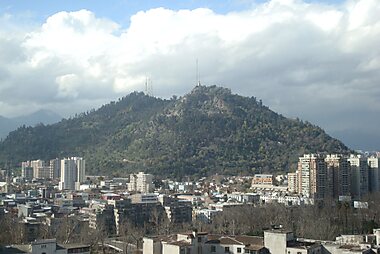
Chile stretches over 4,300 kilometers along South America's Pacific coast, squeezed between the Andes and the ocean. Few countries pack more contrast into one trip. The driest desert on Earth sits in the north, glaciers and fjords fill the south, and a fertile wine-growing valley lies in between. The capital, Santiago, sits near the country's center, framed by snow-capped peaks.
Chile suits travelers who enjoy the outdoors more than city sightseeing. Hiking in Patagonia, stargazing in the Atacama Desert, and wine tasting near Santiago are the country's biggest draws. Distances are large, so most visitors pick one or two regions rather than trying to cover the whole country in a single trip.



Chile – Planning a Trip?
Build your day-by-day itinerary in the Tripomatic app.


Money & payments
Chile writes large numbers with a period as the thousands separator, so a price tag reading $10.000 means ten thousand pesos, not ten.
Cards are accepted at most restaurants, hotels, and shops in cities and tourist towns. Carry cash for local markets, small food stalls, and some national park entrances. Card machines can also be unreliable in remote areas like Chiloé or rural Patagonia. ATMs (cajeros automáticos) are common in cities but usually charge a withdrawal fee on top of your own bank's charge.
Featured Lists


Historic Sites and Landmarks
This collection highlights Chile’s diverse heritage, from the northern deserts to the southern tip of Patagonia. It features significant naval battlefields from the War of the Pacific, such as Punta Angamos and Tarapacá, where pivotal 19th-century encounters took place. In the south, the list includes historic maritime structures in Punta Arenas, including skeletal wooden piers and monuments commemorating the region's seafaring importance, alongside colonial-era religious architecture in the Andean highlands.
6 placesTours & Activities
Chile — Map

 Open the interactive map
 Tipping
Restaurants usually add a suggested 10% tip (propina sugerida) to the bill. You can ask the waiter to remove it if you'd rather not pay it. Round up taxi fares instead of adding a set percentage. Guides on multi-day treks or tours in Patagonia and the Atacama Desert appreciate a tip at the end of the trip.
~10% suggested (propina sugerida)
round up
tip at end of multi-day trip
small tip for porters
Electricity
Chile uses Type C and L plugs at 220 V / 50 Hz. Bring an adapter if your devices use a different plug shape; most phone and laptop chargers handle the voltage automatically.
Language
Spanish is Chile's official language. Chileans speak fast and use many local expressions. Even fluent Spanish speakers from other countries sometimes struggle to follow conversations. English is common in Santiago hotels, tour agencies, and Patagonia lodges, but far less so in smaller towns and rural areas.
Staying connected
Prepaid SIM cards from Entel, Movistar, or WOM are sold at airport kiosks and shopping malls. Bring your passport, since registration is required by law. Coverage is reliable in cities and along the main highways. Signal drops out for long stretches in Patagonia, the Atacama Desert, and on ferry crossings through the southern fjords.
Safety & emergencies
Chile is one of the safer countries in South America for tourists, but petty theft happens in crowded areas. Watch your belongings on the Santiago metro, at Cerro San Cristóbal, and in the Bellavista nightlife district. Keep bags zipped and avoid displaying phones or cameras openly. Political protests occasionally gather in downtown Santiago; they are usually peaceful but can turn tense, so avoid the area if you come across one.
Health
Tap water is safe to drink in Santiago and most cities. Pharmacies (farmacias) are widespread, with Cruz Verde and Farmacias Ahumada open late or 24 hours in larger towns. If you're heading to San Pedro de Atacama or high Andean passes, give yourself a day or two to adjust to the altitude first. The sun is strong at altitude and in Patagonia; use sunscreen even on cloudy days.
Visas & entry
Visitors from the United States, Canada, the European Union, the United Kingdom, and Australia can enter Chile without a visa for stays of up to 90 days. The same applies to most Latin American countries. Travelers from other countries should check whether they need a visa before departure.
Visa and entry requirements change frequently. Verify current requirements with the official immigration authority or your country's embassy before travel.
Etiquette
Chileans usually greet with a single kiss on the right cheek, including between men and women who have just met. A handshake is common in business settings. Dress modestly when visiting churches, covering shoulders and knees. Chileans tend to be reserved with strangers at first, but conversations open up quickly.
Holidays & opening hours
Public holidays affect transport schedules and can close small shops, so check ahead if traveling around one. Chile's Independence Day celebrations (Fiestas Patrias), in mid-September, are the busiest travel period of the year. Book buses, flights, and hotels well in advance if visiting then.
Most shops open Monday to Saturday and close on Sunday outside malls and tourist areas. Businesses in smaller towns often still pause for a longer lunch break.
Getting around
Chile's length makes domestic flights the fastest way to link its regions:
- By air: LATAM and Sky Airline connect Santiago with the Atacama Desert, Patagonia, and Easter Island. Flying saves days of travel compared to the bus, especially for the north and far south.
- By bus: Long-distance coaches (Turbus, Pullman Bus) link almost every town, with reclining seats and overnight routes between major cities. Buy tickets at the terminal or online in advance around holidays.
- By train: Passenger rail is limited to a few regional lines around Santiago and the central valley. It isn't a practical way to cover long distances.
Santiago is the country's main air hub, with connections to the Atacama Desert, Patagonia, and Easter Island. Punta Arenas is the main gateway to Chilean Patagonia.
Driving
Renting a car is a good way to explore the Lake District, the wine valleys near Santiago, or the Carretera Austral in Patagonia. Public transport is limited in all three.
- Rules: Blood alcohol limits are strictly enforced, with checkpoints common on highways, especially around holidays.
- Tolls: Chile's main highways, including the Panamericana (Ruta 5), charge tolls at highway plazas. Rental cars are usually fitted with an electronic TAG for automatic payment; ask your rental company how charges are billed.
- Parking: Street parking in cities is often managed by informal attendants (cuidadores) who expect a small tip. Paid garages and metered parking are common downtown.
- Fuel: Petrol is sold as bencina (95 and 97 octane); diesel is petróleo or diésel. Stations are staffed, and attendants pump the fuel for you.
- Electric vehicles: Charging stations cluster around Santiago. Coverage thins out fast on longer road trips, so plan charging stops ahead of time.
Food & drink
Lunch is the main meal of the day, often eaten around 1 or 2pm. Dinner comes later and lighter, sometimes replaced by once — a light early-evening spread of bread, cheese, avocado, and tea, similar to British afternoon tea. Weekend family lunches can stretch for hours.
Empanadas filled with pino (minced beef, onion, olives, and egg) are the closest thing to a national dish. Pastel de choclo, a corn and beef casserole, is another favorite, along with curanto, a seafood and meat stew traditional to Chiloé. Street food includes completos (hot dogs piled with avocado, tomato, and mayonnaise) and sopaipillas, fried pumpkin dough eaten plain or with a sweet syrup.
Chile is one of the world's major wine producers, and a glass of Carmenère or Sauvignon Blanc is easy to find anywhere. Pisco sour, made with the local grape brandy, is the country's signature cocktail. Mote con huesillo, a cold drink of husked wheat and dried peach, is a popular summer refresher sold from street carts.
Where to explore
Chile's regions are spread across a huge range of latitude, so most trips focus on one or two areas rather than the whole country.
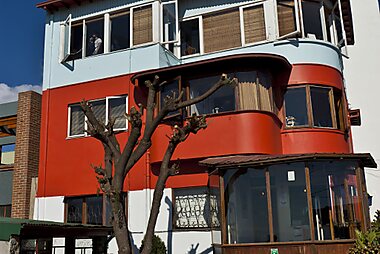
Santiago and the coast: Santiago, the capital, sits about an hour from the Pacific coast. Nearby is Valparaíso, a hillside port city known for its street art and funiculars, and the beach resort of Viña del Mar. Wine valleys and hot springs fill the countryside around the capital.
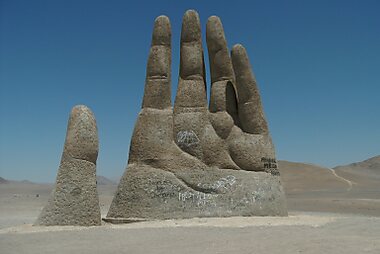
The north: San Pedro de Atacama is the base for exploring the Atacama Desert's salt flats, geysers, and stargazing tours. Antofagasta is a coastal mining city with access to desert sights, and La Serena combines colonial architecture with nearby beaches and observatories.
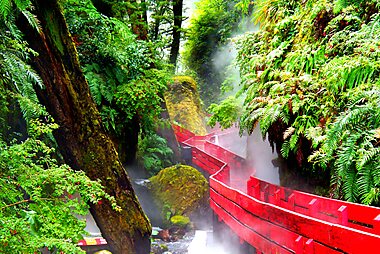
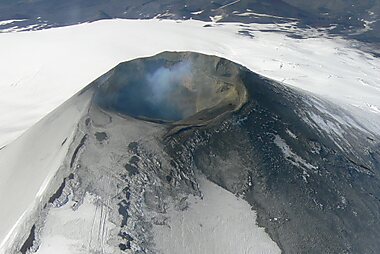
The Lake District and Chiloé: Pucón sits beneath an active volcano and is the region's adventure-sports hub. Puerto Varas offers lake and volcano views with a German-immigrant heritage. The island town of Castro is known for its stilted houses and UNESCO-listed wooden churches.
Patagonia and Easter Island: Punta Arenas and Puerto Natales are the gateway towns to Torres del Paine National Park, Chile's most famous national park. Far out in the Pacific, Easter Island holds the moai statues that made it famous.
Chile – Plan Your Trip
Pick the places you want to see and Tripomatic turns them into a day-by-day route, with smart routing, time estimates, and everything you need for a perfect trip.


Related destinations


Data: © OpenStreetMap contributors, Wikidata, Wikipedia, Tripomatic, Official websites, geoBoundaries (CC BY 4.0). Tours by GetYourGuide. We earn commission from bookings. Travel guide generated with AI.