



French Guiana
French Guiana is an overseas department and region of France on the northeast coast of South America, between Suriname and Brazil. It is part of the European Union, uses the euro and runs on French rules. Most of the territory is Amazon rainforest, and almost everyone lives in a thin strip of towns along the Atlantic coast.
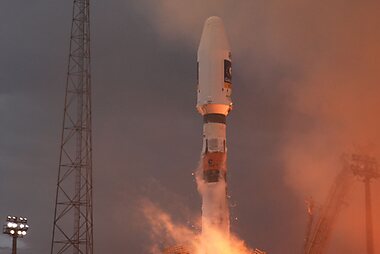
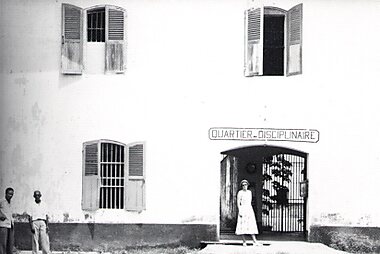
Visitors come for three things: rockets, penal-colony history and wild nature. You can tour Europe's spaceport at Guiana Space Centre, take a boat to the former prison islands off Kourou, and walk through Camp de la Transportation, where convicts arrived from France. Beyond the coast are giant sea turtles, river trips by dugout canoe and rainforest lodges. The territory suits independent travellers who are happy to drive, plan ahead and accept basic comfort away from the main towns.






French Guiana – Planning a Trip?
Build your day-by-day itinerary in the Tripomatic app.


Money & payments
Prices are generally higher than in mainland France, because most goods are imported. Budget travellers who self-cater and stay in simple guesthouses or rainforest hammock camps (carbets) can manage on about €70–90 a day. A mid-range trip with a rental car, hotels and restaurant meals costs more like €150–250 per person a day.
- Cash: carry euros for markets, food stalls, small guesthouses, river boat operators and anything in the interior.
- ATMs: easy to find in Cayenne, Kourou and Saint-Laurent-du-Maroni. Interior villages have few or none, so take enough cash before you fly or travel upriver.
Tours & Activities
French Guiana — Map

 Open the interactive map
 Tipping
Tipping is not a strong custom. Restaurant prices already include service, as in mainland France. Leave a few euros or round up only when service was genuinely good. Guides on multi-day river or forest trips are the main exception, where a tip at the end is appreciated.
service included; round up or 5–10 % for good service
round up
€1–2 per bag
€5–10 per person per day
Electricity
French Guiana uses the same sockets and voltage as mainland France. European plugs work without an adapter, but UK and North American plugs need one.
Language
French is the only official language and is used for all signs, menus and official business. Guianese Creole is widely spoken on the coast. In the west, along the Maroni River, many people speak Maroon languages and Sranan Tongo, the common language of neighbouring Suriname. Portuguese is common near the Brazilian border, and the Hmong villages speak Hmong.
English is not widely spoken outside a few tour operators and the space centre. Learn a few basic French phrases, and always start with bonjour.
Staying connected
- Roaming: French Guiana is part of the EU, so EU mobile plans generally work here at home rates. Check with your operator first, because some plans treat overseas regions differently.
- Coverage: mobile signal is good in the coastal towns and along the main road, but disappears in much of the interior. Expect no signal on river trips and in most forest camps. Download offline maps before you go.
Safety & emergencies
Crime is low for most visitors, but there is a risk of robbery in some parts of Cayenne, especially after dark. Use normal city care: take a taxi at night, do not show expensive jewellery, and be careful after using an ATM. Avoid isolated beaches after dark.
- Sea: currents along the coast can be strong and the water is often muddy. Swim only where locals swim.
- Rainforest: never walk off marked trails alone. For anything beyond a short marked trail, go with a registered guide or tour operator, as it is very easy to get lost.
- Roads: the main risks are speeding, drink-driving and heavy tropical rain. Drive slowly at night.
Health
- Yellow fever: vaccination is mandatory for all travellers aged over one year. Get the vaccine at least 10 days before you arrive, and carry your international vaccination certificate, as you can be asked for it on arrival. A medical certificate stating that you cannot be vaccinated is accepted. Travellers in airport transit for less than 12 hours are exempt.
- Mosquitoes: dengue, chikungunya and Zika all occur here. The mosquitoes that spread them bite mainly during the day, so use repellent all day and wear long sleeves.
- Malaria: there is a low risk along some rivers in the interior, but not on the coast. Antimalarial tablets are not usually advised for normal tourist trips, but ask a travel clinic if you plan to spend time upriver.
- Healthcare: hospitals and doctors in the coastal towns work to French standards. Pharmacies are easy to find in towns. EU travellers should bring their European Health Insurance Card (EHIC), and UK travellers their GHIC. Travel insurance with medical evacuation cover is still important, as the interior is far from hospitals.
- Water: tap water in the main coastal towns is treated, but many visitors prefer bottled water. In the interior, always drink bottled or treated water.
Visas & entry
French Guiana is part of France and the EU, but it is not part of the Schengen Area. Entry rules are set by France specifically for its overseas territories.
- EU, EEA and Swiss citizens: can enter with a valid national ID card or passport.
- Visa-free visitors: citizens of countries that do not need a Schengen visa, such as the UK, the USA, Canada and Australia, can usually visit for up to 90 days. UK visitors need a passport valid for at least three months after the day they leave.
- Schengen visa holders: a Schengen visa is not valid here. If you need a visa, apply for one issued specifically for French Guiana.
- Yellow fever certificate: required on entry for everyone over one year old (see Health).
Visa and entry requirements change frequently. Verify current requirements with the official immigration authority or your country's embassy before travel.
Etiquette
- Greetings: always say bonjour (or bonsoir in the evening) when you enter a shop, bus or small restaurant. Skipping it is seen as rude.
- Dress: beachwear is for the beach. Cover up in towns, churches and villages.
- Photos: ask before photographing people, especially in Amerindian, Maroon and Hmong villages. Some people will say no, and that should be respected.
- Villages: in Amerindian and Maroon villages, visit with a local guide and follow their lead. Do not enter homes or ceremonial spaces without being invited.
- Nature: do not buy products made from protected wildlife, such as turtle shell or feathers. At turtle nesting beaches, stay back and do not use flash or torches near the animals.
Holidays & opening hours
On public holidays, most shops, offices and banks close, and bus services are reduced.
Many shops and offices close for a long lunch break, often in the early afternoon, and most shops close on Sunday afternoon. Carnival runs from early January until Ash Wednesday. During this time, weekend parades fill the streets of Cayenne, Kourou and Saint-Laurent-du-Maroni, and night-time masked balls are held on Saturdays.
Getting around
There is no railway. A single road route follows the coast, made up of two national roads: the RN2 east of Cayenne and the RN1 west of it. The interior is reached only by small plane or boat.
- By car: renting a car is the easiest way to explore the coast. The road runs from Saint-Georges-de-l'Oyapock on the Brazilian border through Cayenne and Kourou to Saint-Laurent-du-Maroni. Cayenne to Kourou takes about an hour, and Cayenne to Saint-Laurent-du-Maroni about three hours.
- By bus: the regional TIG network runs cheap intercity buses between the coastal towns. Pay the driver in cash before the trip. Shared taxis (taxis collectifs) also link the main towns and leave when they are full.
- By air: small planes fly from Cayenne airport to interior villages with no road, such as Saül and Maripasoula. Flights take about 45 minutes to an hour. Book early, as seats are limited.
- By boat: catamarans leave Kourou for the Îles du Salut, a crossing of about an hour. River trips in motorised dugout canoes (pirogues) are the only way to reach many river villages and forest camps.
- Crossing borders: a car ferry links Saint-Laurent-du-Maroni with Albina in Suriname. In the east, a road bridge links Saint-Georges-de-l'Oyapock with Oiapoque in Brazil.
Driving
- Rules: French road rules apply. The drink-driving limit is 0.5 g/l of alcohol in the blood, lower than in England, Wales and Northern Ireland.
- Tolls: there are no toll roads.
- Roads: the two national roads, the RN1 and RN2, are mostly two-lane and paved. Watch for speed bumps in villages, sudden tropical downpours and animals on the road. Avoid driving in the dark on rural stretches where you can.
- Interior: most of the interior has no roads at all. Forest tracks off the main road can be muddy and are often unsuitable for normal rental cars in the rainy season.
- Parking: free and easy almost everywhere except central Cayenne.
- Fuel: petrol is sold as Sans plomb 95 (SP95) and diesel as Gazole. Fill up in the main towns, as stations are far apart on some stretches.
- Electric vehicles: public charging points are rare outside Cayenne and Kourou, so an electric rental is only practical for short trips.
Food & drink
Food in French Guiana mixes Creole, French, Amerindian, Maroon, Brazilian, Chinese and Hmong cooking. Lunch is the main meal, usually eaten from about 12:00. Dinner in restaurants starts from about 19:00. Fish, chicken and smoked meat with rice, red beans and spicy sauces are everyday food. Many families eat bouillon d'awara, a slow-cooked palm-fruit stew, at Easter.
The Cayenne market is the best place to try local food, from fresh fruit juices to bowls of Vietnamese-style noodle soup. On Sunday mornings, the Hmong village of Cacao, about an hour from Cayenne, holds a busy market with Laotian dishes and local fruit. For drinks, try fresh juices such as wassaï, the local rum, and ti' punch, made with rum, lime and cane sugar.
Where to explore
The coast around Cayenne
- Cayenne is the capital, with a small colonial centre. See Cathédrale Saint-Sauveur, the views from Fort Cépérou and the collections of Musée départemental Alexandre Franconie.
- Rémire-Montjoly, just east of Cayenne, has the region's best-known town beaches, the ruins of the Jesuit plantation Habitation Loyola and the basalt walls of Fort Diamant.
- The Kaw-Roura Marshes Nature Reserve is a huge wetland southeast of Cayenne, known for caimans and birdlife on evening boat trips.
Kourou and the islands
- Kourou is home to Guiana Space Centre. Guided tours of the launch site are free. Book at least 48 working hours ahead and bring an ID card. Tours are open to children aged 8 and over. Public viewing sites open for some launches. Guiana Space Centre – visits
- The Îles du Salut lie about 14 km off Kourou. They held the most feared part of the penal colony, which ran from 1852 to 1953. On Île Royale, see Musée du bagne and Royal Island Chapel, painted inside by a convict artist. Landing on Devil's Island is forbidden because of dangerous currents, but you can see Maison de Dreyfus, sur l'île du Diable, where Alfred Dreyfus was held, from the water. You can stay overnight on Île Royale.
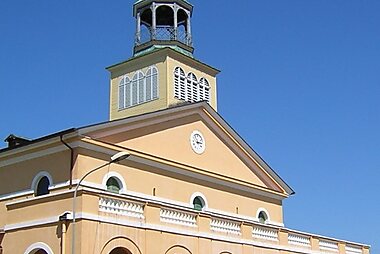
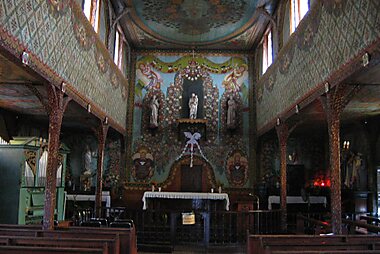
- Sinnamary is a quiet coastal town west of Kourou. Further west, Église Saint-Joseph d'Iracoubo has walls and ceilings painted by a convict.
The west
- Saint-Laurent-du-Maroni sits on the Maroni River facing Suriname. Camp de la Transportation is where convicts arriving from France were first held and sorted. Pirogue trips on the river visit Maroon villages.
- Awala-Yalimapo is one of the world's major nesting beaches for leatherback turtles. Leatherbacks nest from about March to July.
- Chutes Voltaire, the largest waterfalls in French Guiana, are reached by a forest track and a hike south of Saint-Laurent-du-Maroni.
The interior
- The Guiana Amazonian Park covers the rainforest of the south. The village of Saül, reached by small plane, is the base for its marked walking trails.
- Cacao, south of Cayenne, is a Hmong village founded by refugees from Laos in the late 1970s. It is known for its Sunday market.
French Guiana – Plan Your Trip
Pick the places you want to see and Tripomatic turns them into a day-by-day route, with smart routing, time estimates, and everything you need for a perfect trip.


Related destinations


Data: © OpenStreetMap contributors, Wikipedia, Tripomatic, Official websites, geoBoundaries (CC BY 4.0). Tours by GetYourGuide. We earn commission from bookings. Travel guide generated with AI.