



Las Vegas
Las Vegas grew from a small railroad stop into a city built almost entirely around entertainment. Casino resorts, elaborate stage shows, and around-the-clock nightlife fill a few miles of desert boulevard known as the Strip. It suits travelers who want big shows, casino gaming, and a dense concentration of restaurants and nightlife, more than quiet sightseeing.
The city sits in the Mojave Desert, so sunshine is nearly constant and summers are extremely hot. Nevada legalized gambling in 1931, and casino money has rebuilt the skyline every few decades since — few other cities demolish and replace their own landmarks so often.

Las Vegas – Planning a Trip?
Build your day-by-day itinerary in the Tripomatic app.


When to visit
Spring and fall are mild and the most pleasant seasons for walking outdoors. Summer afternoons bring extreme, sometimes dangerous heat, and winter nights can turn surprisingly cold.
Plan around New Year's Eve, when a massive fireworks show lights up the Strip and hotel rates spike months in advance — book early if you want to be there for it.
Best time to visit: March, April, October, November
Top sights
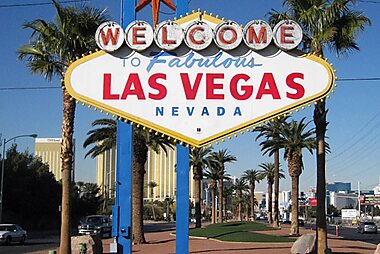


Welcome to Fabulous Las Vegas Sign is the classic photo stop for arriving visitors, a 1959 neon sign now protected as a historic landmark.
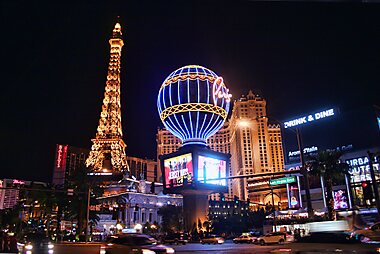
Las Vegas Strip is the four-mile boulevard where most of the city's biggest resorts, casinos, and shows sit side by side.
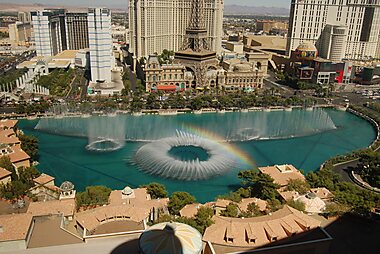
Watch Fountains of Bellagio, a free choreographed water and light show that runs every 15 to 30 minutes after dark.
Ride High Roller, a 550-foot observation wheel with panoramic views over the whole valley.
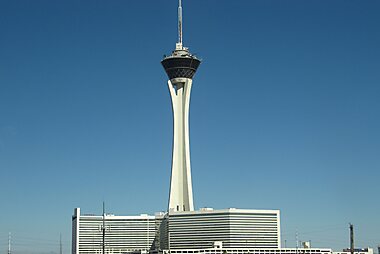
Stratosphere Tower is the tallest freestanding observation tower in the United States, with thrill rides built onto its rim.
At night, Sphere turns into a giant animated screen visible from across the valley, one of the newest additions to the skyline.
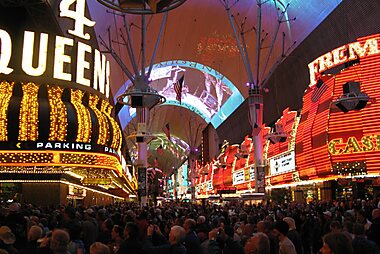
Head downtown for Fremont Street Experience, a pedestrian street covered by a canopy that runs a free light and music show every hour after dark.
Neon Museum displays dozens of retired casino signs, rescued from demolished hotels, in an outdoor exhibit that tells the city's history through its own neon.
Featured Lists


Iconic Las Vegas Shows
This collection highlights premier entertainment venues along the Las Vegas Strip, ranging from intimate music halls to grand theatrical stages. It includes The Colosseum at Caesars Palace, purpose-built for major residencies, and dedicated theaters for long-running Cirque du Soleil productions like Mystère and The Beatles Love. The list also features the House of Blues at Mandalay Bay for live concerts, the high-capacity Bakkt Theater at Planet Hollywood, and the multi-level Marquee Nightclub, which integrates a casino and rooftop pools.
7 places


What to experience
Las Vegas runs on spectacle, and several of its best moments are things to do rather than places to see.
- Catch a headliner residency or a Cirque du Soleil production. Venues like The Colosseum host rotating shows that change every few years, so check what's currently running before you go.
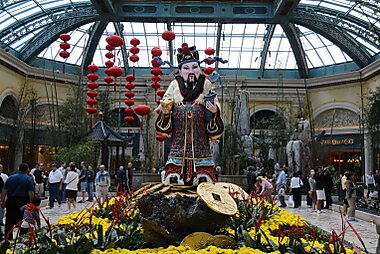
- Time a visit to Bellagio Conservatory & Botanical Gardens around one of its seasonal displays. The garden is rebuilt several times a year for spring, Chinese New Year, and the winter holidays.
- Play a hand of blackjack or spin a classic slot machine on a casino floor, even for small stakes. It's the city's signature ritual.
- Get married on short notice at a 24-hour wedding chapel such as Little White Chapel, a tradition unique to the city.
Tours & Activities
Las Vegas — Map

 Open the interactive map
 Day trips
Several dramatic desert landscapes sit within an hour or two of the Strip, and one flagship canyon viewpoint is a longer but worthwhile trip.
- Red Rock Canyon National Conservation Area — about 30-40 minutes by car. A scenic loop drive and short hiking trails through red sandstone cliffs, popular at sunset.
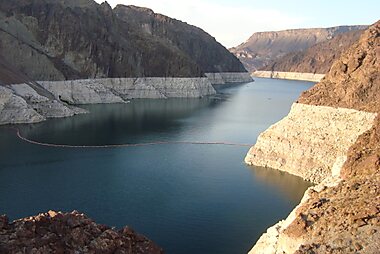
- Hoover Dam — about 45 minutes by car. One of the largest dams in the country, with tours into the structure itself and views over Lake Mead.
- Valley of Fire State Park — about an hour by car. Nevada's oldest state park, known for bright red rock formations and ancient petroglyphs.
- Grand Canyon West — about 2.5 to 3 hours by car. The closest section of the Grand Canyon to Las Vegas, home to the glass-floored Skywalk.
Getting there
- By air: Harry Reid International Airport (LAS) sits just south of the Strip and handles almost all visitor arrivals. It's about 5 km from the southern end of the Strip; a taxi or rideshare takes 15-20 minutes and costs roughly $20-30.
- By train: Las Vegas has no scheduled passenger rail service today. A high-speed line to the Los Angeles area is under construction but is not expected to open for several years.
- By bus: Long-distance coaches connect Las Vegas to Los Angeles, Phoenix, and other regional cities, arriving downtown.
Getting around
- Public transit: RTC buses run the length of the Strip and downtown; pay by tapping a contactless bank card or phone directly on the reader, or buy a pass through the RTC app. See RTC Transit for routes and fares. A privately operated monorail also runs along the east side of the Strip, connecting several resorts.
- Taxi / ride-hailing: Uber and Lyft cover the whole valley and are usually faster than walking between resorts that look close together on a map.
- On foot: The Strip has wide sidewalks and pedestrian bridges over the busiest intersections, but distances are deceptively large. Walking from one end to the other takes well over an hour, and summer heat makes it uncomfortable during the day.
Driving
- Is a car worth it?: Not for the Strip and downtown — walking, rideshare, and the monorail cover it. A car becomes useful for day trips to Red Rock Canyon National Conservation Area, Hoover Dam, or Valley of Fire State Park.
- Parking: Most Strip resorts now charge for both self-parking and valet, typically $20-25 for self-parking overnight and more for valet. This is unusual for a US city, where hotel parking is more often free.
- Restrictions: Fremont Street downtown is closed to cars along its pedestrian canopy section; drop-offs happen on side streets instead.
Food & drink
Vegas dining is built around spectacle as much as flavor. The Strip's mega-resorts compete to host branches of some of the world's most decorated chefs, so a memorable meal here often means booking ahead at a resort restaurant rather than wandering in.
All-you-can-eat buffets remain a genuine local institution, even though most resorts have scaled them back. Look for one inside a major casino resort rather than a standalone restaurant. Tipping in restaurants follows the country standard, and service charges are often added automatically for larger groups.
Safety & health
Las Vegas is generally safe for tourists who stick to the Strip and downtown, with a heavy security presence inside casinos. The most common issues are pickpocketing in crowded casino floors and nightclubs, and street vendors handing out flyers for adult entertainment — politely decline and keep walking.
The desert heat is the bigger risk. Carry water and limit time outdoors during summer afternoons, when heatstroke is a real danger.
History
Las Vegas began as a stop on the railroad linking Los Angeles and Salt Lake City, founded when developers auctioned town lots in 1905. Nevada legalized gambling in 1931, just as construction on Hoover Dam nearby brought thousands of workers to the area and gave the young city its first real population boom.
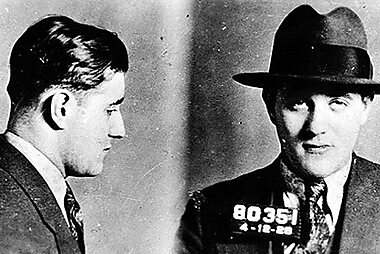
Organized crime shaped the early casino era: Benjamin "Bugsy" Siegel opened the Flamingo hotel-casino in 1946, helping set the resort-casino template still used along Las Vegas Strip today — Benjamin Bugsy Siegel Plaque marks the spot. Corporate ownership replaced the mob-run casinos from the 1960s onward, and the Strip has kept reinventing itself ever since. Neon Museum preserves signage from every era, and The Mob Museum tells the fuller story of the mob years.
Country facts
Here are the essentials for traveling in the United States:
- Currency
- US Dollar USD $ · Card payments · Widely accepted
- Emergency numbers
- 911 Police · Ambulance · Fire brigade
- Electricity
- 120 V · 60 HzType A / Type B
- Languages
- English
- Tap water
- Safe to drink
- Driving side
- Right
- Calling code
- +1


Las Vegas – Plan Your Days
Turn the places from this guide into a real itinerary, with smart routing, time estimates, and everything you need for a perfect trip.




