


Malmö
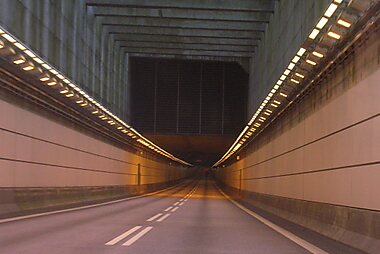
Malmö is Sweden's third-largest city, linked to Copenhagen by the Øresund Bridge, a combined bridge and tunnel crossing the strait between the two countries. The city mixes a compact medieval core with the modern towers of Västra Hamnen, where the twisting Turning Torso rises on former shipyard land. Malmö is flat and easy to explore on foot or by bike, and its population is drawn from more than 150 countries, giving it an unusually international feel for its size.
This is a good fit for travelers who want a relaxed city break with easy access to Copenhagen, southern Sweden's countryside, and long summer evenings by the sea. Footballer Zlatan Ibrahimović, who grew up in the Rosengård district, remains one of Malmö's best-known names.

Malmö – Planning a Trip?
Build your day-by-day itinerary in the Tripomatic app.


When to visit
Summers (June to August) are warm with long daylight hours, ideal for evenings by the sea. Spring and autumn are mild, and winter is cold and dark with short days. Plan around Malmöfestivalen in mid-August, a week-long free street festival with concerts, food stalls, and fireworks across the city's squares.
Best time to visit: August
Even in July, afternoon showers are common, so pack a light rain layer.
Top sights
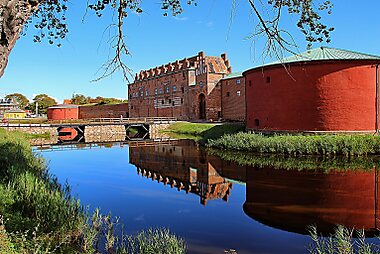


Malmöhus Castle is Scandinavia's oldest Renaissance castle, built by Danish rulers and now home to Malmö's main museums, from old master paintings to natural history.
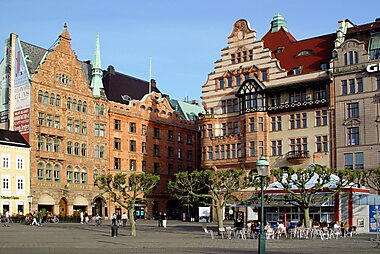
Stortorget is the city's grand main square, dominated by a statue of King Karl X and ringed by historic facades. A short walk away, Lilla Torg is a tiny cobbled square of 16th-century timber-framed houses, now packed with restaurant terraces.
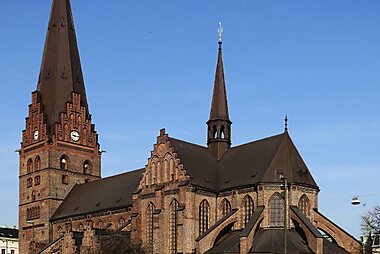
St. Peter's Church is a 14th-century Brick Gothic church with a richly decorated altarpiece, one of the largest in the Nordic countries.
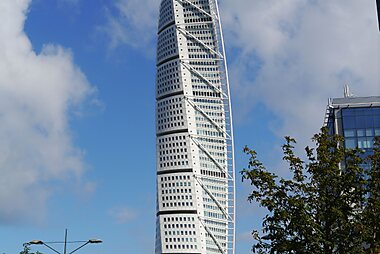
On the waterfront, the twisting Turning Torso is Malmö's modern landmark, built on former shipyard land and visible from across the city. Nearby, Ribersborg Beach is the city's most popular beach, with a seaside promenade for walking or cycling.
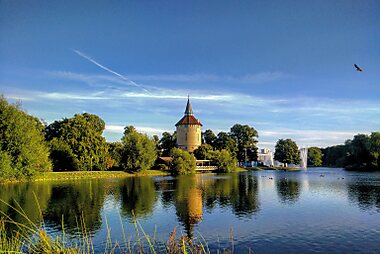
Pildammsparken is a large park built for the 1914 Baltic Exhibition, a quiet green space in the middle of the city. For contemporary art, Moderna Museet Malmö hosts changing exhibitions on the site of a well-known former Malmö gallery.
Featured Lists


Malmö Cultural Highlights
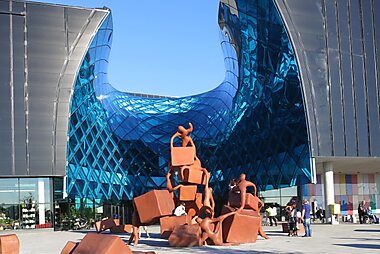
Malmö’s cultural landscape features a blend of historic architecture and contemporary art. Malmö Castle, Scandinavia's oldest Renaissance fortress, houses several museums within its historic walls on Slottsholmen. Nearby, the Moderna Museet showcases contemporary works in a repurposed power station. The city’s artistic heritage is further highlighted by Carl Milles’ 1949 sculpture "Människan och Pegasus" and the monumental Old Water Tower. For performing arts, the Malmö Opera stands as a significant venue for regional productions, while Makeriet provides a dedicated space for local art exhibitions.
7 places

What to experience
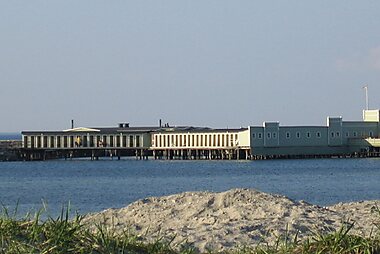
- Take a cold dip and warm up in the sauna at Ribersborgs Open-Air Bath, a century-old bathhouse on the strait that locals use year-round, even in winter.
- Browse the Saturday market at Möllevångstorget, where stalls sell produce and street food from dozens of countries.
- Cycle the flat seafront path from Ribersborg to Västra Hamnen, with views back toward the Øresund Bridge at sunset.
- Catch a concert at Malmö Live or a performance at Malmö Opera, both a short walk from the old town.
Tours & Activities
Malmö — Map

 Open the interactive map
 Day trips
Malmö sits close to Sweden's south coast and just across the water from Denmark, making it an easy base for day trips.
- Lund — about 12 min by train. A compact university town with a Romanesque cathedral and cobbled streets, easily covered in half a day.
- Copenhagen, Denmark — about 35 min by train across the Øresund Bridge. Many visitors treat it as a full extra day: Nyhavn, Tivoli Gardens, and the old town are all a short walk from the central station.
- Ystad — about 50 min by train. A well-preserved medieval town of half-timbered houses on the south coast, and the setting for the Wallander crime novels.
- Österlen — about 1 to 1.5 hours by car. A rural stretch of orchards, fishing villages, and art studios along the southeastern coast, best explored with a car.
Where to explore
Lund is Malmö's closest neighbor, a historic university town just a short train ride north. It makes an easy half-day add-on to a Malmö visit, or a full day if you want to see the cathedral and botanical garden without rushing.
Getting there
- By air: Copenhagen Airport (CPH), across the Øresund Bridge in Denmark, is the main gateway with the widest range of international flights. Trains run directly from the airport to Malmö Central Station in about 20 to 25 minutes. Malmö Airport (Sturup), 30 km southeast of the city, has a smaller schedule of domestic and charter flights, with a bus connection into town.
- By train: Malmö Central Station is southern Sweden's main rail hub. High-speed X2000 trains reach Stockholm in about 4.5 hours, and Öresundståg trains cross the bridge into Denmark, reaching Copenhagen Central in around 35 to 40 minutes.
- By bus: Long-distance coaches stop at the terminal by Malmö Central Station, with connections to Stockholm, Gothenburg, and cities in Denmark and Germany.
Getting around
- Public transit: Skånetrafiken runs the city buses and the regional Pågatåg trains. Tap a contactless bank card or phone directly on the reader when boarding a bus, or buy tickets through the Skånetrafiken app.
- Taxi / ride-hailing: regular taxis and apps like Bolt and Uber both operate in the city.
- On foot / cycling: the center is flat and compact, easily walkable in under an hour end to end. Protected bike lanes cover most of the city, and a public bike-share scheme makes cycling the fastest way to get around.
Driving
- Is a car worth it?: no. The center is small and walkable, and a car adds parking cost and hassle. Renting one is worth considering only for exploring the wider Skåne countryside or the coast around Österlen.
- Parking: multi-story garages ring the center; pay by app (EasyPark, Mobill) or at the machine. Street parking is metered and time-limited on weekdays.
- Restrictions: unlike Stockholm and Gothenburg, Malmö has no congestion charge. A handful of old-town streets are closed to cars.
Food & drink
Malmö's food scene reflects its large immigrant population as much as traditional Swedish cooking. Alongside classic Skåne dishes like spettekaka, a tall spun-sugar cake, the city has genuinely good Middle Eastern, Balkan, and North African food, brought by generations of newcomers rather than imported as a novelty.
For a classic evening out, the restaurant terraces around Lilla Torg are the most popular in the old town. For cheaper, more international eating, head to the streets around Möllevångstorget, where market stalls and small kitchens sell food from across the world.
Safety & health
Malmö's tourist areas, including the old town, the harbor, and the main squares, are safe to walk day and night. International headlines about gang-related shootings in Sweden almost always refer to specific residential districts well outside where visitors spend their time. The most common problems for tourists are petty theft and bike theft, so lock up bikes carefully and keep an eye on bags in busy areas like the central station and market squares.
History
Malmö was founded around 1275 as a herring-trading town and spent its early centuries under Danish rule. Malmöhus Castle was rebuilt as a Renaissance fortress by the Danish king in the 1530s, and St. Peter's Church, completed in the 14th century, still shows the Brick Gothic style favored across medieval Denmark. Sweden gained the city in 1658 under the Treaty of Roskilde, and the 16th-century Malmö Town Hall on Stortorget predates that change of hands.
The 19th and 20th centuries turned Malmö into an industrial shipbuilding city; the windmill Castle Mill (Slottsmöllan) near Kungsparken is a rare survivor from that era. When the shipyards closed in the 1980s and 90s, the city reinvented itself around the Øresund Bridge, opened in 2000, and the Turning Torso, built in 2005 on the old shipyard site as the symbol of Malmö's new identity.
Country facts
Quick practical facts for Sweden at a glance:
- Currency
- Swedish Krona SEK kr · Card payments · Widely accepted
- Emergency numbers
- 112
- Electricity
- 230 V · 50 HzType C / Type F
- Languages
- Swedish
- Tap water
- Safe to drink
- Driving side
- Right
- Calling code
- +46


Malmö – Plan Your Days
Turn the places from this guide into a real itinerary, with smart routing, time estimates, and everything you need for a perfect trip.