



Lund
Lund is one of Sweden's oldest cities, founded around the year 990 as a Viking-era trading settlement. Its compact medieval core has narrow cobbled streets, low timber houses, and a huge Romanesque cathedral that has anchored the skyline for nearly 900 years. Today the city runs on its university, founded in 1666 — more than 40,000 students share the streets with roughly 98,000 residents, giving Lund a young, informal energy that bigger Swedish cities lack.
It suits a traveler who wants a slower, walkable counterpoint to nearby Malmö or Copenhagen: almost everything worth seeing sits within a 20-minute walk, and a day or two is enough to see the highlights. Alongside the old town, two major modern research facilities, MAX IV and the European Spallation Source, give Lund a genuine reputation in science as well as history.

Lund – Planning a Trip?
Build your day-by-day itinerary in the Tripomatic app.


When to visit
Summer (June to August) is Lund's best season: warm days, long daylight, and outdoor cafés on every square. Spring and autumn are cooler but pleasant for walking; winters are cold, damp, and dark, with only a few hours of daylight around midwinter.
Time a visit for Kulturnatten (Culture Night) each September, when museums, churches, and university buildings across the city open late and free.
Best time to visit: July, August
Round midsummer, Lund gets nearly 18 hours of daylight; pack warm layers if visiting in winter.
Top sights
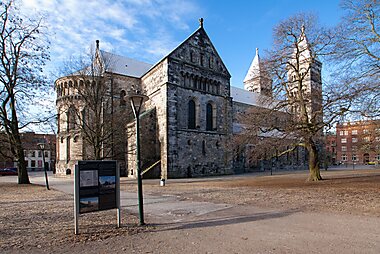
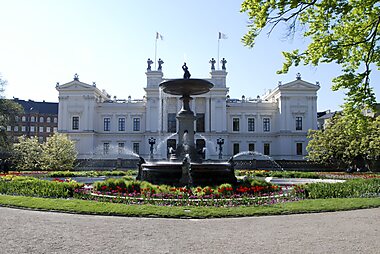
Lund Cathedral has anchored Lund's skyline since the 12th century. Look for the astronomical clock inside, which still performs a short chiming display at set hours.
Lund University Main Building is the ceremonial heart of Lund University, one of Scandinavia's oldest, founded in 1666. Its columned facade and rooftop sphinxes make it one of the city's most photographed buildings.
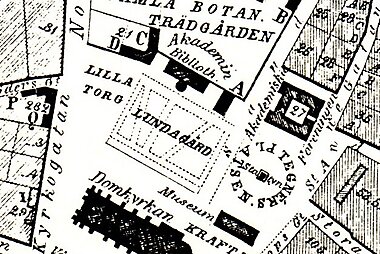
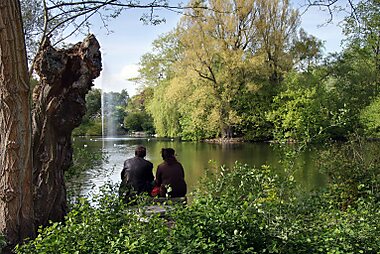
Between the cathedral and the university, Lundagård is a leafy park that has served as a student meeting point for centuries, especially lively around exam results and graduation season.
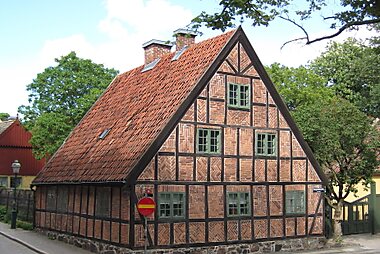
Kulturen is an open-air museum of historic buildings gathered from across the region — the world's second-oldest open-air museum after Skansen in Stockholm.
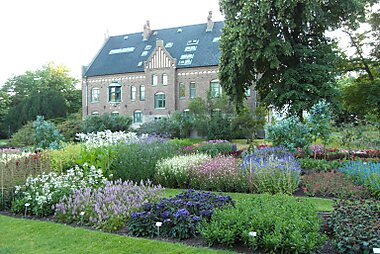
Owned and run by the university, Botaniska trädgården is free to enter and holds around 7,000 plant species, with greenhouses recreating nine different climate zones.
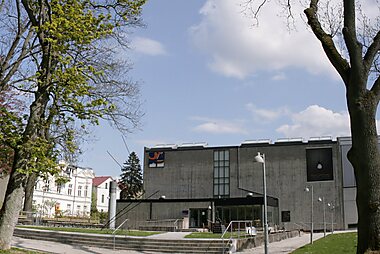
Skissernas museum is an unusual museum built entirely around artists' sketches and studies for public artworks, with pieces by Henry Moore, Diego Rivera, and Henri Matisse among the collection.
For a break from sightseeing, Stadsparken is a century-old city park with sculptures and a small maze, good for a picnic.
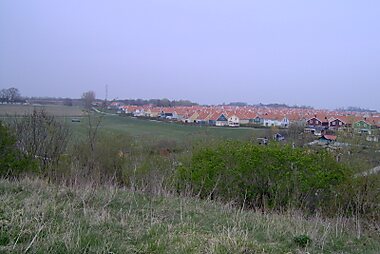
Sankt Hans backar is a hilltop park built on a former dump, now the city's largest green space, with views out over northern Lund.
Featured Lists


What to experience
Lund's student life shapes a lot of what's worth doing beyond sightseeing.
- Watch Lund Cathedral's astronomical clock strike the hour — a small procession of carved figures performs to a chiming melody at set times.
- Rent a bike and ride out along the flat farmland paths east of the city — cycling is how most locals, especially students, get around.
- If the timing lines up, join Lundakarnevalen, the student-run carnival held roughly every four years, when the streets fill with parades, floats, and open-air parties.
- Drop into one of the university's student "nations" on a pub night — most welcome visitors and offer a cheap, informal taste of Lund's famous student culture.
Tours & Activities
Lund — Map

Day trips
A short trip out of Lund's compact center opens up the rest of Skåne — and Denmark is closer than it looks.
- Malmö — about 12 minutes by train. Sweden's third-largest city has a livelier restaurant and nightlife scene, the Turning Torso skyscraper, and the sandy Ribersborg beach.
- Copenhagen — about 50 minutes by direct train across the Öresund Bridge. A full day covers Nyhavn, Tivoli Gardens, and the old town.
- Helsingborg — about 30 minutes by train. A harbor town with a hilltop keep and ferries across the sound to Helsingør's Kronborg Castle in Denmark.
- Ystad and the Österlen coast — a little over an hour by train, about an hour by car. Half-timbered streets, seaside art galleries, and the Iron Age stone-ship monument at Ales stenar make this a good full-day trip.
Where to explore
Skåne's other main towns are all within easy reach of Lund by train.
Malmö is the regional hub, a short hop away with more nightlife and dining options. Helsingborg sits on the narrowest point of the Öresund strait, facing Denmark. To the south, Ystad is the gateway to the rural Österlen coast.
Getting there
- By air: Copenhagen Airport (CPH), just across the Öresund strait in Denmark, is the main international gateway — direct Öresundståg trains reach Lund in about 35 minutes, with no transfer needed. Malmö Airport (MMX) is smaller, mostly serving domestic and a few regional European routes, about 35 minutes from Lund by airport coach or taxi.
- By train: Lund Central sits on the main line between Stockholm/Gothenburg and Malmö/Copenhagen, with frequent X2000 and Öresundståg services. Malmö is about 12 minutes away, Copenhagen about 50 minutes. Book via SJ or Skånetrafiken.
- By bus: Long-distance coaches stop at Lund, mainly linking to Malmö, Gothenburg, and Stockholm — a cheaper but slower alternative to the train.
Getting around
- Public transit: City and regional buses are run by Skånetrafiken; buy tickets through the Skånetrafiken app before boarding, since drivers do not sell tickets or take cash.
- On foot / cycling: Lund's center is flat and compact, and most sights are within a 20-minute walk. Cycling is extremely common, especially among students — rental bikes are available, and dedicated bike lanes cover most streets.
- Taxi: Metered taxis and ride-hailing apps operate but are rarely needed within the compact center.
Driving
- Is a car worth it?: No — Lund's center is compact, flat, and easy on foot or bike; a car adds parking hassle without saving time. Rent one only to explore rural Skåne or the Österlen coast independently.
- Parking: Paid parking covers most of the center (metered zones and a few multi-story garages); pay via a parking app or a machine. Free street parking is easier to find outside the ring road.
- Restrictions: Some cobbled streets in the old town near the cathedral are pedestrian-only or closed to through traffic.
Food & drink
Lund's food scene centers on fika — the daily coffee-and-pastry break — and the university's many student cafés keep prices lower than in nearby Malmö or Copenhagen.
For a sit-down meal, look around Mårtenstorget, the city's produce and food-hall square, or the streets just south of Lund Cathedral for a cluster of small restaurants and bakeries. Skåne is known for its cinnamon buns and dark rye bread — worth trying at any traditional konditori (bakery-café) in town.
Safety & health
Lund is very safe for travelers, with low rates of violent crime. The main risks are pickpocketing in crowds during big events like Kulturnatten, and bike theft — always lock your bike, even for short stops.
History
Lund was founded around the year 990, making it one of Sweden's oldest towns — though for most of its history it belonged to Denmark, not Sweden. Danish kings built Lund Cathedral as the seat of the archbishop for all of Scandinavia; its high altar was consecrated in 1145.
Skåne only became Swedish territory in 1658, after the Treaty of Roskilde ended a war between the two countries. To help integrate the region, the crown founded Lund University in 1666. Lund University Main Building itself is newer, completed in 1882, but it has been the university's symbolic center ever since.
Country facts
Quick practical facts for Sweden at a glance:
- Currency
- Swedish Krona SEK kr · Card payments · Widely accepted
- Emergency numbers
- 112
- Electricity
- 230 V · 50 HzType C / Type F
- Languages
- Swedish
- Tap water
- Safe to drink
- Driving side
- Right
- Calling code
- +46


Lund – Plan Your Days
Turn the places from this guide into a real itinerary, with smart routing, time estimates, and everything you need for a perfect trip.




