


Naoshima
Naoshima is a small island in the Seto Inland Sea, about 3,100 residents on roughly 14 km². It is known for contemporary art. Museums by the architect Tadao Ando sit among fishing villages, hills and beaches.
The island suits a slow trip of one or two days. Most visitors come for the museums, the Art House Project in Honmura village and the outdoor works by the sea. Many stay at least one night to avoid the ferry rush.

Naoshima – Planning a Trip?
Build your day-by-day itinerary in the Tripomatic app.


When to visit
May, June and October are the most pleasant months. June brings the rainy season and muggy air. July and August are hot and humid, and typhoons can stop ferries in late summer and autumn. Winters are cold but dry.
The Setouchi Triennale is an art festival held every three years on islands across the Seto Inland Sea, including Naoshima. The 2025 edition has ended and the next one is planned for 2028.
Best time to visit: May, June, October
Top sights


Most museums close on Mondays and several need a timed ticket. Buy tickets online, because they cost less than on-site tickets. Children aged 15 and under enter free.
- Chichu Art Museum is a mostly underground museum by Tadao Ando. It holds five Monet water lily paintings in natural light, plus works by James Turrell and Walter De Maria. It is open 10:00 to 17:00 (last entry 16:00). Entry is by advance timed reservation, no photos inside, closed Mondays. Weekday tickets cost ¥2,500 online.
- Benesse House Museum opened in 1992 as a museum combined with a hotel. It is open daily from 8:00 to 21:00 (last entry 20:00). Tickets cost ¥1,300 online, and hotel guests enter free.
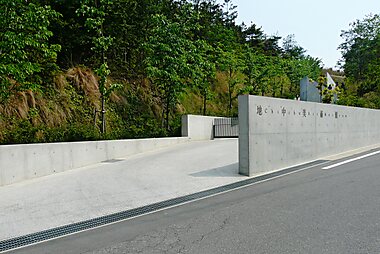
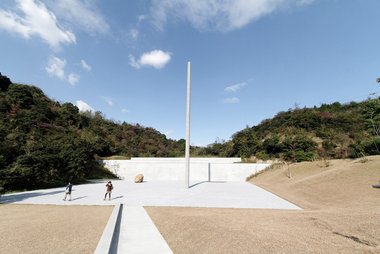
- Lee Ufan Museum is a semi-underground concrete museum in a valley by the sea. Tadao Ando designed it with the artist Lee Ufan. Take your shoes off at the entrance. It is closed Mondays, and tickets cost ¥1,200 online.
- Minamidera (Art House Project) is an Art House Project building with light works by James Turrell. Reservation is required, and it needs its own ¥600 online ticket.
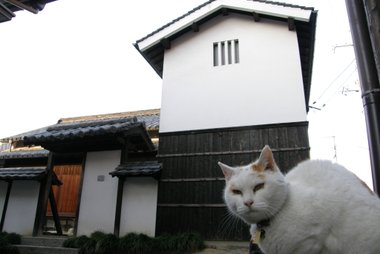
- Kadoya (Art House Project) is the first house in the Art House Project, a restored old house with work by Tatsuo Miyajima. A ¥1,200 online ticket covers five houses in Honmura, but not Minamidera. Most houses close for a lunch break around midday.
- Yayoi Kusama's Yellow Pumpkin is a yellow pumpkin sculpture by Yayoi Kusama, placed on a pier. A typhoon destroyed it in 2021, and it was put back in 2022.
- Naoshima New Museum of Art opened in spring 2025 on a hilltop near Honmura. It is a new museum of art.
Featured Lists


What to experience
- A public bath: Naoshima Bath is a working bathhouse decorated by Shinro Ohtake. It is open 13:00 to 21:00, closed Mondays, and costs ¥660. Bring a towel or buy one at the desk. Photos are not allowed inside.
- Sunset at Chichu: On Fridays and Saturdays, Chichu Art Museum offers a 45-minute sunset Night Program. Reserve it in advance.
- An evening at the museum: Benesse House Museum stays open until 21:00, so you can visit after the day crowds leave.
Tours & Activities
Naoshima — Map

 Open the interactive map
Day trips
Other art islands are reachable by ferry in under an hour. Check timetables first, because services can change.
- Teshima can be reached by ferry from Miyanoura Port. The Teshima Art Museum needs a timed ticket (¥1,800 online) and is closed on Tuesdays from March to November. In winter it is closed Tuesday to Thursday.
- Inujima is about 55 minutes from Miyanoura by ferry via Teshima. It has art facilities and a small village.
- Takamatsu is about 60 minutes away by ferry. It is the main city of Kagawa Prefecture and a good place to try sanuki udon.
- Okayama is about 50 minutes by train to Uno, plus a 20-minute ferry. It has a famous garden and a castle.
Where to explore
- For the mainland gateway on Shikoku, see Takamatsu.
- For another island in the Seto Inland Sea, see Shodoshima.
Getting there
- By air: The closest airports are Okayama Momotaro Airport and Takamatsu Airport. From Okayama Airport a limousine bus takes about 30 minutes to Okayama Station. From Takamatsu Airport a bus takes about 40 minutes to Takamatsu Station.
- From Okayama (via Uno): Take the JR Uno Line from Okayama Station to Uno Station, about 50 minutes. Uno Port is a 3-minute walk. The ferry to Naoshima takes about 20 minutes and costs ¥370. It lands at Miyanoura or Honmura, so check which pier you need.
- From Takamatsu: Takamatsu Port is a 5-minute walk from Takamatsu Station. The ferry to Miyanoura takes about 60 minutes and costs ¥680, with about 8 sailings a day. A faster high-speed boat costs ¥1,590.
- Ferry rules: Seats cannot be reserved. Sailings can be delayed or cancelled in bad weather. See Shikoku Kisen ferries for timetables.
- Arrival: Miyanoura Port is the main arrival point.
Getting around
- Town bus: Runs from Miyanoura Port to Tsutsuji-so via Honmura. Adults pay ¥100 in coins when they get off, and there is no change machine.
- Free museum shuttle: Runs from Tsutsuji-so to Chichu Art Museum, stopping at Benesse House Museum and Lee Ufan Museum. It runs every 20 minutes on busy days.
- Bicycle: Rentals are available in Miyanoura and Honmura. The area between the East and North gates near Tsutsuji-so is private. Only Benesse House guests may enter it by bicycle.
- Taxi: Taxis are very few, so book ahead.
- Tickets: Art House Project tickets and information are at Honmura Lounge & Archive, open 9:30 to 16:30 and closed Mondays.
Driving
- Car: Not needed. Distances are short and the bus, shuttle and bicycle cover the island. Traffic drives on the left in Japan.
- Parking: Miyanoura Port has a car park. There is also parking at the Chichu ticket center and near Tsutsuji-so.
- Restrictions: The private area between the East and North gates is closed to cars unless you are a Benesse House guest.
- Licence: Japan accepts only an International Driving Permit under the 1949 Geneva Convention. A 1968 Vienna permit is not valid. Licences from countries such as Switzerland, Germany, France, Belgium, Monaco and Taiwan need an official Japanese translation from JAF.
Food & drink
Kagawa is the home of sanuki udon. Try a bowl on the mainland before or after your visit.
On the island, eat in Honmura village or near Miyanoura Port, where small cafes and restaurants cluster. Chichu Art Museum has a cafe with sea views. It needs a museum ticket.
Safety & health
Naoshima is very safe, and crime is rare. The main risks are practical.
- Bad weather can delay or cancel ferries, and typhoons can pass in late summer and autumn. Leave time before onward trains or flights.
- Most facilities close on Mondays.
- Taxis are very few. Plan your last bus and ferry in advance.
History
The population fell from about 6,000 in 1970 to about 3,100 in 2020. A Mitsubishi refinery has operated here since 1917 and still dominates local industry.
Since the late 1980s, the Benesse company has built the island's art sites. Benesse House Museum opened in 1992, and Chichu Art Museum opened in July 2004. The Art House Project turned empty village houses in Honmura into artworks, beginning with Kadoya (Art House Project). The newest addition is Naoshima New Museum of Art, which opened in 2025.
Country facts
Here are the essentials for traveling in Japan:
- Currency
- Japanese Yen JPY ¥ · Card payments · Commonly accepted
- Electricity
- 100 VType A / Type B
- Languages
- Japanese
- Tap water
- Safe to drink
- Driving side
- Left
- Calling code
- +81


Naoshima – Plan Your Days
Turn the places from this guide into a real itinerary, with smart routing, time estimates, and everything you need for a perfect trip.


Related destinations
Data: © OpenStreetMap contributors, Wikidata, Wikipedia, Tripomatic, Official websites. Tours by GetYourGuide. We earn commission from bookings. Travel guide generated with AI.
Plan your trip with Tripomatic
- AI-Powered PlanningGet a ready-made day in one tap, let AI spread your shortlist across your trip, or plan everything by chatting.
- Travel AlertsOfficial advisories, severe weather, strikes, and natural hazards for the places on each day of your trip.
- Public Holidays & EventsSee holidays, festivals, and closures on the days of your trip, and what they mean for your plans.
- Cost EstimationAI-powered trip cost breakdowns so you know what to budget before you go.
- Tours & TicketsBook tours, skip-the-line tickets, and activities directly in your plan.