



New Zealand
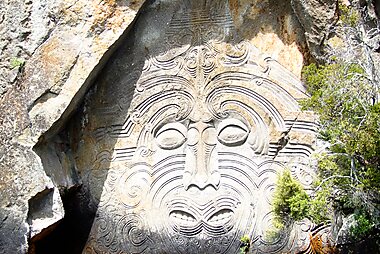
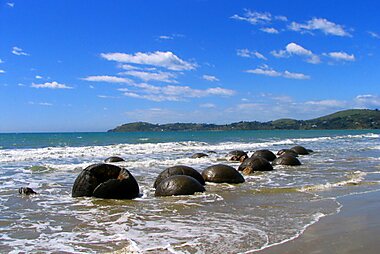
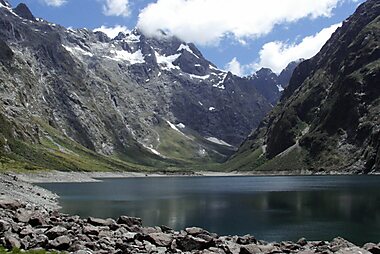
New Zealand is a long, mountainous island nation in the South Pacific, known for dramatic scenery packed into a small area — fjords, glaciers, volcanoes, and beaches are often only a few hours apart. The country splits into two main islands: the North Island holds most of the population and the geothermal country around Rotorua, while the South Island is wilder and less populated, home to the Southern Alps and Fiordland. Māori culture is part of everyday life, from place names to greetings, and shapes much of the country's cultural tourism.
New Zealand suits travelers who like the outdoors — hiking, road trips, and adventure sports are the main draw, rather than museums or nightlife. Distances between sights are large for the population size, so renting a car is the easiest way to see more than one region. The country works well for a two-to-three week trip covering both islands, or a shorter stay focused on just one.




New Zealand – Planning a Trip?
Build your day-by-day itinerary in the Tripomatic app.


Money & payments
Electronic payment covers almost every purchase in New Zealand, including small cafes and market stalls — contactless card or phone payment is the default. Carry a little cash for small towns, campgrounds, and honesty-box roadside stalls that don't take cards. ATMs are common in towns and cities but scarce in remote areas, including much of Fiordland and the West Coast.
Featured Lists


Natural Parks & Reserves
New Zealand's natural landscapes range from the coastal Te Whanganui-A-Hei Marine Reserve on the Coromandel Peninsula to the rugged limestone karst of Paparoa National Park. This selection features the ancient rainforests of the Waitakere Ranges, the extensive river systems and remote wilderness of Whanganui National Park, and the dense podocarp forests of the Catlins. These protected areas preserve unique geological features, such as the Punakaiki pancake rocks, and provide sanctuary for native flora and fauna across both the North and South Islands.
5 places
Spectacular New Zealand Viewpoints
This collection spans New Zealand’s diverse topography, from the layered limestone formations of Pancake Rocks on the West Coast to the southernmost tip of the South Island at Slope Point. It features high-altitude perspectives like Roys Peak overlooking Lake Wānaka, the Christchurch Gondola’s views of the Canterbury Plains, and coastal landmarks including the Nugget Point and Cape Egmont lighthouses. Glacial landscapes are visible from Lake Matheson’s Reflection Island and specialized lookouts near Fox Glacier.
12 places
Tours & Activities
New Zealand — Map

 Open the interactive map
 Tipping
Tipping is not part of New Zealand culture. Hospitality staff earn at least the minimum wage, so a tip is never expected in restaurants, bars, or taxis. Rounding up a fare or leaving a little extra for outstanding service is welcome but unusual. On multi-day guided tours, a small tip for the guide at the end has become more common.
optional, ~10% for exceptional service
round up if you choose to
small tip for multi-day tours
Electricity
New Zealand uses Type I plugs at 230 V / 50 Hz — the same three-pin flat plug used in Australia. Most other visitors will need an adapter.
Language
English, Māori, and New Zealand Sign Language are all official languages. English is what you'll hear and need almost everywhere, including in tourist areas and rural towns. Māori words appear constantly — in greetings, on road signs, and in the official names of parks and landmarks — so a few basics go a long way.
Staying connected
Prepaid SIMs and eSIMs from Spark, One NZ, or 2degrees are sold at airports and in town. An eSIM bought online in advance needs no ID, but a physical SIM bought in-store requires passport registration by law. Coverage is strong in cities and along main highways but drops out in national parks, fiords, and mountain passes — download offline maps before heading into places like Fiordland National Park or Wanaka's backcountry.
Safety & emergencies
New Zealand is a safe country to travel in; violent crime aimed at tourists is rare. The main risks for visitors come from the outdoors — sudden weather changes in the mountains, strong rip currents at beaches, and fatigue from long, winding rural drives. Petty theft from rental cars parked at trailheads is common, so don't leave valuables visible.
Health
Tap water from the municipal supply is safe to drink in cities and towns; treat water from streams or lakes before drinking it on a hike. Pharmacies ("chemists") are common in towns and cities and generally keep standard business hours, with some late-night options in bigger centers; smaller towns may have limited pharmacy access, so carry regular medication with you. No special vaccinations are required for entry.
Visas & entry
Citizens of many countries, including Australia, the United States, and most of the EU, can visit New Zealand visa-free for tourism — up to 90 days for most nationalities, though it varies (UK passport holders, for example, get up to six months). Most visa-waiver nationalities must first apply online for a New Zealand Electronic Travel Authority (NZeTA) before flying; Australians need neither a visa nor an NZeTA. Longer stays or other purposes require an appropriate visa applied for in advance.
Visa and entry requirements change frequently. Verify current requirements with the official immigration authority or your country's embassy before travel.
Etiquette
- Greetings: a handshake is standard; a hongi (pressing noses and foreheads together) may be offered at a formal Māori welcome — follow your host's lead.
- Marae visits: remove your shoes before entering a wharenui (meeting house), and follow any protocol your hosts explain.
- Nature: stay on marked trails, and clean footwear and gear between hikes to avoid spreading plant disease such as kauri dieback.
- Queuing: New Zealanders queue in an orderly line and expect the same in return.
Holidays & opening hours
Public holidays mainly affect transport and tour schedules rather than shopping — most shops stay open as usual. The one exception is Anzac Day morning: trading is legally restricted until 1pm, with a few exemptions such as dairies and pharmacies.
Most shops open daily, with late-night shopping one evening a week in cities. Sunday hours are usually close to weekday hours in tourist areas, though smaller-town shops may close early or stay shut all day.
Getting around
- By air: domestic flights connect main centers and can save hours over driving, for example between Auckland and Queenstown.
- By car: the easiest way to see more than one region — distances are large for the population, and public transport between towns is limited. Roads are often narrow and winding, so allow more time than the map suggests.
- By bus: InterCity coaches connect most towns and are the main option for travelers without a car.
- By train: limited to a few scenic long-distance routes rather than a practical everyday network.
- Inter-island: ferries cross Cook Strait between Wellington and Picton, carrying both cars and foot passengers.
Driving
- New Zealand drives on the left.
- Rental cars are widely available in main cities and airports; manual transmission is still common, so specify automatic when booking if needed.
- Roads outside the main centers are often narrow and winding, and shared with campervans and logging trucks — allow generous travel time between towns.
- One-lane bridges are common in rural areas; give way as indicated by the road signs.
- Parking in city centers is metered; smaller towns are usually free.
Food & drink
New Zealand's food scene mixes British-style comfort food with Pacific and Māori influences, alongside a strong café culture. Breakfast is often a flat white and something from a bakery; lunch might be a meat pie or fish and chips from the local takeaway; dinner leans toward lamb, beef, or fresh seafood, usually grilled or roasted simply.
Traditional Māori hāngī — food slow-cooked in an underground oven — is worth seeking out, especially around Rotorua, where several cultural experiences include a hāngī meal. Whitebait fritters are a seasonal specialty on the West Coast. For something sweet, pavlova — a meringue dessert topped with cream and fruit — is a New Zealand favorite, though Australia also claims it as its own. Hokey pokey ice cream — vanilla with honeycomb toffee — is a local favorite. New Zealand is also known for its wine, particularly Marlborough sauvignon blanc and Central Otago pinot noir.
Where to explore
New Zealand's cities and towns are spread across a long country, so most visitors choose a handful based on the kind of trip they want.
Auckland is the largest city and the main international gateway, with a busy harbor and easy access to nearby islands and beaches. Wellington, the capital, is smaller and known for its arts scene, museums, and hillside houses. Christchurch is the South Island's main gateway city and a base for exploring Canterbury.
For scenery and adventure sports, Queenstown is the country's adventure-tourism hub, close to Wanaka and its lakeside setting. Dunedin, further south, has Victorian architecture and abundant wildlife on the Otago Peninsula.
On the North Island, Rotorua is the center of Māori cultural tourism and geothermal activity, Napier is known for its Art Deco architecture, and Tauranga anchors the Bay of Plenty's beaches. Nelson, at the top of the South Island, is the gateway to Abel Tasman National Park.
New Zealand – Plan Your Trip
Pick the places you want to see and Tripomatic turns them into a day-by-day route, with smart routing, time estimates, and everything you need for a perfect trip.


Related destinations


Data: © OpenStreetMap contributors, Wikidata, Wikipedia, Tripomatic, Official websites, geoBoundaries (CC BY 4.0). Tours by GetYourGuide. We earn commission from bookings. Travel guide generated with AI.