



Norway
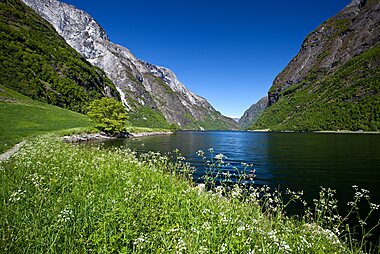
Norway stretches from gentle coastal forests in the south to well beyond the Arctic Circle in the north, packing fjords, mountains, and thousands of islands into a country far longer than it is wide. Its cities are small and easy to explore on foot, but the main draw for most visitors is the landscape outside them: steep-walled fjords like Nærøyfjorden, glaciers, and the midnight sun in summer.
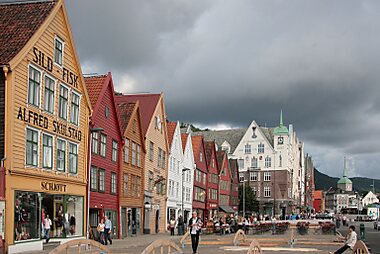
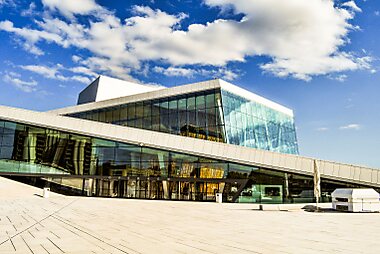
Regional character varies widely. Oslo is a compact, design-focused capital; Bergen and the western fjords draw hikers and cruise passengers; the Arctic north around Tromsø is built around the northern lights and winter activities. Norway suits travelers who enjoy the outdoors and don't mind planning around a high cost of living — it's one of the most expensive countries in Europe to visit.


Norway – Planning a Trip?
Build your day-by-day itinerary in the Tripomatic app.


Money & payments
Norway uses the krone (NOK).
It's one of the most cashless societies anywhere — cards and phone payments work everywhere, and a few places no longer accept cash at all. ATMs are common in cities but scarce in remote fjord villages, so plan around that if you're heading off the beaten path. Food, hotels, and transport all cost noticeably more than the European average.
Featured Lists


Scenic Hikes & Viewpoints
This collection features prominent Norwegian landmarks, from the high-altitude Dalsnibba plateau at 1,500 meters to the 11 hairpin bends of the Trollstigen mountain road. It includes the 182-meter Vøringsfossen waterfall and the Bøyabreen glacier branch in Fjærland. Accommodations range from the remote Sollia wilderness hut in Trollheimen to the rail-accessible Finsehytta on the Hardangervidda plateau. These locations provide strategic vantage points over Geirangerfjord and urban panoramas from Grefsenkollen in Oslo and Turisthytta in Bodø.
13 placesTours & Activities
Norway — Map

 Open the interactive map
 Tipping
Tipping isn't part of Norwegian culture the way it is in North America. Service staff earn a living wage, so a tip is a bonus for good service, never an expectation. Some restaurants add a small service charge already — check the bill before adding more.
round up or 5-10%
round up
round up
not expected
small tip appreciated for private or multi-day tours
Electricity
Norway uses Type C/F plugs at 230V/50Hz — standard European sockets. Most phone and laptop chargers already handle this voltage and work without an adapter.
Language
English is spoken fluently across Norway, including in shops, hotels, and on public transport — even in small towns, people switch comfortably to English. Norwegian itself has two official written forms, Bokmål and Nynorsk, though travelers never need to tell them apart.
Staying connected
Mobile coverage is excellent even in remote fjord and mountain areas, though signal can drop in narrow valleys. Prepaid SIMs and eSIMs from Telenor, Telia, or ice are sold at kiosks, supermarkets, and airport shops with no registration hassle.
Safety & emergencies
Norway is one of the safest countries for travelers. Petty theft is rare, limited mostly to a few crowded tourist spots in Oslo and Bergen. Natural hazards are the bigger concern: sudden weather changes in the mountains, slippery trails at viewpoints such as Trolltunga, and icy roads in winter. Follow posted trail warnings and stay behind safety barriers at cliff edges — falls at popular viewpoints happen most years.
Health
Tap water is safe everywhere and among the best-tasting in the world — refill a bottle instead of buying one. Pharmacies (apotek) are well stocked and easy to find in every town, though opening hours are often shorter than further south in Europe, so plan ahead for prescriptions in rural areas. No special vaccinations are recommended for travel to Norway beyond routine immunizations.
Visas & entry
Norway is part of the Schengen Area but not the EU. Citizens of the EU/EEA, US, UK, Canada, Australia, and many other countries can enter visa-free for short tourist stays — up to 90 days within any 180-day period under Schengen rules. Travelers who need a visa apply for a Schengen visa through a Norwegian embassy or consulate before departure.
Visa and entry requirements change frequently. Verify current requirements with the official immigration authority or your country's embassy before travel.
Etiquette
Norwegians value punctuality and personal space — a firm handshake and first names are normal, even in business settings. Small talk with strangers is less common than in many other cultures, and quiet on buses and trains is the norm, not rudeness.
- Take off your shoes when entering someone's home.
- Allemannsretten (the right to roam) lets anyone hike, forage, and wild-camp on uncultivated land, as long as you keep a reasonable distance from houses and leave no trace.
- Queue politely and wait your turn — queue-jumping is noticed.
- Dress is casual almost everywhere, including most restaurants; there's little need to dress up.
Holidays & opening hours
Public holidays bring many shops and some transport to a stop — Christmas week and 17 May (Constitution Day) especially, when parades fill every town.
Most shops close on Sundays by law, though kiosks, gas stations, and shops in tourist areas stay open. Weekday hours are typically shorter than further south in Europe, often ending by 6-8pm.
Getting around
- By train: The rail network connects the main cities and covers some spectacular scenic routes, including Oslo-Bergen and Oslo-Trondheim, but it doesn't reach the far north or many fjord towns. Book ahead for the best fares at Vy – national rail booking.
- By air: Domestic flights are often the fastest way to cover Norway's length, especially reaching the north (Tromsø, Bodø), and locals use them just as often as visitors do.
- By coastal ferry: The Hurtigruten coastal ferry links ports along the entire western and northern coast, working as transport and a scenic cruise at once.
- By bus: Long-distance coaches fill in the gaps between towns not served by rail, especially in the fjord region.
Driving
- Enforcement: Automatic speed cameras are common and strictly enforced; fines rise sharply the further over the limit you are.
- Key rules: The alcohol limit is a strict 0.02% — effectively zero — so don't drink at all if you're driving. Dipped headlights must stay on at all times, day and night, even in summer. Winter tires are mandatory from mid-fall to spring across most of the country.
- Tolls: Handled automatically by cameras, with no barriers or vignette required. Rental cars are pre-registered, so charges are simply added to your rental bill.
- Low-emission zones: No strict bans like some European cities, but Oslo and Bergen charge congestion tolls on all vehicles entering the city, collected the same automatic way as road tolls.
- Parking: Metered street parking and parking houses are standard in cities, paid by app (EasyPark is the most common) or machine; free parking is common in small towns and rural areas.
- Fuel: Stations are self-service and pay-at-pump by card; look for "Bensin" (petrol) and "Diesel" on the pump.
- Electric vehicles: Norway has the highest EV adoption rate in the world — electric models make up nearly all new car sales — so charging stations are common everywhere, including rural areas.
Food & drink
Norwegian food centers on what the sea and a short growing season provide: salmon, cod, and other seafood appear at nearly every meal, alongside potatoes, root vegetables, and berries in season. Breakfast is often open-faced sandwiches with cheese, cold cuts, or brown cheese; lunch is light, frequently a packed sandwich; dinner, eaten earlier than in southern Europe, is the main hot meal of the day.
Traditional dishes worth trying include fårikål (lamb and cabbage stew), cured or smoked salmon, and — for the adventurous — rakfisk, fermented trout eaten cold in winter. Waffles and cinnamon buns are the classic sweet treats, usually alongside strong coffee; Norwegians drink some of the most coffee per person in the world.
Eating out is expensive, so locals often cook at home or bring packed lunches, saving restaurants for special occasions. Bakeries, food halls, and even gas-station food — surprisingly decent, and open late — fill the gap for travelers on a budget.
Where to explore
Norway's top destinations fall into three rough groups.
The cities: Oslo, the design-forward capital; Bergen, gateway to the western fjords; and Trondheim, home to a medieval cathedral and a lively student population.
The fjord region: Stavanger anchors the south, close to some of the country's best-known hiking viewpoints, while Ålesund is known for its Art Nouveau streets and easy access to the Geiranger fjord.
The Arctic north and islands: Tromsø is the main base for northern lights and winter activities, and the Reine area in the Lofoten Islands draws visitors for dramatic peaks rising straight from the sea. Kristiansand, on the south coast, is a popular summer beach destination for Norwegians themselves.
Norway – Plan Your Trip
Pick the places you want to see and Tripomatic turns them into a day-by-day route, with smart routing, time estimates, and everything you need for a perfect trip.




