



Saint Lucia
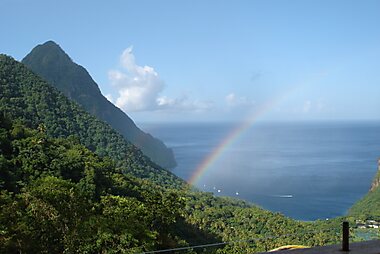
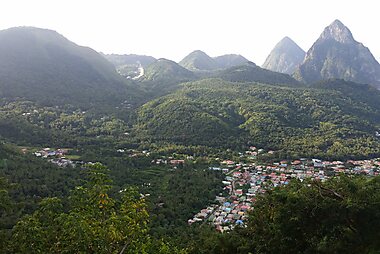
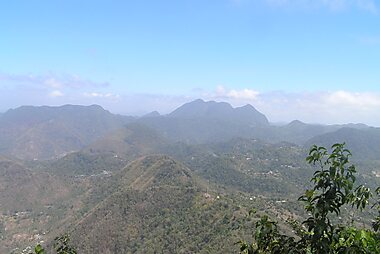
Saint Lucia is a volcanic island in the eastern Caribbean. It is best known for the twin peaks of Gros Piton and Petit Piton, rising straight out of the sea near Soufrière. The island is only 27 miles long, but it packs in rainforest-covered mountains, black- and white-sand beaches, and a UNESCO World Heritage landscape, so a short drive leads to very different scenery.
Saint Lucia suits travelers who want a beach vacation with more to do than sunbathe. You can hike a volcanic peak, soak in the geothermal pools at Sulphur Springs, or spend an evening at a village street party. Resorts cluster around Gros Islet in the north and along the Soufrière coast in the southwest. Castries, the capital, handles most of the shopping and daily business. Centuries as a French and then British colony still show in the mix of Kwéyòl and English spoken across the island.




Saint Lucia – Planning a Trip?
Build your day-by-day itinerary in the Tripomatic app.


Money & payments
The East Caribbean dollar (XCD) is pegged to the US dollar at a fixed rate of about EC$2.70 to US$1. US dollars are accepted almost everywhere, though change usually comes back in EC dollars. ATMs are common in Castries, Gros Islet and other towns, but scarce in rural villages, so withdraw cash before heading into the hills or the far south.
Cards work at hotels, resorts and most restaurants, but keep small bills for minibuses, beach vendors, and stalls like Castries Central Market. A trip built around street food and minibuses costs far less than one built around resort dining and taxis.
Featured Lists

Saint Lucia's Absolute Essentials
Saint Lucia is defined by its dramatic volcanic landscape, anchored by the UNESCO-listed Pitons and the geothermal activity of Sulphur Springs. This collection highlights the island’s highest peak, Mount Gimie, and the historic 18th-century fortifications at Pigeon Island National Landmark. From the mineral-stained face of Diamond Falls to the vibrant stalls of Castries Market, these sites showcase the island's unique blend of colonial history, botanical diversity, and iconic coastal geography.
12 places
Nature's Majestic Wonders
Saint Lucia’s landscape is defined by its dramatic volcanic geology and lush tropical terrain. The island features the UNESCO-listed Pitons, twin volcanic spires rising from the Caribbean Sea, and Mount Gimie, the highest peak at 3,117 feet. Geothermal activity is evident at Qualibou, a dormant caldera containing bubbling mud pools and sulfur springs. Dense rainforests house Diamond Falls, where mineral deposits color the cascading waters, while Sugar Beach provides a vantage point directly between the two iconic peaks.
5 placesTours & Activities
Saint Lucia — Map

 Open the interactive map
 Tipping
Many restaurants and hotels add a 10% service charge to the bill automatically; check before adding anything extra on top. Where no charge is added, tipping around 10% is standard for restaurant staff and taxi drivers.
Tour guides on hiking or boat trips are usually tipped 10-15% for a full day out. At all-inclusive resorts, tipping is often discouraged or already built into the rate, so ask at check-in if you are unsure.
10% (often already added as a service charge)
~10%
US$1-2 per bag or per day for housekeeping
10-15% for a full-day tour
round up
Electricity
Saint Lucia runs on 240 V at 50 Hz with UK-style three-pin Type G sockets. Visitors from North America and much of Continental Europe will need a plug adapter, and some low-power devices may also need a voltage converter.
Language
English is the official language and the one used in tourism, government and on road signs, so visitors rarely face a language barrier. Most Saint Lucians also speak Kwéyòl, a French-based Creole, at home and in daily life. You will hear it constantly in markets and villages and see it on festival banners, but it is not needed to get around.
Staying connected
Prepaid SIM and eSIM plans from Flow and Digicel are available at the airport and in Castries. No special registration paperwork is required beyond a passport. Coverage is strong along the coast and around the resorts, but it can drop out on rainforest hiking trails and in the hills near Soufrière, so download offline maps before a hike.
Safety & emergencies
Saint Lucia is generally safe for tourists, and violent crime rarely targets visitors. The most common problems are opportunistic theft from parked cars, unlocked hotel rooms, and bags left unattended on the beach, so keep valuables out of sight and use the hotel safe. Avoid walking alone on quiet streets or beaches after dark, particularly around Castries.
Persistent vendors and unofficial "guides" sometimes approach visitors near popular sights and beaches; a polite but firm no is usually enough.
Health
Tap water is treated, but its quality varies with heavy rain and aging pipes outside the main towns. Most visitors stick to bottled or filtered water. Pharmacies are found in every town. The larger ones in Castries and Gros Islet keep the longest hours, while smaller village pharmacies often close on Sundays.
No special vaccinations are required for most travelers, though a yellow fever certificate is needed if arriving from a country with risk of the disease. Mosquito repellent is worth packing, especially during the rainy season from June to November.
Visas & entry
Citizens of the US, Canada, the UK, the EU and most Commonwealth countries can enter Saint Lucia without a visa. Stays of up to six weeks are typically allowed. All visitors need a passport valid for the length of their stay, an onward or return ticket, and proof of accommodation.
Travelers who need a visa must apply in advance through a Saint Lucian embassy or consulate; there is no visa on arrival for nationalities that require one.
Visa and entry requirements change frequently. Verify current requirements with the official immigration authority or your country's embassy before travel.
Etiquette
Saint Lucians dress modestly outside beach and resort areas; swimwear belongs at the beach or pool, not on the street or in a church. Cover shoulders and knees when visiting a church.
Greet people with a simple "good morning" or "good afternoon" before asking a question. This applies in a shop, a taxi, or on the street; skipping the greeting is considered rude. Ask before photographing people, especially in villages and markets.
Holidays & opening hours
Public holidays close banks, government offices and many shops, and smaller villages can feel very quiet; restaurants and resorts in tourist areas usually stay open as normal. Most shops in Castries operate Monday to Saturday, with a slower pace and shorter hours on Sundays, when many businesses close entirely.
Getting around
- By minibus: Privately-run minibuses are the cheapest way to get around, running fixed routes between Castries, Gros Islet, Soufrière and other towns. Flag one down anywhere along the route and pay the driver or conductor in cash.
- By taxi: Taxis use fixed, government-set fares between destinations rather than meters, so agree the fare before getting in. Most hotels and resorts can call one for you.
- By water taxi: A small water taxi crosses Marigot Bay's bay, saving a long drive around it.
- By rental car: A rental car gives the most flexibility for reaching beaches and trailheads outside town, though roads through the interior are narrow and winding.
Saint Lucia drives on the left, so visitors from right-hand-traffic countries should take extra care, especially on the island's hairpin mountain roads.
Driving
- Speed limits: The island has no motorways; expect roughly 50 km/h on the open road and as low as 30 km/h through towns and villages, and always follow posted signs, since limits change often on winding sections.
- Roads: The coastal road between Soufrière and Vieux Fort is narrow, steep and full of switchbacks. Drive it slowly, and sound your horn on blind bends, as locals do.
- Documents: Visitors need a valid driving licence and, for most nationalities, a temporary Saint Lucia driving permit, issued on the spot by the rental company or the police for a small fee.
- Parking: Free parking is common outside the largest towns; in Castries, use marked lots rather than leaving valuables visible in the car.
- Fuel: Stations are attended, not self-service, and accept both cash and card.
Food & drink
Saint Lucian food blends French, British, African and East Indian influences into a Creole cuisine built around fresh fish, root vegetables and home-grown spices. The national dish, green fig and saltfish, pairs boiled green bananas with salted cod, and turns up on menus from resort restaurants to roadside stalls.
Street food is a big part of eating out: fried bakes stuffed with saltfish or cheese make a filling breakfast, and Friday nights bring a village-wide fish fry in Anse la Raye and a street party with grilled food and music in Gros Islet. Look for roadside stands selling saltfish fritters, coconut sweets and fresh-cut coconuts.
Rum is the island's signature drink, distilled locally and often mixed into a rum punch, alongside the home-brewed Piton lager. For something non-alcoholic, try cocoa tea, made from the island's own cocoa.
Where to explore
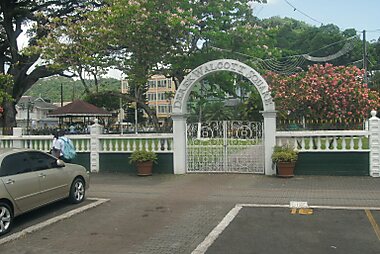
Castries, the capital, is the island's commercial hub: the cruise port, the historic Castries Central Market and Derek Walcott Square are all there. Just north, Gros Islet covers the Rodney Bay resort strip, the sandy Reduit Beach, and the historic Pigeon Island National Landmark.
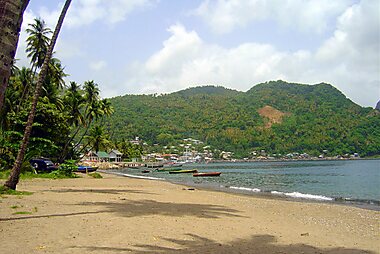
In the southwest, Soufrière is the gateway to Gros Piton and Petit Piton, the geothermal Sulphur Springs, the botanical gardens at Diamond Botanical Garden, and the reef-fringed Anse Chastanet Beach. The fishing village of Marigot Bay sits on one of the Caribbean's most sheltered natural harbors.
Further south, Vieux Fort is home to the international airport and the Moule-à-Chique Lighthouse, at the island's southern tip. The west-coast village of Anse la Raye is known for its Friday fish fry, and Choiseul for its pottery and woodcarving. On the Atlantic coast, Dennery is a starting point for rainforest hikes, while Micoud and Laborie in the southeast see far fewer tourists.


Saint Lucia – Plan Your Days
Turn the places from this guide into a real itinerary, with smart routing, time estimates, and everything you need for a perfect trip.


Related destinations


Data: © OpenStreetMap contributors, Wikidata, Wikipedia, Tripomatic, Official websites, geoBoundaries (CC BY 4.0). Tours by GetYourGuide. We earn commission from bookings. Travel guide generated with AI.