


Castries
Castries is the capital of Saint Lucia and its busiest town. It sits around a deep, sheltered harbour where cruise ships dock right next to the centre. Most visitors come for a day of markets, colonial-era streets and harbour views, then return to a beach resort. The town itself is small and hot, with a Creole character in its food, music and street life.
The wider Castries quarter reaches well beyond the town. It takes in the hilltop forts of Morne Fortune, the beaches around Vigie, and the famous bay at Marigot. Two Nobel Prize winners were born in Castries: the poet Derek Walcott and the economist Sir Arthur Lewis.

Castries – Planning a Trip?
Build your day-by-day itinerary in the Tripomatic app.


When to visit
Castries is hot and humid all year, with warm sea water in every month. The drier season runs from about December to May, and February and March are usually the most pleasant months. June to November is wetter and more humid, and it is also the Atlantic hurricane season. Rain often comes in short, heavy showers.
The biggest event is Saint Lucia Carnival in July, when costumed bands and soca music fill the streets of Castries. Hotels fill up fast, so book early if you want to join in.
Top sights
Castries Market is the main market in the town centre. Its historic iron market hall dates from the 1890s, and hundreds of vendors sell fruit, spices, crafts and cheap Creole lunches. Saturday morning is the busiest and best time to go.
Derek Walcott Square is the central square. It was renamed in 1993 after the Nobel Prize–winning poet, and the cathedral and the city library stand on its sides.
Minor Basilica of the Immaculate Conception stands on the edge of the square. It is one of the largest churches in the Caribbean, and its interior is covered in colourful murals by Saint Lucian artist Dunstan St Omer.
Fort Charlotte stands on the hill of Morne Fortune above town. France and Britain fought over this hill many times, and some of its old military buildings now house a college. Come for the wide view over the harbour and the coast.
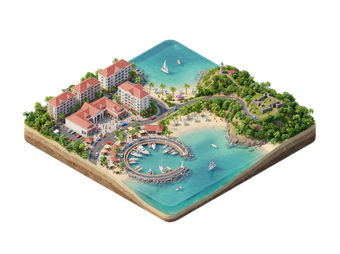
Marigot Bay Viewpoint looks down on Marigot Bay, a deep, sheltered inlet about 20 minutes' drive south of Castries. Yachts anchor between steep green hills and a strip of palm-lined sand.
Featured Lists

What to experience
A visit to Castries is best when you join in with local life.
- Saturday market morning: Arrive early at Castries Market, when farmers bring in produce from the hills. Try cocoa sticks, local spices and fresh juice.
- Friday night street party: Take a taxi north to Gros Islet for the weekly "jump-up", with music, dancing and grilled fish and chicken on the street.
- Creole Day: On Jounen Kwéyòl, at the end of October, people wear national dress and towns hold food, music and storytelling events in Kwéyòl.
- Rainforest walk: Forestry Department guides lead walks on the Barre de l'Isle trail and in the Millet Bird Sanctuary, where you may see the rare Saint Lucia parrot. Arrange a guide in advance.
Tours & Activities
Castries — Map

 Open the interactive map
Day trips
The north and southwest of the island are easy day trips from Castries.
- Rodney Bay – about 20–30 minutes north by minibus or taxi. It has the island's main marina, restaurants and Reduit Beach, a long sandy beach with calm water.
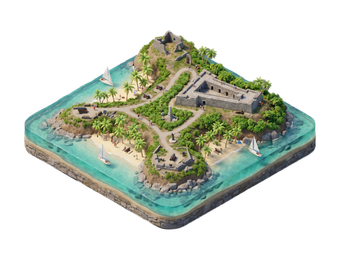
- Pigeon Island – about 30 minutes north, beyond Rodney Bay. Walk up to the ruins of Fort Rodney for views to Martinique, then swim at the small beaches.
- Anse La Raye – about 30–40 minutes south by road. This fishing village holds a well-known street fish fry on Friday nights.
- Soufrière – about 1–1.5 hours south by road, or faster by boat. It is the gateway to the Pitons, the Sulphur Springs volcanic area and botanical gardens with a waterfall. Many boat tours from Castries and Rodney Bay combine it with snorkelling stops.
Where to explore
Inside the Castries quarter, Marigot is a small village on its famous bay, and Babonneau Proper is a quiet hill community inland.
Heading north, Gros Islet holds the island's main resort strip and the Friday night street party. To the south, Soufrière is the base for the Pitons, and Vieux Fort is the home of the international airport. On the Atlantic side, Dennery is a starting point for rainforest hikes.
Getting there
- By air (international): Long-haul jets from North America and the UK land at Hewanorra International Airport (UVF) near Vieux Fort, at the far south of the island. The drive to Castries takes about 1–1.5 hours by taxi or pre-booked transfer.
- By air (regional): George F. L. Charles Airport (SLU) at Vigie is only about 2 km from the centre. It handles smaller planes from nearby islands such as Barbados, Antigua and Martinique.
- By ferry: A fast ferry links Castries with Fort-de-France in Martinique several times a week. The crossing takes about 1.5 hours.
- By cruise ship: Most ships dock at Pointe Seraphine on the north side of the harbour, a short taxi ride or walk from the market.
Getting around
- Minibus: Private minibuses with green "M" number plates run fixed routes from the centre. Buses north to Gros Islet leave from Jeremie Street near the market, and buses south from Bridge Street. Pay the driver or conductor in cash, in EC dollars. Few buses run at night and on Sundays.
- Taxi: Taxis have no meters. Fares between common points are set by the government, so agree the price before you get in and ask whether it is in EC or US dollars.
- On foot: The town centre is compact and easy to walk by day. Morne Fortune is a steep climb, so take a taxi up. Cycling is not practical on the busy, hilly roads.
Driving
- Is a car worth it?: Not for the town itself, where traffic is heavy and parking is tight. A car is useful if you want to explore beaches and trailheads around the island at your own pace.
- Driving side: Saint Lucia drives on the left. Roads outside town are narrow, steep and full of sharp bends.
- Permit: Most visitors need a temporary local driving permit. Rental companies can issue it when you collect the car.
- Parking: Use marked car parks in the centre and on Morne Fortune. Do not leave valuables in view.
Food & drink
Castries is a good place to eat cheap, home-style Creole food. Look for green fig and saltfish, bouyon, callaloo soup and fried bakes, often with fresh juice or cocoa tea.
The best area is the Vendors' Arcade and the food stalls around Castries Market, where small kitchens serve plate lunches at local prices. In the evening, most sit-down restaurants are in Rodney Bay to the north or along the Vigie and La Toc coast. Many restaurants add a 10% service charge, so check the bill before you tip.
Safety & health
Most visits to Castries are trouble-free, but Saint Lucia has a serious problem with gun crime, mostly gang-related. Petty theft is the main risk for visitors.
- Keep valuables out of sight and use the hotel safe. Never leave drinks unattended.
- The centre is busy by day but quiet after dark. Take a taxi at night instead of walking.
- Avoid isolated beaches after dark.
- Use licensed taxis and agree the fare first.
- Street vendors and unofficial guides sometimes approach visitors in busy tourist areas. A firm "no, thank you" is usually enough.
- Strong currents occur on some beaches, and many have no lifeguards.
Most visitors drink bottled or filtered water.
History
The French founded a settlement here in 1650 and called it Carénage, meaning "safe anchorage". It was later renamed after the Marquis de Castries, a French naval minister. Saint Lucia changed hands between France and Britain many times. Much of the fighting happened on the hill above town, where Fort Charlotte still looks over the harbour. British troops captured the fort in 1796, and a monument there honours the Inniskilling Regiment, which fought in the battle.
Castries burned several times, worst of all in the great fire of 1948. That is why the centre has few very old buildings. Some older buildings survive around Derek Walcott Square, including the 1890s Minor Basilica of the Immaculate Conception. Saint Lucia gained independence from Britain in 1979, with Castries as its capital.
Country facts
Quick practical facts for Saint Lucia at a glance:
- Currency
- East Caribbean Dollar XCD EC$ · Card payments · Widely accepted
- Electricity
- 240 V · 50 HzType G
- Languages
- English
- Tap water
- Drink with caution
- Driving side
- Left
- Calling code
- +1758


Castries – Plan Your Days
Turn the places from this guide into a real itinerary, with smart routing, time estimates, and everything you need for a perfect trip.


Related destinations






Data: © OpenStreetMap contributors, Wikidata, Wikipedia, Tripomatic, Official websites, geoBoundaries (CC BY 4.0). Tours by GetYourGuide. We earn commission from bookings. Travel guide generated with AI.